

No products in the cart.


Exploring historically accurate light switch designs allows you to appreciate the evolution of electrical control throughout different eras.
Each design, from Victorian push button switches to mid-century modern rocker switches, tells a unique story of its time through its aesthetics and craftsmanship.
Materials like polished brass and Bakelite not only enhance durability but also underscore authenticity.
As you examine these designs, consider how they contribute to the historical charm of any space.
What’s your favourite era?
Key Takeaways
- Deco Era Rotary Switches showcase art deco elegance with polished metals and intricate patterns.
- Victorian Push Button Switches emphasise ornamental complexity with porcelain or brass dual-button mechanisms.
- Edwardian Toggle Switches feature sleek lines and durable brass or nickel finishes for understated elegance.
- Art Nouveau Lever Switches incorporate flowing lines and organic motifs with lever functionality.
- Georgian Period Pull Cord Switches blend functionality and refinement using brass and subtle engravings.
Deco Era Rotary Switches

When you think of Deco Era rotary switches, envision the intersection of form and function, where art deco’s geometric elegance meets practical innovation. These switches embody deco switch functionality through their smooth rotation mechanism, allowing for precise control of electrical circuits. Their design is not merely aesthetic; it’s a reflection of the era’s commitment to marrying beauty with utility.
Materials play a critical role in their allure. Deco switch materials often include polished metals, Bakelite, and glass, each chosen for durability and visual appeal. The intricate patterns etched into these materials reflect the era’s penchant for symmetry and bold lines. As you examine these switches, appreciate how they stand as icons of a time when technology and artistry walked hand in hand.
Victorian Push Button Switches
While the deco era rotary switches celebrated the union of geometric elegance and functionality, Victorian push button switches offer a different narrative of ornamental complexity and innovation. These switches embody the Victorian design ethos, characterised by intricate patterns and embellishments. As you examine them, notice the attention to detail and craftsmanship that define their historical significance. Emerging during the late 19th century, these switches reflect a time when electricity was a marvel and homes displayed technological advancements with pride.
Victorian push button switches typically feature porcelain or brass plates, and their dual-button mechanism allows for seamless operation. This design choice not only highlights the era’s technological progress but also its appreciation for aesthetics. Incorporating such switches in modern settings pays homage to a bygone era’s inventive spirit.
Edwardian Toggle Switches

Stepping into the Edwardian era, toggle switches mark a distinct evolution in electrical design with their understated elegance and practical functionality. You’ll notice these switches embrace Edwardian aesthetics, characterised by sleek lines and subtle detailing that reflect the period’s refined taste. Unlike their Victorian predecessors, Edwardian toggle switches simplify operation with a straightforward lever mechanism, embodying vintage functionality without sacrificing style.
These switches often feature brass or nickel finishes, enhancing their sophisticated appearance whilst ensuring durability. Their design aligns with the era’s focus on modernity and efficiency, making them a perfect fit for homes of that period. When integrating Edwardian toggle switches into your space, you’re not just adding a light switch; you’re incorporating a piece of history that marries form and function seamlessly.
Art Nouveau Lever Switches
Art Nouveau lever switches epitomise the marriage of artistic expression and functionality, capturing the essence of a movement that revered natural forms and intricate detailing. When you examine these switches, you’ll notice their flowing lines and organic motifs, reflecting art nouveau aesthetics. They often feature floral patterns or vine-like structures, which not only serve as visual elements but also integrate seamlessly with the lever switch functionality.
Mid-Century Modern Rocker Switches

In the domain of mid-century modern design, rocker switches stand out as a tribute to the era’s emphasis on simplicity and functionality. You’ll find that these switches embody the streamlined forms and practical elements characteristic of mid-century modernism. Their smooth, flat surfaces enhance switch aesthetics, making them both practical and visually appealing. These switches are not just about turning the lights on and off; they’re about complementing the clean lines and uncluttered spaces of the time.
- Design: Clean lines and minimal embellishments.
- Material: Often crafted from durable plastics or metals.
- Functionality: Easy to operate with a simple rocking motion.
- Integration: Seamlessly fits into mid-century modern interiors.
Early 20th Century Knife Switches
A hallmark of early 20th-century electrical innovation, knife switches represent an era of bold engineering and tactile operation. You’ll find these switches exude historical design significance with their robust, open-construction style. Unlike modern switches, a knife switch functionality involves manually pivoting a metal lever between two contacts, allowing you to feel the electrical connection being made or broken. This design choice was as much about practicality as it was about visibility and control, offering a clear visual indication of the circuit’s status.
When examining their construction, note how materials like brass and porcelain were used. These materials provided durability and a certain aesthetic appeal that signified industrial progress. Such switches weren’t just functional; they were symbols of technological advancement, reflecting an age where form followed function.
Colonial Revival Turn Switches

Exploring Colonial Revival turn switches reveals a fascinating blend of historical aesthetics and functional design that captured the imagination of early 20th-century homeowners. These switches, inspired by colonial aesthetics, offered a nostalgic nod to simpler times while incorporating the era’s technological advances. Their appeal lay in their historical functionality, where design met utility seamlessly.
- Materials: Often crafted from brass or porcelain, they exuded durability and elegance.
- Design: Featured intricate detailing reminiscent of colonial architecture, enhancing any interior’s visual appeal.
- Operation: The tactile turn mechanism provided a satisfying interaction, bridging past and present.
- Integration: Easily integrated into existing infrastructure, they balanced heritage with modern living.
Arts and Crafts Style Rotary Switches
When exploring Arts and Crafts style rotary switches, you’ll notice the intricate handcrafted metal detailing that reflects the movement’s emphasis on craftsmanship. The use of ceramic and porcelain knobs not only provides a tactile experience but also enhances the vintage aesthetic appeal, creating a harmonious blend of form and function. These switches aren’t just functional elements; they’re a symbol of the era’s dedication to artistry and quality in everyday objects.
Handcrafted Metal Detailing
When delving into the intricate world of handcrafted metal detailing in Arts and Crafts style rotary switches, you’ll discover the unique blend of artistry and functionality that defines this era. The handcrafted artistry is evident in every curve and contour, showcasing expert metal craftsmanship. This design approach prioritises both aesthetics and practicality, seamlessly integrating into historical interiors.
- Material selection: Craftsmen often use brass or copper, chosen for their durability and patina potential.
- Design motifs: Expect to see geometric patterns and nature-inspired elements, reflecting the movement’s ethos.
- Construction techniques: Hand-forged and riveted components highlight the artisan’s skill and dedication.
- Finish options: Options range from polished to antiqued, each bringing its own character to the room.
These switches aren’t just functional; they’re a reflection of timeless design principles.
Ceramic and Porcelain Knobs
Turning our attention from the metal detailing to the ceramic and porcelain knobs of Arts and Crafts style rotary switches, one finds an equally enchanting blend of artistry and utility. Ceramic designs from this era often feature intricate patterns that reflect the hand-crafted ethos of the movement. These knobs aren’t just functional; they embody meticulous craftsmanship that adds character to any space. Porcelain finishes provide a glossy, durable surface that resists wear, making them as practical as they are beautiful. The choice of ceramic and porcelain materials reveals an understanding of both aesthetics and longevity. By opting for these historically accurate knobs, you’re embracing a design philosophy that values both form and function, enhancing your home’s authenticity and charm.
Vintage Aesthetic Appeal
If you’re seeking to enhance your space with a touch of historical elegance, Arts and Crafts style rotary switches offer a vintage aesthetic that captures the essence of timeless design. These switches embody the retro design influences of the early 20th century, merging function with artistic form. The use of vintage colour palettes in their design enhances their ability to blend seamlessly into period-specific interiors.
Consider these key features:
- Material Choice: Crafted from brass and ceramic, adding both durability and charm.
- Design Details: Intricate patterns and textures that reflect the craftsmanship of the era.
- Functional Art: Each switch is not only practical but also a statement piece.
- Versatility: Complements a variety of historic decor styles, from Mission to Tudor revival.
These switches offer a sophisticated nod to the past.
Georgian Period Pull Cord Switches
The elegance of Georgian period pull cord switches reflects the era’s distinct blend of functionality and refinement. You’ll find that these switches exemplify Georgian architecture’s focus on symmetry and proportion, seamlessly integrating into the aesthetic of the time. Crafted with meticulous attention to detail, they showcase period craftsmanship that prioritises quality and durability. The materials used, often brass or other metals, were chosen not just for their strength but also for their ability to be polished to a high sheen, enhancing their decorative appeal.
When you examine these switches, notice the subtle engravings and the precision with which they’re assembled. They weren’t merely functional; they were crafted to complement the grand interiors of Georgian homes, echoing a commitment to both utility and elegance.
Industrial Revolution Toggle Switches

As you explore the Industrial Revolution‘s impact on toggle switches, consider how the evolution of the toggle mechanism reflects broader technological advancements of the era. Manufacturers began using materials like brass and porcelain, which not only improved durability but also added a distinct aesthetic appeal. These choices in materials and design were driven by both functional needs and the era’s emerging emphasis on industrial elegance.
Evolution of Toggle Mechanism
During the Industrial Revolution, the evolution of the toggle switch mechanism marked a pivotal advancement in electrical engineering. You witnessed the birth of historical mechanisms that transformed how electricity was controlled and distributed. The toggle evolution enhanced operational efficiency and safety, making it fundamental to burgeoning industrial environments. As you consider the context, note these key aspects:
- Mechanics: The lever-action design simplified user interaction, allowing quick on/off functionality.
- Safety: Innovations in the toggle switch reduced electrical hazards, vital in a time of rapid technological growth.
- Reliability: These switches offered durability and consistent performance, essential for industrial applications.
- Integration: The toggle switch became a standard in electrical systems, influencing future switch designs.
Understanding these elements offers insight into the significant role toggle switches played in shaping modern electrical infrastructure.
Materials and Aesthetics Choices
Materials played an indispensable role in the development of toggle switches during the Industrial Revolution, reflecting both functional and aesthetic considerations of the era. You would notice that sustainable materials, like brass and copper, were favoured for their durability and conductivity. These metals not only enhanced performance but also aligned with the industrial aesthetic, characterised by robust, utilitarian designs.
Additionally, vintage finishes such as aged patinas became popular, offering an appealing blend of sophistication and practicality. These finishes provided a unique charm, enhancing the visual appeal while concealing wear over time. Designers balanced aesthetics with functionality, ensuring switches were not just practical but also visually integrated into industrial interiors. This approach created harmonious environments where innovation met timeless design principles.
Frequently Asked Questions
What Materials Were Commonly Used in Early Light Switch Designs?
You have probably wondered what materials early light switch designs used. In the past, Bakelite switches were highly popular due to their durability and resistance to electricity. Porcelain knobs offered excellent insulation, making them a common choice. Brass plates provided a sleek, shiny finish and were often used for decorative purposes. Wooden casings added a touch of elegance and warmth, showcasing craftsmanship. These materials combined functionality with aesthetic appeal in early electrical designs.
How Did Safety Standards Evolve for Historical Light Switches?
You’ve probably wondered how safety standards for light switches evolved over time. Initially, there weren’t strict regulations, which led to numerous hazards. As technology advanced, safety regulations and electrical codes became more stringent. They introduced guidelines to prevent electrical shocks and fires. Over the years, these standards have continued to develop, ensuring that light switches are both safe and efficient. This evolution reflects society’s growing emphasis on safety and innovation.
Were Historical Light Switches Customizable for Different Decor Styles?
When considering whether historical light switches were customisable for different décor styles, you’ll find they indeed offered custom switch options. Manufacturers provided decorative plate variations to match various interior aesthetics. You could choose from materials like brass, porcelain, or wood, each having its unique appeal. These options allowed you to align the switches with specific architectural themes, ensuring that functionality met style harmoniously within historical constraints and design preferences.
How Did Historical Light Switch Designs Influence Modern Designs?
When you explore how historical light switch designs influenced modern designs, you’ll notice the impact of vintage aesthetics on today’s choices. Designers harness the charm of traditional styles, blending them with contemporary needs. This design evolution preserves the ornate details and craftsmanship of the past, whilst integrating modern technology. By embracing these classic influences, you create spaces that respect history, yet remain functional and stylish in the present.
What Were Common Installation Challenges With Early Light Switches?
When dealing with early light switches, you’d encounter wiring difficulties due to the primitive insulation materials that often caused short circuits. Mounting issues were also prevalent since walls weren’t always uniform, making it tricky to align switch plates properly. Installers had to carefully navigate these challenges, ensuring safety and functionality. You’d need a keen eye for detail and problem-solving skills to overcome these installation hurdles effectively.


Related posts
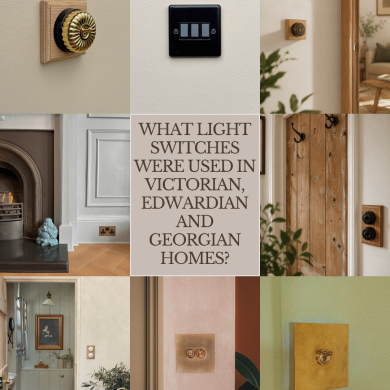
When restoring a period property, it is often the smaller details that make the biggest difference. Light switches and sockets might seem insignificant compared with... Continue reading
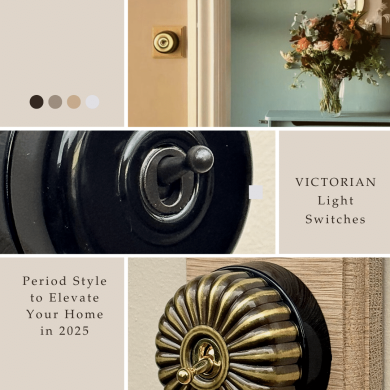
In the world of interior design, it’s often the smallest details that make the greatest impact. One such detail (humble yet transformative) is the light... Continue reading
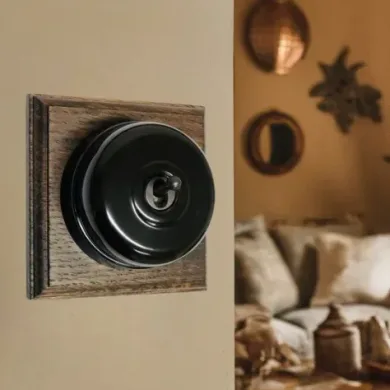
Did you catch our latest article? We've explored how the light switch has evolved over the years, from candlelight to the very first electric light,... Continue reading

Uncover the truth behind light switch designs: are they genuine echoes of the past or mere imitations? Discover the secrets now. Continue reading

Perfecting vintage light switch reproductions involves meticulous material selection, craftsmanship, and safety compliance—what's the secret to capturing their timeless allure? Continue reading
