

No products in the cart.


When considering whether light switch designs are truly historically accurate, several factors must be weighed.
While some modern replicas capture the essence of past styles using materials like brass or Bakelite, others cut corners, prioritising cost over authenticity.
Scarcity of original materials and regulatory constraints further complicate replication efforts. This makes it essential to examine craftsmanship and sourcing claims.
Are these switches genuine echoes of the past, or mere imitations?
Key Takeaways
- Authentic replicas use period materials like brass and Bakelite to ensure historical accuracy.
- Skilled craftsmanship is crucial for precise reproduction of original designs.
- Regulatory constraints may require modifications, affecting historical fidelity.
- Evaluation of period-specific design motifs helps verify historical accuracy.
- Sourcing rare components can limit authenticity and increase costs.
Evolution of Electrical Switch Designs Over the Decades

Although light switches are often overlooked, their designs have evolved considerably over the decades, reflecting technological advancements and changing aesthetic preferences. In the early 20th century, switch technology was primarily focused on functionality, with toggle switches dominating due to their simplicity and reliability. As electrical systems improved, rotary and push-button designs emerged, influenced by Art Deco aesthetics and the growing desire for stylistic variation. By the mid-century, designers began integrating plastic and other new materials, making switches more versatile and affordable. The rise of minimalism in the late 20th century led to sleeker, more discreet designs, showing how design influences shift with cultural trends. Each decade’s switches provide a snapshot of the era’s technological and aesthetic priorities, underscoring their historical significance.
Common Misconceptions About Vintage Light Switch Styles
While the evolution of light switch designs paints a vivid picture of technological and aesthetic shifts, misconceptions about vintage styles often muddle our understanding of their true significance. You might think all vintage aesthetics revolved around ornate designs, but many switches were actually simple and utilitarian. The materials used also varied greatly.
| Misconception | Reality |
|---|---|
| All designs were ornate | Many were simple and plain |
| Only brass was used | Porcelain and Bakelite common |
| Limited to toggles | Push-button styles existed |
| Uniform across eras | Varied by decade and region |
Switch materials like porcelain and Bakelite were prevalent, contrary to the belief that only brass was used. And while toggle switches are iconic, push-button styles were also popular. Understanding these nuances enriches your appreciation of true vintage aesthetics.
Key Features of Authentic Period Switch Replicas

Some might not realise how vital authenticity is when selecting period switch replicas. You need to take into account period materials and design motifs to guarantee a faithful reproduction. Genuine replicas often use materials like brass, porcelain, or Bakelite, reflecting the technology and availability of the original era. These materials not only replicate the aesthetic but also provide historical accuracy. Design motifs are equally important, as they capture the cultural and stylistic elements of the time. For example, Art Deco switches might feature geometric patterns, while Victorian versions could display ornate, intricate designs. By focusing on these key features, you maintain the integrity of the historical period, making sure that the light switch is not just functional, but also an authentic piece of history.
Challenges in Reproducing Historical Light Switch Designs
Reproducing historical light switch designs presents several challenges, primarily due to the scarcity of original materials and the need for precise craftsmanship. You’ll find that achieving material authenticity requires sourcing rare components, which can be both costly and time-consuming. Trying to overcome design limitations without compromising historical integrity adds complexity. Let’s break down the challenges:
- Material Scarcity: Original materials are hard to find and replicate, impacting the authenticity of the final product.
- Craftsmanship Precision: Mastering the intricate details of historic designs demands skilled artisanship, which isn’t always readily available.
- Regulatory Constraints: Modern safety standards sometimes conflict with historical designs, necessitating creative solutions to maintain both safety and authenticity.
These aspects illustrate the intricate process of faithfully reproducing historical light switch designs.
Evaluating the Historical Accuracy of Modern Light Switch Replicas

Achieving the delicate balance between historical accuracy and modern practicality in light switch replicas requires a meticulous evaluation process. You must analyse replica materials, ensuring they reflect those originally used while meeting contemporary safety standards. This involves comparing metal alloys, ceramic components, and the authenticity of finishes. By examining these elements, you establish a foundation for historical fidelity.
Consider the aesthetic influences that shape the design. Victorian-era switches, for example, often featured intricate details that may influence modern interpretations. You should study period-specific styles, evaluating how modern replicas capture these nuances. Evidence shows that while some manufacturers aim for authenticity, others prioritise cost-effectiveness, potentially compromising accuracy. Ultimately, scrutinising these factors helps you determine the true extent of historical accuracy in modern light switch replicas.
Frequently Asked Questions
How Did Cultural Trends Influence Light Switch Designs Through History?
Cultural trends have always influenced light switch designs throughout history. You will notice how cultural symbolism and design aesthetics merge, reflecting societal values. In the Art Deco era, switches featured geometric patterns, showcasing opulence. Mid-century modernism embraced simplicity, mirroring post-war optimism. Today, smart designs symbolise technological advancement and eco-consciousness. Each era’s aesthetic choices provide evidence of how deeply culture shapes function, offering a contextual understanding of evolving preferences.
What Role Did Patents Play in the Evolution of Light Switch Designs?
You are exploring the role patents played in the evolution of light switch designs. Patents had a significant impact by fostering innovation and protecting inventors’ rights. They encouraged designers to create unique mechanisms and aesthetics, driving competition and technological advancement. Evidence shows that patented designs led to diverse, user-friendly switches. By analysing patent records, you will see how these legal protections spurred creativity, shaping the modern light switch landscape we understand today.
Were There Regional Variations in Historical Light Switch Designs?
You might wonder about regional differences in historical light switch designs. Indeed, design evolution shows significant variations across regions. In Europe, ornate switches reflected Art Nouveau and Art Deco styles, while in America, functionality took precedence with simpler designs. Evidence suggests that local materials and cultural preferences heavily influenced these differences. By examining patents and historical records, you can trace how regional needs and aesthetics shaped the distinctive evolution of light switch designs.
How Did Technological Advancements Impact the Functionality of Historical Light Switches?
You observe how electrical innovations transformed light switch mechanisms over time. Initially, switches were simple, often featuring basic toggle designs. As technology advanced, more sophisticated mechanisms like dimmers and remote controls emerged, enhancing functionality. You would notice that these advancements improved ease of use and energy efficiency. Evidence shows that as electricity became more integrated into daily life, switch designs evolved to meet new demands, reflecting broader technological progress.
What Materials Were Traditionally Used in Making Vintage Light Switches?
When you examine vintage light switches, you’ll notice that wooden switches and ceramic materials played essential roles. Historically, these materials were chosen for their durability and insulating properties. Wood offered an aesthetically pleasing finish, whilst ceramic provided excellent electrical resistance. Your exploration of these materials reveals a blend of function and design, evidencing a careful consideration of safety and style in historical contexts, reflecting the technological limitations and craftsmanship of the era.


Related posts
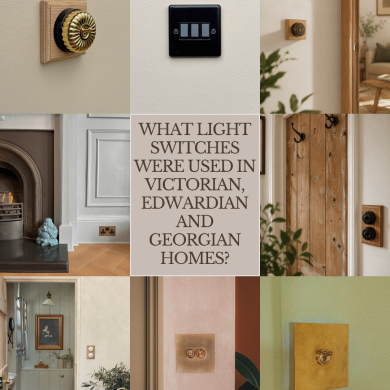
When restoring a period property, it is often the smaller details that make the biggest difference. Light switches and sockets might seem insignificant compared with... Continue reading
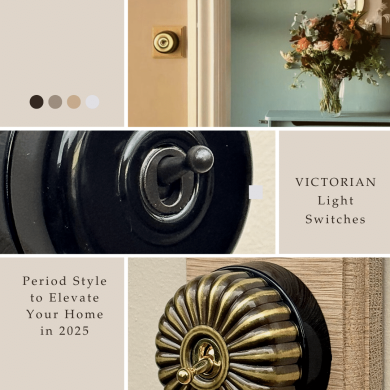
In the world of interior design, it’s often the smallest details that make the greatest impact. One such detail (humble yet transformative) is the light... Continue reading
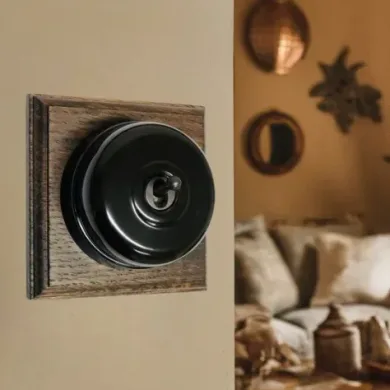
Did you catch our latest article? We've explored how the light switch has evolved over the years, from candlelight to the very first electric light,... Continue reading

Perfecting vintage light switch reproductions involves meticulous material selection, craftsmanship, and safety compliance—what's the secret to capturing their timeless allure? Continue reading

Discover how to blend historical charm with modern safety in period-accurate light switch designs, ensuring both authenticity and functionality. Ready to explore the details? Continue reading
