

No products in the cart.


To faithfully reproduce vintage light switches, you must immerse yourself in their historical context and design evolution.
Focus on selecting authentic materials like Bakelite and porcelain to guarantee accuracy.
Employ skilled craftsmanship to replicate intricate patterns, whilst colour matching and finish details maintain their aesthetic integrity.
Consider modern safety standards to blend old-world charm with contemporary requirements.
Engage with restoration experts to validate authenticity.
What’s the next step in achieving a perfect reproduction?
Key Takeaways
- Utilise authentic materials like Bakelite, porcelain, and brass for historical accuracy in reproductions.
- Employ traditional craftsmanship techniques to replicate intricate details and ensure authenticity.
- Match colours and finishes precisely, simulating natural ageing for historical aesthetics.
- Integrate modern safety standards whilst maintaining the original design’s functional integrity.
- Collaborate with restoration experts and use archival resources for accurate historical references.
Understanding Historical Context and Design Evolution

When delving into the historical context and design evolution of vintage light switches, it is crucial to recognise how they reflect broader technological and aesthetic trends of their times. These switches are more than mere functional objects; they encapsulate the historical significance of the periods they were crafted in. During the early 20th century, design influences from Art Deco and Bauhaus movements shaped the streamlined, geometric forms of light switches. As you explore these designs, notice how they echo the era’s quest for modernity and simplicity. The integration of intricate details, such as ornate patterns and innovative mechanisms, highlights the designers’ attempts to marry functionality with style. Recognising these influences helps you appreciate the switches’ roles as cultural artefacts.
Material Selection for Authenticity
To guarantee authenticity in reproducing vintage light switches, selecting the right materials is paramount. You must consider vintage materials like Bakelite, porcelain, and brass, which were commonly used in original designs. Each material affects the switch’s tactile experience and visual appeal, essential authenticity factors. Bakelite offers a distinctive look and feel, while porcelain provides durability and an elegant finish. Brass elements add a touch of vintage charm and robustness. Evaluate the historical accuracy of these materials in relation to the era you’re replicating. Consider their availability and quality today, ensuring they meet modern standards without compromising authenticity. By prioritising these factors, you’ll maintain the integrity of the original pieces, creating reproductions that genuinely reflect the past’s aesthetic and functional standards.
Craftsmanship Techniques in Reproduction

While authenticity in vintage light switch reproductions relies on material selection, craftsmanship techniques play an equally important role. You must explore traditional craftsmanship styles, understanding the nuances that defined the original designs. This involves meticulous attention to detail, ensuring each switch captures the intricate patterns and textures of its historical counterpart. Reproduction methods aren’t just about copying; they’re about reviving the artisan’s touch, blending age-old techniques with modern precision. You would need to employ skilled artisans familiar with hand-casting, metal forging, and detailed engraving. These methods ensure that each piece is not just a functional replica but a faithful tribute to its vintage origins. By focusing on these techniques, you make certain the reproductions resonate with authenticity and craftsmanship excellence.
Color Matching and Finish Details
As you focus on craftsmanship techniques, it’s important to also consider the role of colour matching and finish details in creating authentic vintage light switch reproductions. Achieving colour accuracy is essential. You need to replicate the specific hues found in older designs, ensuring they align with historical aesthetics. Finish replication also requires attention to detail—whether it’s a glossy enamel or a matte patina, each surface must mimic the original texture and sheen.
Consider these factors:
- Material Compatibility: Verify that modern materials can still achieve vintage colour accuracy and finish replication.
- Aging Process: Simulate the natural ageing process to add authenticity.
- Sample Comparisons: Regularly compare your reproductions with original samples for colour and finish accuracy.
These elements ensure your reproductions are true to history.
Modern Safety Standards and Compliance

Navigating the landscape of modern safety standards and compliance is essential when crafting vintage light switch reproductions. Confirming your reproductions adhere to current safety regulations protects users and enhances product credibility. First, familiarise yourself with local compliance standards, which often dictate electrical safety prerequisites. You’ll need to integrate modern wiring and earthing methods without compromising the switch’s vintage appeal.
Evaluate materials for durability and fire resistance, aligning with relevant safety certifications. Testing under simulated conditions further guarantees reliability and safety. Engage with certified laboratories to verify compliance, as this adds an additional layer of reassurance. Stay updated on evolving regulations to maintain adherence. By prioritising these elements, you confirm that your vintage reproductions are both authentic in style and dependable in function.
Customization Options for Unique Projects
When you’re working on a unique project, customisation options for vintage light switches can greatly enhance the aesthetic and functionality of your space. You can choose from a variety of materials and finishes, such as brass or nickel, to perfectly match the project’s design theme. Additionally, incorporating specific design patterns or custom engravings allows you to create a truly personalised touch that reflects individual style and complements the overall décor.
Material and Finish Choices
Exploring the material and finish choices for vintage light switch reproductions opens up a world of customisation, allowing you to tailor pieces to fit unique projects. You’ll want to evaluate both material durability and finish longevity, ensuring your switches not only look authentic but also stand the test of time.
Evaluate these options:
- Brass: Known for its classic appearance and robust material durability, brass adds timeless elegance.
- Porcelain: Offers a unique, glossy finish that’s both visually appealing and provides excellent finish longevity.
- Bakelite: This early plastic variant is celebrated for its lightweight nature and resilience, ideal for projects seeking an authentic vintage touch.
Design and Pattern Variations
While exploring the design and pattern variations of vintage light switch reproductions, you will discover a range of customisation options that cater to unique projects. Each switch can reflect design motifs indicative of specific eras, enhancing the historical significance of your project. By evaluating various patterns, you can ensure the switch aligns with the architectural style and narrative of the space.
| Design Motif | Historical Era | Application |
|---|---|---|
| Art Deco | 1920s-1930s | Modernist homes |
| Victorian | 1837-1901 | Period restorations |
| Mid-Century | 1940s-1960s | Retro interiors |
| Colonial Revival | 1876-1950 | Classic settings |
| Industrial | Early 20th century | Loft conversions |
These options allow you to blend aesthetics and functionality, ensuring the switch is more than just a utility but a piece of art.
Custom Engraving Options
Custom engraving options offer a distinctive way to personalise vintage light switch reproductions, elevating them from mere functional devices to bespoke elements that echo individual style and project themes. By selecting custom fonts and personalised designs, you can guarantee that each switch aligns seamlessly with the overall aesthetic of your space. Consider these benefits:
- Enhanced Aesthetic Appeal: Choose from a range of custom fonts that complement your interior design, providing a cohesive look.
- Unique Project Identity: Create personalised designs that reflect your project’s theme, making every room uniquely yours.
- Historical Accuracy: Opt for engravings that imitate period-specific styles, maintaining authenticity while adding a personal touch.
With these options, your vintage light switches become more than just utilities—they transform into integral components of your design narrative.
Collaborating With Restoration Experts
When you’re collaborating with restoration experts, you gain invaluable insights into identifying authentic design features that set vintage light switches apart. They guide you in sourcing high-quality materials, ensuring that each reproduction reflects the original’s integrity and charm. By crafting accurate production techniques, these experts help you maintain historical accuracy while blending modern functionality.
Identifying Authentic Design Features
Understanding what makes vintage light switches authentic requires a keen eye for detail and a collaborative effort with restoration experts. It’s crucial to identify the unique design trends and switch functionality that define each era. By collaborating with these experts, you can guarantee that every reproduction is faithful to its original counterpart. Focus on:
- Historical accuracy: Recognise specific design elements that were prevalent during the period you’re reproducing.
- Functional integrity: Confirm the switches not only look authentic but also operate as they did originally.
- Expert validation: Leverage the knowledge of restoration specialists to confirm authenticity.
These steps help maintain the historical integrity of your reproductions. By paying attention to these details, you can create vintage light switches that honour their heritage while meeting modern expectations.
Sourcing High-Quality Materials
To guarantee your vintage light switch reproductions capture the essence of their era, sourcing high-quality materials is paramount, and this is where collaboration with restoration experts becomes invaluable. They bring profound knowledge in identifying the right materials synonymous with the period. Partnering with these experts helps you pinpoint reputable sourcing suppliers who provide materials with the required historical accuracy and material durability. This collaboration guarantees the materials not only look authentic but also withstand the test of time. By focusing on the specifics of each component, from Bakelite to brass, you can maintain the true character of the vintage design. Restoration experts also offer insights into evolving material standards, guaranteeing your reproductions align with modern safety and quality expectations.
Crafting Accurate Production Techniques
Crafting accurate production techniques is vital for faithfully reproducing vintage light switches, and working closely with restoration experts can make all the difference. When you collaborate with those who understand the nuances of vintage aesthetics, you guarantee replica accuracy that satisfies discerning customers. Restoration experts offer invaluable insights, helping you identify subtle design elements and production methods that might otherwise be overlooked.
- Historical Accuracy: Experts can guide you on maintaining historical precision in design.
- Material Selection: They assist in choosing materials that match the original specifications, preserving the authentic look and feel.
- Production Methods: You will learn about vintage manufacturing techniques important for authenticity.
Sourcing Authentic Components and Hardware
When diving into the domain of vintage light switch reproductions, sourcing authentic components and hardware is essential for capturing the true essence of historical design. You need to explore vintage sourcing methods that prioritise hardware authenticity. Seek out reputable suppliers who specialise in period-correct materials, ensuring each component mirrors the original’s aesthetic and functionality. Research archival catalogues and old manufacturing blueprints to understand the specifications that governed the original designs. Establish connections with antique dealers and collectors who might offer insights into rare or discontinued parts. Pay attention to the details—such as the patina on metal or the texture of Bakelite—to avoid modern reproductions that lack historical accuracy. With diligent effort, you’ll preserve the charm and integrity of vintage craftsmanship.
Frequently Asked Questions
How Do Vintage Light Switch Reproductions Impact Energy Efficiency?
When you consider how vintage light switch reproductions impact energy efficiency, focus on energy consumption and design aesthetics. These switches often prioritise aesthetics over modern efficiency. You might find they use older technology, possibly increasing energy consumption. However, they can complement your vintage decor beautifully. To balance both, look for modern reproductions that incorporate energy-efficient technology while maintaining that classic design you love. This approach guarantees style without compromising efficiency.
What Is the Cost Range for Vintage Light Switch Reproductions?
You’re probably wondering about the cost range for vintage light switch reproductions. Prices typically vary due to production processes and multiple pricing factors. Labour intensity, material authenticity, and design complexity greatly influence the cost. You might find these switches ranging from £20 to over £100 per unit. High-end reproductions involve intricate craftsmanship, pushing prices higher. Understanding these elements helps you make informed decisions when selecting a switch that suits your aesthetic and budget needs.
Can Vintage Reproductions Be Integrated With Smart Home Systems?
You might wonder if vintage reproductions can mesh with smart home systems. Yes, they can. Smart technology integration allows you to enjoy vintage aesthetics compatibility while embracing modern convenience. Many manufacturers offer solutions that keep the nostalgic appeal intact, yet seamlessly incorporate smart features. It’s essential to select models that support your home’s existing smart infrastructure to guarantee full functionality and maintain the timeless charm you desire.
How Long Does It Take to Produce a Vintage Light Switch Reproduction?
When considering the production timelines for a vintage light switch reproduction, you should understand the intricacies involved in the manufacturing processes. Typically, it can take several weeks to months, depending on the complexity of the design and the availability of materials. Each step, from mould creation to assembly, requires precision to guarantee authenticity. Delays may occur if hand-crafted details demand additional attention. Efficient management helps streamline these processes, minimising potential setbacks.
Are There Any Eco-Friendly Materials Used in Reproducing Vintage Light Switches?
When reproducing vintage light switches, you might wonder about eco-friendly materials. Sustainable sourcing is key, ensuring that materials come from renewable resources. You’ll find eco-friendly finishes used, too, which reduce environmental impact without sacrificing quality. Companies often opt for non-toxic coatings and recycled metals. By incorporating these practices, they not only preserve the vintage aesthetics but also promote sustainability in manufacturing. It’s a balance between heritage and environmental responsibility.


Related posts
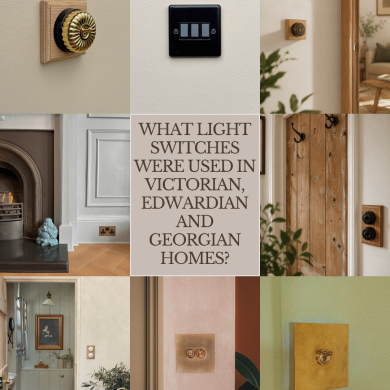
When restoring a period property, it is often the smaller details that make the biggest difference. Light switches and sockets might seem insignificant compared with... Continue reading
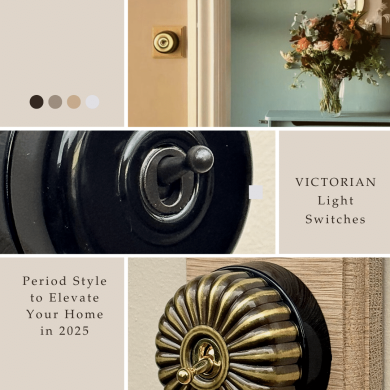
In the world of interior design, it’s often the smallest details that make the greatest impact. One such detail (humble yet transformative) is the light... Continue reading
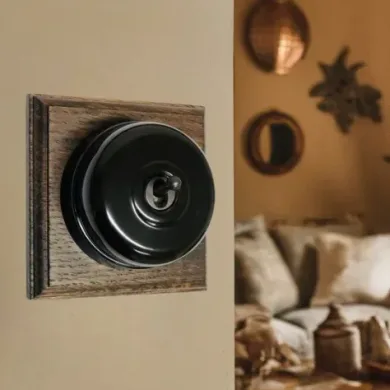
Did you catch our latest article? We've explored how the light switch has evolved over the years, from candlelight to the very first electric light,... Continue reading

Uncover the truth behind light switch designs: are they genuine echoes of the past or mere imitations? Discover the secrets now. Continue reading

Discover how to blend historical charm with modern safety in period-accurate light switch designs, ensuring both authenticity and functionality. Ready to explore the details? Continue reading
