

No products in the cart.


When crafting period-accurate light switch designs, you need to focus on both aesthetics and functionality.
Consider the historical context and materials like brass or Bakelite to replicate vintage charm. Pay attention to details from different eras, such as Victorian or Mid-Century Modern.
While maintaining authenticity, guarantee compliance with modern safety standards. This fusion of past and present creates switches that not only look the part but function safely in today’s world.
Curious about the next steps?
Key Takeaways
- Study original designs and engineering to replicate vintage light switch mechanisms accurately.
- Use authentic materials like Bakelite, brass, and porcelain for historical accuracy.
- Match switch styles to architectural eras to ensure period-appropriate aesthetics.
- Integrate modern safety standards within vintage designs for compliance and safety.
- Hand-finishing techniques capture the aesthetic nuances of historical craftsmanship.
Understanding Historical Design Trends

When exploring historical design trends, it’s essential to grasp how aesthetics and functionality have shaped light switch designs over the decades. Victorian aesthetics often prioritised ornate details, with switches reflecting the era’s intricate patterns and sophisticated craftsmanship. You’ll notice that these designs emphasised elegance, featuring elaborate engravings and embellishments that served as both decorative and functional elements.
As you move into the 1920s and 1930s, Art Deco influences introduced a shift towards geometric shapes and bold, streamlined forms. This period celebrated symmetry and modernity, integrating materials like chrome and glass for a sleek appearance. Understanding these trends helps you create period-accurate designs that resonate with their historical context while maintaining technical precision in functionality and aesthetic appeal.
Materials and Techniques of the Past
Crafting period-accurate light switches demands a keen understanding of the materials and techniques that defined past eras. You’ll need to explore antique materials like Bakelite, brass, and porcelain, each offering a unique aesthetic and functional appeal. Bakelite, with its heat-resistant properties, was favoured in early electrical designs, while brass added a touch of elegance to switch plates. Porcelain, meanwhile, provided durability and an understated beauty.
Embrace vintage techniques by studying how artisans of the time crafted these elements. Hand-finishing and precision machining were often employed to guarantee each switch’s functional integrity and visual appeal. By focusing on these aspects, you can replicate the authentic look and feel of historical light switches, balancing both form and function in your designs.
Accurate Replication of Vintage Switch Mechanisms

To accurately replicate vintage switch mechanisms, explore the intricacies of their original designs and engineering. Start by studying the authentic materials and methods used in historical craftsmanship. Look closely at the mechanical components—like brass toggles or porcelain bases—that define these switches. Pay attention to the tactile feedback and sound they produce; these elements are essential for authenticity.
You’ll need to use precise technical skills to recreate these components. Crafting involves not just assembling parts but understanding the functional purpose each serves in the mechanism. Employ techniques like hand-finishing to capture the aesthetic nuances that reflect the era’s craftsmanship. By mastering these details, you guarantee each switch is a faithful homage to its historical origins, blending function and form seamlessly.
Matching Switch Styles to Architectural Eras
Although choosing the right switch style might seem like a minor detail, it’s essential to match these designs to their respective architectural eras to maintain historical accuracy. Victorian aesthetics, with their ornate details and polished brass finishes, perfectly complement homes from the late 19th century. In contrast, Art Deco elegance, characterised by geometric shapes and chrome finishes, suits the streamlined look of the 1920s and 1930s.
To help you select the right switch style, consider the following:
| Architectural Era | Key Features | Suitable Switch Style |
|---|---|---|
| Victorian | Ornate, polished brass | Toggle switches with filigree |
| Art Deco | Geometric, chrome | Rotary switches with linear patterns |
| Mid-Century Modern | Simple, functional | Push-button switches with sleek lines |
Incorporating Modern Safety Standards in Historical Designs

While preserving the historical charm of period-accurate light switch designs, it’s crucial to incorporate modern safety standards to guarantee functionality and compliance. You must navigate safety regulations meticulously, making certain that each component meets current electrical codes. Design innovations allow you to conceal modern mechanisms within vintage aesthetics, maintaining the authenticity of your historical designs without compromising safety.
Embrace materials and technologies that enhance durability and performance, such as flame-retardant coatings and child-safe mechanisms. By doing so, you ensure that your light switches are not only visually appealing but also meet stringent safety criteria. Consider integrating features like automatic shut-off and surge protection, which align with contemporary safety expectations while respecting the timeless beauty of historical styles. This balance guarantees both elegance and security in your designs.
Frequently Asked Questions
How Do I Maintain Antique Light Switches Once Installed?
To maintain antique light switches, you’ve got to focus on antique maintenance and switch cleaning. Regularly dust the switches using a soft, dry cloth. Avoid harsh chemicals; they can damage the finish. If cleaning is necessary, use a mild soap solution on a damp cloth. Check for loose connections and tighten if needed. Ensure the wiring is intact, and consult a professional if any issues arise to maintain both function and aesthetics.
What Are Common Mistakes When Recreating Historical Light Switch Designs?
When recreating historical light switch designs, one often encounters design inaccuracies. A common mistake is neglecting to research original designs thoroughly, leading to mismatched styles. Material choices can also be off; using modern materials instead of period-appropriate ones compromises authenticity. Pay close attention to details, ensuring technical precision in your replicas. Focus on the aesthetic aspects whilst maintaining functionality to create a switch that truly reflects the historical era.
Are There Any Workshops Available for Learning Vintage Switch Crafting?
You’re wondering if there are workshops available for learning vintage switch crafting. Yes, there are! You can find workshop locations that focus on vintage switch crafting techniques. These workshops emphasise both the aesthetic appeal and technical precision needed for authentic recreation. Attendees learn functional aspects while diving into historical designs. Check local artisan centres or online platforms for upcoming sessions, and you’ll gain hands-on experience with expert guidance in no time.
Can I Find Period-Accurate Switches for Outdoor Use?
You are on the lookout for period-accurate switches suitable for outdoor use. Focus on outdoor materials like weather-resistant metals or specialised plastics that guarantee switch durability. You’ll want to balance aesthetics with technical needs, opting for designs that withstand the elements while maintaining historical integrity. Carefully research suppliers who specialise in vintage replicas, ensuring they offer products tested for longevity and style, so your outdoor space retains its authentic charm.
What Resources Are Available for Sourcing Vintage Switch Blueprints?
You’re looking for vintage switch blueprints, and there are several resources at your disposal. Start by exploring vintage design archives, which often house a wealth of historical switch catalogues. These catalogues provide technical precision and aesthetic emphasis to guarantee authenticity. Online repositories and specialised libraries are also valuable for sourcing detailed diagrams. Don’t overlook auctions or antique shops that might have rare finds in their collections for your needs.


Related posts
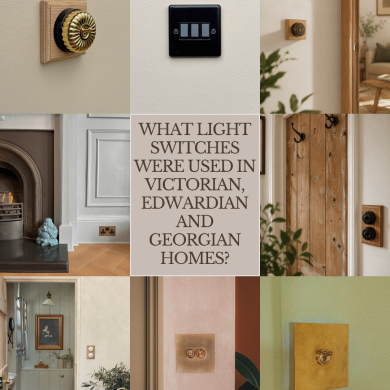
When restoring a period property, it is often the smaller details that make the biggest difference. Light switches and sockets might seem insignificant compared with... Continue reading
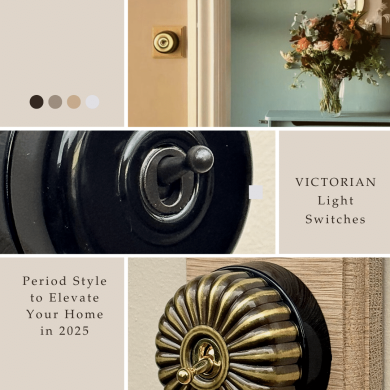
In the world of interior design, it’s often the smallest details that make the greatest impact. One such detail (humble yet transformative) is the light... Continue reading
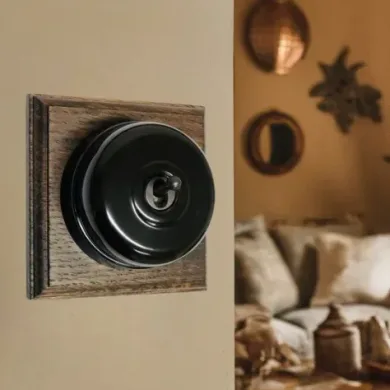
Did you catch our latest article? We've explored how the light switch has evolved over the years, from candlelight to the very first electric light,... Continue reading

Uncover the truth behind light switch designs: are they genuine echoes of the past or mere imitations? Discover the secrets now. Continue reading

Perfecting vintage light switch reproductions involves meticulous material selection, craftsmanship, and safety compliance—what's the secret to capturing their timeless allure? Continue reading
