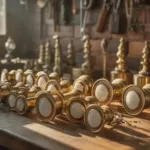
When considering vintage electrical switch options, you’ll encounter a remarkable range of designs like porcelain push button switches and Bakelite toggles, each boasting durability and insulating properties.
The aesthetic appeal extends to rotary dimmer switches and brass toggles, enhancing both period and modern settings.
With options like ceramic rotary switches and Art Deco styles, these switches provide ample customisation.
Curious about the unique craftsmanship behind these choices? Explore how they can elevate your space.
Key Takeaways
- Porcelain push button switches offer aesthetic charm and durability with excellent insulation properties.
- Bakelite toggle switches provide high heat resistance and fit both vintage and modern décor styles.
- Antique style rotary light switches blend historical charm with functionality using brass or copper components.
- Brass toggle switches combine elegance and functionality with various finishes for custom décor.
- Art deco style switches integrate vintage aesthetics with modern usability through geometric patterns and luxurious materials.
Porcelain Push Button Switches

Porcelain push button switches, a staple of early 20th-century electrical design, offer both aesthetic charm and functional reliability. You’ll find these switches in various porcelain colour options, ranging from classic white to cream and even subtle blues, allowing seamless integration into diverse design schemes. Their porcelain durability features include resistance to electrical wear and thermal stress, ensuring longevity and consistent performance. Analyse their construction, and you’ll notice the solid porcelain base, which provides excellent insulation properties, minimising electrical hazards. The tactile feedback of the button engages you with a distinct click, enhancing user interaction. With precise engineering, these switches maintain their mechanical integrity over time, offering an ideal blend of vintage appeal and modern-day resilience for any restoration project.
Bakelite Toggle Switches
When exploring Bakelite toggle switches, you’ll appreciate the material’s excellent electrical insulating properties and high heat resistance, ensuring safety and durability. These switches not only offer historical design appeal with their classic aesthetic but also fit seamlessly into various vintage and modern décor styles. With straightforward installation and broad compatibility with existing electrical systems, Bakelite toggle switches present a practical choice for both restoration projects and new installations.
Bakelite Material Benefits
Although often overshadowed by modern materials, Bakelite remains a superior choice for vintage toggle switches due to its unique properties. Its unparalleled Bakelite durability guarantees longevity, resisting wear and tear even under frequent use. As an early plastic, Bakelite is non-conductive and heat-resistant, enhancing electrical safety. You’ll find that its rigidity contributes to a solid, tactile switch feel, adding to its functional appeal. Additionally, Bakelite aesthetics offer a distinct visual charm. The material’s smooth finish and ability to hold vibrant colours provide a classic, polished look that complements vintage designs. Its resistance to chemical degradation guarantees the switch retains its appearance over time. These features make Bakelite a compelling choice for maintaining both functionality and style in vintage electrical applications.
Historical Design Appeal
Bakelite toggle switches captivate with their historical design appeal, offering a blend of form and function that resonates with vintage enthusiasts and electrical historians alike. You’ll appreciate how these switches embody historical aesthetics, marked by a distinctive industrial look that reflects the design evolution of early 20th-century electrical components. Their robust construction and minimalistic design are not just about style; they highlight a pivotal era in electrical engineering when functionality met emerging consumer needs.
These switches are more than decorative items; they’re artefacts of technological progress. Analysing their design evolution reveals a shift from purely utilitarian objects to components with intentional aesthetics. By integrating Bakelite, manufacturers achieved durability and visual appeal, creating a product that stands the test of time in both performance and design.
Installation and Compatibility
Understanding the installation and compatibility of Bakelite toggle switches is essential for anyone looking to integrate these vintage components into modern electrical systems. Installation techniques require precision, ensuring that the switches fit securely within existing electrical boxes. Compatibility concerns arise when old and new wiring systems differ, necessitating careful inspection of voltage ratings and wiring configurations.
Consider this table for quick guidance:
| Aspect | Vintage System | Modern System |
|---|---|---|
| Voltage Rating | Typically lower | Higher, varies by region |
| Wiring Configuration | Two-wire setups common | Three-wire setups standard |
| Mounting Style | Surface-mounted | Flush-mounted |
Ensure electrical safety standards are met by consulting compatibility charts and using appropriate tools. With the right approach, you can seamlessly integrate Bakelite toggle switches, maintaining both functionality and aesthetic appeal.
Rotary Dimmer Switches
When considering vintage electrical switch options, rotary dimmer switches offer both functionality and aesthetic appeal. They are designed with rotary switch mechanisms that allow precise control over lighting intensity, perfectly suiting vintage lighting aesthetics. You can achieve a seamless blend of old-world charm and modern functionality by focusing on:
- Smooth Rotation: The tactile feedback of turning the knob enhances user experience while adjusting light levels.
- Timeless Design: The classic appearance complements traditional interiors, ensuring your space maintains its period-specific allure.
- Versatile Compatibility: These switches work well with various bulb types, including incandescent and LED, offering flexibility in lighting design.
Choose rotary dimmer switches to enhance your vintage décor while enjoying the convenience and efficiency of modern lighting control.
Brass Toggle Switches

Although often associated with modern minimalism, brass toggle switches offer a refined touch to vintage interiors. You’ll find these switches ideal for achieving vintage switch aesthetics, as they blend elegance with functionality. Brass finish variations, such as aged, polished, or matt, enable you to customise the switch to complement your decor. These finishes influence both the tactile experience and the visual harmony of your space.
When selecting a brass toggle switch, consider its compatibility with existing electrical systems. It’s essential to guarantee that the switch’s specifications align with your wiring requirements. Additionally, pay attention to the toggle mechanism’s robustness, as it impacts durability and user experience. By focusing on these details, you’ll enhance the authenticity and sophistication of your vintage-inspired environment.
Ceramic Rotary Switches
Ceramic rotary switches represent a fusion of classic design and robust functionality, making them an excellent choice for vintage-themed interiors. By integrating ceramic design innovations, these switches provide both aesthetic appeal and durability. You’ll appreciate their precise rotary switch mechanics, enabling smooth operation and reliable performance.
Consider the following features to visualise their elegance and technical prowess:
- Timeless Aesthetics: The ceramic finish exudes traditional charm, complementing a variety of vintage aesthetics.
- Durable Construction: Ceramic’s inherent resilience guarantees longevity and resistance to wear.
- Smooth Operation: The rotary mechanism allows for seamless shifts between settings with tactile feedback.
These switches are not only functional but also contribute to the overall ambience of your space, marrying form and function seamlessly.
Lever Arm Switches

Lever arm switches offer a distinctive blend of mechanical simplicity and vintage charm, making them a compelling choice for period-specific interior designs. These switches employ lever arm functionality, where a metal or Bakelite arm pivots to open or close the circuit. You’ll appreciate their straightforward mechanical design, which requires minimal maintenance and provides reliable performance. The vintage lever aesthetics are characterised by their robust construction and classic lines, often featuring a textured grip for easy operation.
When selecting lever arm switches, consider the material and finish to guarantee they align with your design goals. The tactile feedback and audible click they provide enhance user interaction. Lever arm switches not only serve a functional purpose but also contribute to the overall nostalgic ambience of your space.
Bakelite Rotary Switches
Bakelite rotary switches exude timeless elegance and serve as a functional staple in vintage electrical design. These switches leverage bakelite’s unique properties—heat resistance, electrical insulation, and durability—making them ideal for classic interiors. You’ll appreciate the diverse bakelite colour variations, from deep browns to polished blacks, each offering a distinct aesthetic. When considering their construction, the bakelite manufacturing processes are pivotal. These involve precise moulding and curing techniques, guaranteeing robust, reliable components.
- Smooth rotary mechanism: Guarantees seamless operation without electrical interference.
- Distinctive colour palettes: Offers customisation with subtle shades enhancing décor.
- Sturdy construction: Ensures longevity with minimal wear.
With bakelite rotary switches, you’re not just selecting a switch; you’re embracing a legacy of design and innovation.
Antique Style Rotary Light Switches

Whilst embracing historical charm, antique style rotary light switches offer a blend of aesthetics and functionality. These switches utilise rotary switch mechanics, providing a tactile and satisfying user experience. When you engage in vintage switch restoration, you enhance both the visual appeal and operational efficiency of your electrical systems. The mechanical components, often made of brass or copper, guarantee durability and longevity.
| Feature | Benefit |
|---|---|
| Rotary Switch Mechanics | Smooth operation and longevity |
| Material Quality | Enhanced durability |
| Aesthetic Design | Visual appeal |
| Restoration Potential | Preserved historical integrity |
| Functional Versatility | Adaptable to various settings |
Vintage Metal Plate Switches
When considering vintage metal plate switches, you’ll encounter designs strongly influenced by historical architectural trends. These switches are available in a variety of materials and finishes, such as brass, nickel, and chrome, allowing for customisation to match specific aesthetic requirements. Analysing these options will help guarantee that the switches align with both functional needs and design preferences.
Historical Design Influence
Vintage metal plate switches, rooted in early 20th-century design trends, draw heavily from the era’s architectural and industrial aesthetics. You’ll notice these switches reflect historical craftsmanship and design evolution, showcasing the meticulous artistry of their time. The influences are apparent in several key elements:
- Intricate Engravings: Fine, detailed patterns echo the ornate designs popular in early architecture.
- Geometric Symmetry: The emphasis on clean lines and balanced shapes mirrors industrial innovation.
- Robust Materials: Dominance of metals such as brass and nickel signifies durability and strength.
These switches don’t just serve a functional purpose; they also embody the period’s aesthetic values. By understanding these influences, you can appreciate how past design principles continue to impact the evolution of electrical hardware today.
Material and Finish Options
Exploring the material and finish options for vintage metal plate switches reveals a range of choices that blend functionality with timeless aesthetics. You’ll find that material durability is a critical factor to evaluate. Brass, copper, and stainless steel are popular choices due to their robust nature and resistance to wear and tear. Each material offers a distinct character; brass exudes warmth, copper develops a unique patina, and stainless steel provides a sleek, modern look.
Finish variety further enhances these switches’ appeal. From polished to brushed finishes, each option provides a different tactile and visual experience. A polished finish offers a reflective surface, whilst a brushed finish hides fingerprints and adds texture. Your choice will affect both appearance and maintenance needs.
Art Deco Style Switches

Whilst embracing the elegance of a bygone era, Art Deco style switches offer a seamless blend of form and function, appealing to those with a keen eye for design. These switches are characterised by their streamlined geometry and bold visual elements, epitomising art deco design. They integrate vintage aesthetics with modern usability, ensuring both operational efficiency and aesthetic appeal. When selecting these switches, consider the following attributes:
- Geometric Patterns: Intricate lines and symmetrical shapes that define the art deco style.
- Luxe Materials: Use of metals like chrome or brass, often polished for a sleek finish.
- Contrasting Colours: Bold colour schemes, often incorporating blacks, golds, or silvers.
These attributes make Art Deco style switches a sophisticated choice for any vintage-inspired interior.
Frequently Asked Questions
How Do I Safely Install Vintage Electrical Switches?
When you’re installing vintage electrical switches, prioritise safety precautions. First, turn off the power at the circuit breaker. Use a voltage tester to confirm the current’s off. Carefully remove the old switch, noting wiring configurations. Install the vintage switch by connecting wires securely, matching their original setup. Verify all connections are tight and insulated. Finally, restore power and test functionality. These installation tips will help you maintain both safety and authenticity.
Are Vintage Switches Compatible With Modern Electrical Systems?
When considering vintage switch compatibility with modern electrical systems, you need to analyse several factors. First, check voltage and amperage ratings; vintage switches might not handle current demands. Inspect the wiring; older insulation may not meet today’s safety standards. Ensure grounding is possible, as many vintage switches lack this feature. Adaptors or rewiring might be necessary to integrate seamlessly. Always consult a professional to guarantee safe, compliant installation.
What Maintenance Do Vintage Electrical Switches Require?
When maintaining vintage electrical switches, you’ll need to focus on switch cleaning and switch restoration. Regularly clean contacts to guarantee efficient operation, using non-abrasive materials to avoid damage. Check for corrosion or wear, replacing parts as needed. Switch restoration might involve rewiring or refinishing surfaces to preserve authenticity. Confirming all connections are secure will prevent malfunctions. Proper maintenance extends the switch’s lifespan and retains its aesthetic and functional value.
Where Can I Purchase Authentic Vintage Electrical Switches?
If you are searching for authentic vintage electrical switches, vintage switch retailers are your best bet. These specialised shops often stock genuine pieces, catering to authentic switch collectors. Analyse their inventory for quality and historical accuracy. Online platforms like eBay may also offer rare finds, but verify the seller’s credibility first. Auction houses specialising in vintage items can be another reliable source, providing detailed provenance to guarantee authenticity.
How Do I Identify the Age of a Vintage Electrical Switch?
To identify the age of a vintage electrical switch, examine collectible switch features and switch design history. First, analyse the materials used—Bakelite, porcelain, or metal can indicate specific eras. Next, inspect the manufacturer’s markings; these can provide date clues. Study the switch mechanism; early models might use push-buttons or toggle levers. Finally, research patent numbers or design styles, which are often linked to particular historical periods and technological advancements.