

No products in the cart.
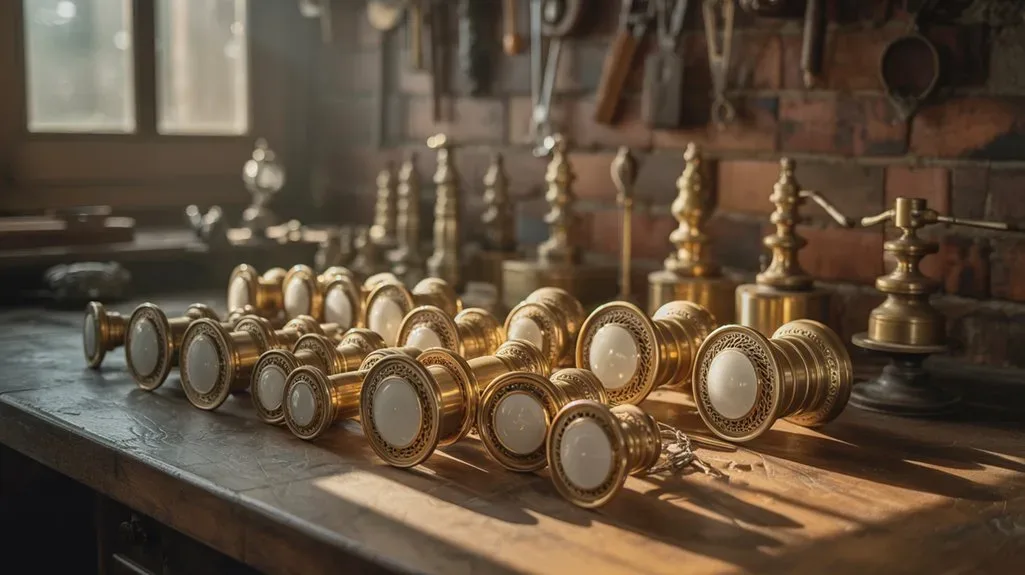

When you’re tackling a renovation project, historical electrical fixtures can be a game-changer, adding authenticity and charm to your space.
Understanding the distinct characteristics of different eras is key. From ornate brass finishes to sleek mid-century designs, each period offers unique features to explore.
Choosing the right materials like stained glass or oak guarantees historical accuracy.
But how do you balance reproduction with restoration while incorporating modern technology? The answer might surprise you.
Key Takeaways
- Identify fixture era through materials, shapes, and decorative elements for authenticity in renovation.
- Select period-appropriate materials like brass, stained glass, or mahogany for historical accuracy.
- Decide between reproduction and restoration by assessing fixture condition, budget, and authenticity needs.
- Integrate modern technology discreetly to maintain historical aesthetics whilst enhancing functionality.
- Source rare vintage components from antique shops or online to match period design and ensure safety.
Identifying Authentic Fixtures for Different Eras

When embarking on a renovation journey, understanding the nuances of electrical fixtures from different eras is vital to maintaining authenticity. You’ll want to immerse yourself in period-specific styles, recognising the historical significance each fixture brings to a space. Begin by identifying key characteristics—such as the materials, shapes, and decorative elements—unique to the specific era you’re restoring. For example, early 20th-century fixtures often feature ornate designs and brass finishes, while mid-century modern pieces favour sleek lines and minimal ornamentation. Visit historical societies or consult archival images to verify the fixtures you choose are genuine to the period. This careful attention to detail not only preserves the integrity of your renovation but also honours the architectural history of the time.
Selecting Appropriate Materials and Finishes
As you explore selecting appropriate materials and finishes for your renovation project, consider how these choices will impact the authenticity of your space. Choose period-appropriate materials to maintain historical accuracy. Here’s a handy list to guide you:
- Metals: Opt for brass, copper, or iron, depending on the era, to guarantee finish compatibility with your fixtures.
- Glass: Stained or frosted glass can add a genuine touch, particularly for Victorian or Art Deco styles.
- Wood: Utilise oak or mahogany for early 20th-century designs, ensuring they match the period’s aesthetics.
- Porcelain: Ideal for knobs and sockets, offering both durability and a vintage feel.
Each material choice contributes to a cohesive, authentic ambience, aligning with your historical vision while preserving the space’s integrity.
Reproduction vs. Restoration: Making the Right Choice

Choosing materials that align with the historical period of your space sets the stage for the next important decision in your renovation journey: whether to reproduce or restore your electrical fixtures. Reproduction offers benefits like modern safety standards and customisability while maintaining an authentic look. It allows you to integrate newly crafted pieces that echo the style of a bygone era. Restoration, however, poses challenges. You’ll face potential issues with outdated wiring and the fragility of aged materials. Authenticity shines through in restoration, preserving the original craftsmanship and historical value. Consider the condition of your fixtures and your budget. Are you prepared to invest time and resources into restoration, or do reproduction benefits align better with your vision? Choose wisely.
Incorporating Modern Technology With Historical Aesthetics
Integrating modern technology with historical aesthetics can transform your space, offering a seamless blend of past and present. Imagine your smart home where every detail respects period style while embracing modern conveniences. Consider these enhancements:
- Smart Bulbs: Retrofit chandeliers with smart bulbs to maintain elegant lighting while controlling brightness and colour via an app.
- Hidden Outlets: Install period-style wall plates to disguise smart plugs, keeping technology out of sight but within reach.
- Thermostat Covers: Use decorative covers that match your vintage decor, housing smart thermostats to regulate temperature efficiently.
- Concealed Wiring: Run wires through existing conduits or behind skirting boards to preserve the historical charm without visible clutter.
These strategies guarantee that your historical space remains authentic, all while incorporating the latest technology.
Sourcing Rare and Vintage Electrical Components

Blending modern technology with historical aesthetics requires more than just clever integration; it also involves sourcing rare and vintage electrical components that complement your home’s original style. You’ll need to embark on a journey of vintage sourcing, seeking items that echo the past while maintaining component authenticity. Begin by exploring local antique shops and online marketplaces dedicated to historical fixtures; they’re treasure troves for finding unique pieces. Pay attention to the details—ensure that components like switches and light fittings not only match your period’s design but also function safely with modern systems. Consult with specialists or restoration experts who understand the nuances of authentic restoration. By prioritising authenticity and safety, you’ll create a seamless blend of past and present.
Frequently Asked Questions
How Do I Safely Install Antique Electrical Fixtures?
When you’re installing antique electrical fixtures, ensure compatibility with modern wiring. First, turn off the power. Carefully inspect the antique wiring for damage; frayed wires aren’t safe. Replace any damaged parts while maintaining the fixture’s authenticity. Use a voltage tester to confirm no current flows. Securely mount the fixture, ensuring it fits your current system. Consult a licensed electrician if you’re unsure, ensuring both safety and historical integrity are preserved.
What Permits Are Needed for Renovating Historical Electrical Fixtures?
To navigate the permitting process for renovating historical electrical fixtures, you’ll need to consult your local building department. They ensure your work aligns with historical preservation guidelines. Each area may have different requirements, so verify if special permits or approvals are necessary. It’s vital to maintain the authenticity of these fixtures while complying with safety standards, making sure your renovations respect the historical value and meet all regulatory expectations.
Are There Eco-Friendly Options for Historical Fixture Renovation?
When you’re renovating historical fixtures, eco-friendly options are indeed available. Focus on using sustainable materials that retain the charm of the original design. Opt for energy-efficient bulbs and wiring to guarantee your renovation is both authentic and environmentally conscious. Incorporate LED technology whilst maintaining the fixture’s historical integrity. By prioritising these elements, you’ll create an energy-efficient, sustainable restoration that respects both the past and the planet.
How Do I Determine the Value of Antique Fixtures?
To determine the value of antique fixtures, you should start with reliable appraisal methods. Consult professionals who specialise in antique fixtures for an accurate valuation. Understand current market trends by researching similar items sold at auctions or online. Analyse the fixture’s condition, rarity, and provenance. Authenticity is key, so verify any historical significance. By staying informed and leveraging expert insights, you’ll effectively assess your antique fixtures’ true worth.
Can Historical Fixtures Be Insured Against Damage or Theft?
Yes, you can insure historical fixtures against damage or theft. Start by obtaining fixture appraisals to determine their value. Insurance policies often require these appraisals to accurately assess coverage needs. Choose a policy that specifically covers antiques, ensuring it includes protection for both damage and theft. Be diligent about reading the policy details to understand exclusions and limitations. This way, you safeguard your valuable fixtures authentically and thoroughly.


Related posts

Brass is making a strong return in interiors, celebrated for its warmth, elegance and timeless appeal. From subtle brushed textures to bold, bright and polished.... Continue reading
When it comes to designing a home, most people think about the big elements first - flooring, paint colours, cabinets, maybe even statement lighting. But... Continue reading

Keeping historical integrity intact, discover the art of integrating authentic electrical fixtures into heritage renovations while ensuring modern safety standards are met. Continue reading

Curious about the 7 best electrical fixtures for historic renovations? Discover options that blend charm with functionality and transform your space. Continue reading

Step into the world of heritage renovations with top electric fixtures that preserve charm and functionality, but which ones truly capture authenticity? Continue reading