

No products in the cart.


When undertaking heritage renovations, you must carefully choose authentic electrical fixtures to maintain the building’s historical integrity.
It’s essential to evaluate each fixture’s authenticity and ensure they align with the era of the structure. Sourcing from specialised suppliers and antique shops enhances your selection of period-specific pieces.
These authentic elements preserve the architectural narrative, creating harmony between modern conveniences and historical charm.
But how do you seamlessly integrate these fixtures while maintaining safety standards?
Key Takeaways
- Research suppliers specialising in period-specific electrical fixtures to ensure authenticity.
- Explore antique shops for unique and hands-on inspection of heritage-appropriate fixtures.
- Use online marketplaces for a variety of options, verifying each fixture’s authenticity.
- Consider auction houses for rare, era-specific electrical fixtures, despite competitive bidding.
- Consult restoration specialists for expert recommendations on sourcing authentic fixtures.
Understanding the Importance of Period-Appropriate Fixtures

When undertaking heritage renovations, it’s critical to grasp why period-appropriate fixtures matter. They serve as tangible links to the past, preserving the period significance of the building. You’ll find that fixture authenticity is not just about aesthetics; it’s about respecting the original design and craftsmanship. Authentic fixtures guarantee that modern interventions don’t disrupt the historical narrative of the property.
Understanding the importance of these fixtures means acknowledging their role in maintaining architectural integrity. It involves recognising how each element contributes to the overall heritage value. By choosing fixtures that reflect the era in which the building was constructed, you’re honouring its history and guaranteeing that its story continues to resonate through time. This thoughtful approach enriches the renovation process, making it both meaningful and respectful.
Key Elements of Heritage Renovation Projects
Heritage renovation projects can be intricate, but understanding their key elements can significantly enhance the outcome. Firstly, you should assess the building’s original heritage styles. This involves researching historical records, photographs, or architectural plans to ensure your efforts respect the structure’s unique character. Next, select renovation techniques that align with these styles. For instance, use traditional materials and craftsmanship where possible to preserve authenticity. It is also essential to address any structural issues while maintaining the integrity of original features. Be mindful of modern building codes and safety standards without compromising historical accuracy. Finally, ensure all changes are reversible, allowing future generations to appreciate the heritage without permanent alterations. With careful attention to these elements, your project will honour its historical roots.
Sourcing Authentic Electrical Fixtures

Finding authentic electrical fixtures is essential to preserving the historical integrity of heritage buildings. When embarking on vintage sourcing, you’ll need to evaluate the fixture authenticity to ensure each piece aligns with the era of your structure. Start by researching suppliers specialising in period-specific fixtures. Auction houses and antique shops often have unique finds, while online marketplaces offer broader options. Below is a quick reference table for sourcing:
| Source Type | Advantages | Considerations |
|---|---|---|
| Antique Shops | Hands-on inspection | Limited selection |
| Auction Houses | Rare, unique items | Competitive bidding |
| Online Marketplaces | Wide variety, convenience | Verify authenticity, shipping cost |
Blending Modern Technology With Historical Aesthetics
Integrating modern technology with historical aesthetics requires a careful balance between innovation and preservation. You want to enhance your heritage home without compromising its character. Smart lighting offers an ideal solution, allowing you to maintain the ambience of traditional fixtures while benefiting from advanced technology. Choose smart bulbs that mimic the warm glow of vintage lighting, and install discreet sensors to automate your lighting, ensuring convenience and energy efficiency. Opt for LED options, as they consume less power and have a longer lifespan, reducing both energy costs and environmental impact. By thoughtfully integrating these technologies, you can preserve the historic charm of your home, all while enjoying the comforts and sustainability that modern advancements bring.
Popular Styles of Electrical Fixtures for Heritage Homes

When you’re renovating a heritage home, selecting electrical fixtures that complement its historical character is essential. You can explore vintage lighting options that bring authenticity, while period-appropriate switches offer the perfect blend of functionality and style. Classic chandelier designs also add a timeless elegance, ensuring the fixtures are as much a part of the home’s story as its architecture.
Vintage Lighting Options
In the world of heritage home renovations, a few key lighting styles can seamlessly blend modern functionality with classic charm. Vintage sconces, for instance, offer an elegant solution for creating ambient lighting while adding a touch of historical authenticity. These wall-mounted fixtures, with their intricate designs and warm glow, can transform a hallway or living room into a period-appropriate masterpiece. Similarly, retro pendants provide a versatile option for kitchens or dining areas, balancing old-world aesthetics with contemporary needs. Their suspended style allows for focused illumination, perfect for task lighting or creating a cosy atmosphere. By carefully selecting these vintage lighting options, you can respect the architectural integrity of your heritage home while enjoying the benefits of modern electrical advancements.
Period-Appropriate Switches
Choosing the right switches is essential when aiming for period-authentic electrical fixtures in heritage homes. These switches not only enhance the aesthetic but also maintain historical integrity. Here are four popular period styles to consider:
- Push-Button Switches: Common in early 20th-century homes, these switches offer timeless appeal and are easy to use, providing reliable switch functionality.
- Rotary Dimmers: Ideal for vintage settings, they add a touch of elegance while allowing light control, enhancing both style and functionality.
- Toggle Switches: These classic switches were prevalent in mid-century designs, offering straightforward functionality with a nostalgic flair.
- Bakelite Switches: Known for their durability and distinctive appearance, these switches combine historical accuracy with modern electrical standards.
Incorporate these styles to ensure your renovations respect and reflect their historical periods.
Classic Chandelier Designs
Classic chandeliers offer a stunning focal point that can elevate the grandeur of any heritage home. They embody a rich tapestry of chandelier history, tracing back to mediaeval times when candlelit chandeliers symbolised opulence. As you explore design influences, consider the Baroque era‘s dramatic curves or the Neoclassical period’s refined elegance. Each style tells a story—Rococo chandeliers boast intricate ornamentation, while Empire designs feature bold symmetry.
When choosing a chandelier, think about the scale and proportion to guarantee it complements your space. Opt for authentic materials like crystal or wrought iron, which reflect historical accuracy. You’ll find that these elements not only enhance visual appeal but also honour the architectural integrity of your heritage home, seamlessly blending past and present.
Challenges in Finding Suitable Fixtures for Older Properties

When you’re restoring an older property, finding electrical fixtures that match historical aesthetics and guarantee modern compliance can be a real challenge. You need to balance the charm of period-specific designs with the necessity of meeting today’s safety standards and energy efficiency requirements. It’s essential to carefully research and select fixtures that honour the property’s heritage while adhering to current regulations.
Matching Historical Aesthetics
Navigating the quest for electrical fixtures that align with historical aesthetics can feel like solving a complex puzzle. You’re tasked with ensuring that each piece seamlessly blends into the historical colour palettes and architectural details of your older property. Here are some key considerations:
- Research Historical Colour Palettes: Discover the hues that defined the era of your property, ensuring any exposed fixtures don’t clash.
- Focus on Architectural Details: Pay attention to the design motifs and materials used originally, as these will guide your fixture choices.
- Seek Expert Advice: Consult with restoration specialists who understand the nuances of historical aesthetics.
- Visit Salvage Yards: These treasure troves often house authentic fixtures that maintain the integrity of your renovation project.
With these steps, you’ll harmonise the old with the new.
Ensuring Modern Compliance
While restoring an older property, guaranteeing modern compliance with electrical fixtures can pose significant challenges. You’re tasked with blending historical charm with today’s safety standards. Old wiring might not support modern upgrades, and vintage fixtures often lack the necessary safety features. Steering through this change requires a keen understanding of current safety regulations, which often demand upgrades like earthing systems, circuit interrupters, or energy-efficient lighting.
You’ll need to assess each fixture’s compatibility with existing wiring and guarantee they meet contemporary standards. It’s essential to consult with professionals who specialise in heritage properties to achieve compliant solutions without sacrificing aesthetics. By prioritising both safety and historical accuracy, you ensure your renovation respects the past while safeguarding the future.
Custom Solutions for Unique Heritage Needs
Understanding the unique challenges of heritage renovations is essential for preserving the authenticity of historic buildings. You’ll find that custom craftsmanship and bespoke designs are key to addressing these challenges. They ensure each fixture enhances the building’s original charm. Here’s how you can approach this:
- Collaborate with Artisans: Work closely with skilled artisans who understand the intricacies of your project and can provide bespoke designs tailored to your needs.
- Research Period-Appropriate Materials: Use materials that match the era of the building to maintain authenticity.
- Adapt Modern Technology: Integrate modern electrical solutions without compromising the historical aesthetics.
- Prioritise Functionality and Style: Balance the need for modern functionality with the building’s traditional style, ensuring both safety and visual harmony.
Maintaining Safety Standards in Heritage Renovations

When undertaking heritage renovations, verifying safety standards are upheld is paramount, as these buildings often present unique challenges. You must adhere to safety regulations designed to protect both the structure and its occupants. Begin by scheduling thorough electrical inspections to identify outdated wiring and potential hazards. It is crucial to work with professionals who specialise in heritage buildings, as they understand the intricacies involved. They’ll verify compliance with modern safety codes while preserving the building’s historical integrity. Pay close attention to earthing systems and circuit breakers, which might need updating to meet current standards. By maintaining rigorous safety protocols, you not only protect the heritage site but also enhance its longevity and functionality for future generations. Your diligence guarantees a successful renovation.
Frequently Asked Questions
How Do You Determine the Age of Existing Electrical Fixtures?
To determine the age of existing electrical fixtures, you should start by examining fixture identification techniques. Look for manufacturer marks or serial numbers, which can reveal production dates. Familiarise yourself with historical wiring standards; they’ll provide clues about when certain materials and designs were prevalent. Pay attention to the fixture’s style and craftsmanship, as these elements often align with specific time periods. By combining these approaches, you’ll accurately assess the fixture’s age.
What Are the Costs Associated With Sourcing Authentic Fixtures?
When you’re considering fixture sourcing, it’s crucial to evaluate the restoration costs associated with authentic pieces. Prices can vary greatly based on the rarity and condition of the fixtures. You’ll need to factor in shipping fees, especially if sourcing internationally. Also, consider any additional expenses for restoration or rewiring to meet modern safety standards. Budgeting carefully ensures you find quality fixtures without overspending, making your project both authentic and financially feasible.
Can Heritage Fixtures Be Energy-Efficient?
You are likely wondering if heritage fixtures can be energy-efficient. They can! By integrating modern technology, you can maintain historical compliance while choosing energy-efficient options. LED bulbs fit into vintage fixtures, offering a reduction in energy consumption. You might also consider retrofitting existing fixtures with energy-saving components. This approach respects the original aesthetics while embracing sustainability, ensuring your renovation is both historically accurate and eco-friendly. Do not compromise on style or efficiency!
How Do You Preserve Original Electrical Fixtures During Renovations?
To preserve original electrical fixtures during renovations, begin by carefully removing each fixture to prevent damage. Document their original placement and condition. Focus on fixture restoration, gently cleaning them to maintain their patina. For wiring preservation, inspect the existing wires and replace only if necessary, using materials that match the period. Always consult a skilled electrician familiar with heritage properties to guarantee safety and authenticity in your renovation efforts.
Are There Grants Available for Heritage Renovation Projects?
You are probably wondering if there are grant opportunities for heritage renovation projects. Yes, there are various funding sources available. Start by exploring local government programmes, as they often provide grants for preserving historic sites. Additionally, national heritage organisations frequently offer funding specifically for maintaining architectural authenticity. Do not overlook private grants from foundations focused on cultural preservation. With diligent research, you can uncover numerous opportunities to support your renovation efforts.

Related posts

Brass is making a strong return in interiors, celebrated for its warmth, elegance and timeless appeal. From subtle brushed textures to bold, bright and polished.... Continue reading
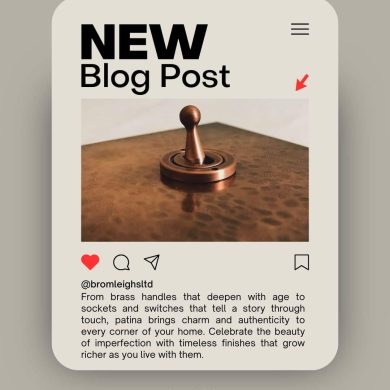
When it comes to designing a home, most people think about the big elements first - flooring, paint colours, cabinets, maybe even statement lighting. But... Continue reading

Transform your renovation with historical electrical fixtures, but can you blend vintage charm with modern tech seamlessly? Discover the surprising answer here. Continue reading

Curious about the 7 best electrical fixtures for historic renovations? Discover options that blend charm with functionality and transform your space. Continue reading

Step into the world of heritage renovations with top electric fixtures that preserve charm and functionality, but which ones truly capture authenticity? Continue reading
