

No products in the cart.


When you’re renovating a heritage home, choosing the right electric fixtures is key to preserving its historical charm while enhancing functionality.
Consider vintage light switches and period-style wall sconces that echo the original design.
Antique-inspired chandeliers crafted from materials like brass and wrought iron can add authenticity.
Don’t forget about retro outlets and traditional doorbell chimes with modern safety features.
Curious about how historic ceiling fans can blend style with energy efficiency?
Key Takeaways
- Choose vintage light switches for historical accuracy and modern safety in heritage renovations.
- Select period-style wall sconces and classic pendant lighting to enhance authentic design elements.
- Opt for antique-inspired chandeliers and Edison bulb fixtures to combine vintage aesthetics with modern functionality.
- Consider retro electrical outlets and traditional doorbell chimes for a blend of nostalgia and practicality.
- Use historic ceiling fans to elevate both functionality and period charm in heritage homes.
Vintage Light Switches

When you’re starting on a heritage renovation, selecting the right vintage light switches can make a significant difference in maintaining authenticity. To choose wisely, you should explore restoration techniques that prioritise historical accuracy. Begin by researching the era-specific switch styles that align with your property’s original period. Consider toggle and push-button switches, common in early 20th-century homes, or rotary dimmers for mid-century properties. Look for manufacturers specialising in reproduction switches, ensuring they meet modern electrical standards while preserving vintage aesthetics. Pay attention to materials—brass, porcelain, or Bakelite—which were typical in different eras. By carefully selecting switches that embody the style and craftsmanship of their time, you’ll enhance your renovation’s historical integrity and give your space a genuinely authentic feel.
Period-Style Wall Sconces
When choosing period-style wall sconces for your heritage renovation, focus on authentic design elements that reflect the era you’re emulating. Consider materials like brass or wrought iron and details such as intricate patterns or antique finishes to maintain historical accuracy. Pair these fixtures with suitable bulb choices, like Edison-style or low-wattage LED bulbs, to guarantee both aesthetic appeal and energy efficiency.
Authentic Design Elements
Period-style wall sconces serve as quintessential elements in heritage renovations, offering both authenticity and charm to restored spaces. When choosing these fixtures, focus on design elements that echo the era’s aesthetic. Opt for sconces that incorporate heritage colours, providing a seamless blend with your historical decor. Pay attention to period patterns, as they enhance the authenticity of your restoration project and narrate the visual story of the past.
Consider these elements when selecting period-style wall sconces:
- Material: Look for materials like brass or wrought iron that were common in the era.
- Finish: Choose aged finishes that match the historic ambience.
- Shape: Select shapes that mirror traditional designs, such as scrolls or floral motifs.
- Installation: Ascertain the installation respects the original architectural features of your space.
Suitable Bulb Choices
Choosing the right bulb for period-style wall sconces might seem straightforward, yet the details can significantly impact the authenticity of your heritage renovation. It is important to consider LED compatibility, as many period-style sconces are now able to accommodate modern bulbs designed to mimic the classic incandescent look. LEDs provide energy efficiency and longevity, making them a practical choice.
Opt for bulbs with a warm glow to replicate the soft, inviting light typical of historical interiors. Look for bulbs with a colour temperature around 2200K to 2700K, which closely resemble the warm hues of traditional incandescent bulbs. This ensures your space maintains its period charm while benefiting from modern technology. Pay attention to bulb size and shape, ensuring they fit the fixture and complement its design.
Antique-Inspired Chandeliers

When choosing antique-inspired chandeliers for heritage renovations, you’ll want to focus on combining vintage design elements with modern technology. Look for fixtures that capture the elegance of past eras while incorporating energy-efficient LED lighting or smart home compatibility. This blend not only preserves the aesthetic integrity of historical spaces but also meets today’s sustainability and convenience standards.
Vintage Design Elements
Antique-inspired chandeliers offer an enchanting blend of artistry and history, seamlessly integrating vintage design elements into modern heritage renovations. When you’re working to capture the essence of a bygone era, these chandeliers become the centrepiece that ties together your space. Pair them with vintage wallpaper to create a rich visual tapestry reminiscent of turn-of-the-century elegance. Retro furnishings complement this aesthetic, inviting nostalgia while maintaining functionality.
Consider these elements to enhance your heritage renovation:
- Craftsmanship: Hand-forged metalwork and intricate detailing add authenticity.
- Materials: Opt for brass, crystal, or wrought iron for period-appropriate aesthetics.
- Lighting: Use warm, ambient bulbs to mimic the glow of candlelight.
- Scale: Choose a chandelier size proportional to the room for balance and impact.
These elements guarantee your renovation remains true to its historical roots.
Modern Technology Integration
While maintaining historical authenticity is crucial, integrating modern technology into antique-inspired chandeliers enhances their functionality without diminishing their charm. By incorporating smart home capabilities, these fixtures offer convenience and customisation. You can control lighting intensity and schedules through smartphone apps, creating the perfect ambience for any occasion. Moreover, energy efficiency is a notable advantage. LED bulbs, compatible with antique designs, reduce electricity consumption while preserving the classic glow.
Here’s a concise comparison:
| Feature | Traditional Chandeliers | Modern Integration |
|---|---|---|
| Control | Manual switch | Smart home app |
| Energy Efficiency | Low | High |
| Customisation | Limited | Extensive |
Embrace the blend of past and present to enhance both aesthetic appeal and practical benefits in your heritage renovation projects.
Classic Pendant Lighting
While embarking on heritage renovations, you’ll find that classic pendant lighting offers an elegant blend of historical charm and modern functionality. These fixtures, crafted from classic materials, embody timeless styles that seamlessly fit into any heritage setting. You’ll appreciate how they illuminate spaces while preserving a room’s historical essence. Here are some key aspects to reflect upon:
- Classic Materials: Opt for brass, wrought iron, or glass to reflect authenticity.
- Timeless Styles: Choose designs like schoolhouse or industrial pendants for a lasting appeal.
- Versatile Placement: Use in kitchens, dining rooms, or entryways for a cohesive look.
- Dimmer Options: Integrate dimmer switches to adjust lighting tones, enhancing ambience.
Incorporating classic pendant lighting into your renovation project preserves history while providing modern convenience.
Retro Electrical Outlets

When updating a heritage home, retro electrical outlets offer a perfect blend of nostalgia and practicality, seamlessly merging the old with the new. You’ll find that careful outlet placement is essential in maintaining the aesthetic integrity of historic interiors. Strategically position outlets where modern convenience meets traditional charm. Opt for outlet materials that reflect the era, like brass or bronze, ensuring they blend with existing finishes.
Here’s a quick reference table:
| Feature | Description | Example Materials |
|---|---|---|
| Outlet Placement | Discreet yet accessible locations | Near skirting boards |
| Outlet Materials | Period-appropriate finishes | Brass, Bronze |
| Design Style | Vintage aesthetics | Art Deco, Victorian |
| Safety Features | Modern compliance | Earthed sockets |
| Customisation | Adaptable designs | Mixed metal finishes |
This approach respects your home’s history while enhancing functionality.
Historic Ceiling Fans
Integrating historic ceiling fans into your heritage home can elevate both its functionality and period charm. When choosing fan styles, consider the era of your home. Victorian fans often feature ornate designs, whilst Art Deco styles offer sleek, geometric patterns. For installation tips, verify the fan’s weight is suitable for your ceiling’s structural integrity. Hiring a professional can prevent potential mishaps and guarantee electrical safety.
When selecting a historic ceiling fan, keep these factors in mind:
- Material Authenticity: Opt for natural materials such as wood or metal.
- Blade Count: Fans with more blades operate more quietly and efficiently.
- Motor Type: DC motors are quieter and more energy-efficient than AC motors.
- Mounting Type: Choose a flush mount for low ceilings or a downrod for high ceilings.
Reproduction Push Button Switches

How do you seamlessly blend modern convenience with historic aesthetics? Reproduction push button switches offer a perfect solution. Originating in the late 19th century, push button history reveals these switches as a hallmark of early electrical innovation. You can capture this vintage charm by choosing switches crafted from classic switch materials like porcelain and brass, ensuring durability and authenticity. Their two-button design, one for on and the other for off, mimics the original functionality while accommodating today’s electrical standards.
When selecting reproduction push button switches, focus on those that incorporate modern safety features without sacrificing historical design. Available in various finishes, they allow you to match your home’s period style effortlessly. These switches aren’t just functional; they’re an essential detail in preserving your heritage home’s character.
Edison Bulb Fixtures
While reproduction push button switches bring authenticity to your walls, Edison bulb fixtures add a warm, nostalgic glow to your rooms. Embracing Edison bulb aesthetics aligns perfectly with vintage lighting trends, enhancing both ambience and historical accuracy. These fixtures not only mimic the charm of early 20th-century lighting but also cater to modern energy efficiency.
When choosing Edison bulb fixtures, consider the following:
- Fixture Styles: Opt for pendant lights, sconces, or chandeliers to suit diverse room settings.
- Bulb Shapes: Select from globe, tubular, or classic filament forms for varied visual appeal.
- Colour Temperature: Warm, amber tones best replicate vintage lighting’s cosy effect.
- Dimming Capability: Look for dimmable options to adjust the ambience seamlessly.
Incorporating these elements guarantees your heritage renovation captures the timeless allure of yesteryears.
Traditional Doorbell Chimes

A traditional doorbell chime can serve as the perfect finishing touch to your heritage renovation project, adding an authentic auditory element to your home’s historical ambience. Doorbell history reveals that mechanical chimes date back to the early 19th century, originally using pull-string mechanisms before evolving into electrical versions. When selecting a chime, consider the various types available. Long tubular chimes offer a classic, resonant sound, reminiscent of Victorian era homes. Alternatively, choose a compact, bell-style chime for a more subtle, yet still period-appropriate, auditory experience.
Incorporating a historically accurate doorbell enhances both the aesthetic and functional aspects of your renovation. It’s essential to match the chime type and design with your home’s era. This attention to detail elevates your project, ensuring historical integrity.
Frequently Asked Questions
How Can I Ensure Modern Code Compliance While Using Heritage-Style Fixtures?
To ensure modern code compliance with heritage-style fixtures, begin by researching code adaptations specific to your area. Verify fixture compatibility by choosing pieces that meet safety standards while retaining their aesthetic charm. Consult with a licensed electrician who understands both historical and modern requirements. They’ll guide you on integrating new wiring and earthing methods, assuring everything works seamlessly. Don’t forget to regularly update yourself on any changes in electrical codes.
Are There Eco-Friendly Options for Heritage-Inspired Lighting Fixtures?
Yes, you can find eco-friendly options for heritage-inspired lighting fixtures. Look for designs that use sustainable materials like reclaimed wood or recycled metals. These fixtures often incorporate energy-efficient LED technology, reducing your carbon footprint whilst maintaining a vintage aesthetic. Research brands that prioritise sustainability and craftsmanship to guarantee you’re choosing fixtures that align with modern environmental standards. With these choices, you can beautifully blend classic design with eco-conscious living.
Can Smart Technology Be Integrated Into Vintage-Style Electric Fixtures?
You can definitely integrate smart technology into vintage-style electric fixtures. Smart bulbs are the key, allowing you to maintain vintage aesthetics while adding modern functionality. They fit into traditional sockets and support features like remote control and dimming. Research shows that many manufacturers create bulbs specifically designed to blend with older fixtures. This integration guarantees you enjoy the charm of vintage designs with the convenience of smart technology.
What Are the Maintenance Requirements for Antique-Inspired Electrical Fixtures?
When maintaining antique-inspired electrical fixtures, you’ll want to prioritise regular fixture cleaning to preserve their appearance. Dust them gently and check for tarnish on metal parts. It’s vital to perform wiring inspections annually; old wiring can pose safety hazards. Confirm connections are secure and replace any worn components. Using a soft brush for delicate detailing and a multimeter for electrical testing can help maintain your fixtures’ functionality and beauty.
How Do I Select Appropriate Fixtures for a Specific Heritage Period?
To select appropriate fixtures for a specific heritage period, you must focus on period characteristics and fixture styles. Start by researching the era’s architectural details and common materials. Visit museums or review historical photographs to understand the visual aesthetics. Look for replicas or antiques that capture the essence of that time. Ensure the fixtures blend with your space’s design while maintaining authenticity and functionality, respecting both history and practicality.


Related posts
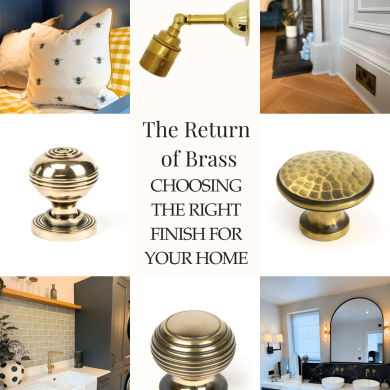
Brass is making a strong return in interiors, celebrated for its warmth, elegance and timeless appeal. From subtle brushed textures to bold, bright and polished.... Continue reading
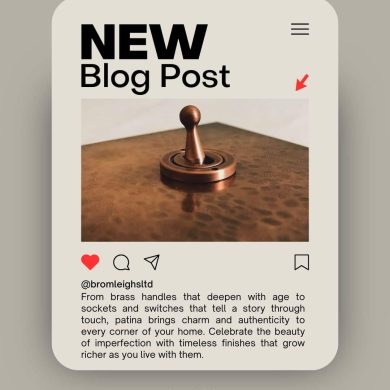
When it comes to designing a home, most people think about the big elements first - flooring, paint colours, cabinets, maybe even statement lighting. But... Continue reading

Transform your renovation with historical electrical fixtures, but can you blend vintage charm with modern tech seamlessly? Discover the surprising answer here. Continue reading

Keeping historical integrity intact, discover the art of integrating authentic electrical fixtures into heritage renovations while ensuring modern safety standards are met. Continue reading

Curious about the 7 best electrical fixtures for historic renovations? Discover options that blend charm with functionality and transform your space. Continue reading