

No products in the cart.


When renovating a period home, understanding period-specific electrical fixtures is essential for maintaining historical integrity.
You’ll explore various design eras, from Victorian opulence to Mid-Century Modern simplicity, each with distinct characteristics.
Meticulously consider materials like brass and glass while ensuring compliance with modern safety standards.
Blending these elements with contemporary technology enhances both aesthetics and functionality.
This guide will equip you to navigate these nuanced choices, ensuring a harmonious balance of past and present.
Key Takeaways
- Victorian fixtures feature elaborate metalwork and glass shades, requiring careful retrofitting for modern electrical systems.
- Edwardian designs emphasise neoclassical motifs with minimalist switches often in porcelain or brass.
- Art Deco fixtures showcase streamlined geometric designs with luxurious metallic accents like chrome and brass.
- Mid-century modern design includes functional elegance with iconic fixtures like sputnik chandeliers and arc floor lamps.
- Integrating smart technology discreetly into period-specific fixtures preserves historical aesthetics whilst enhancing functionality.
Victorian Era Electrical Fixtures

When embarking on a renovation that involves Victorian era electrical fixtures, it’s crucial to understand the unique characteristics and historical context of these components. Victorian gaslights and wall sconces are prominent features, initially designed for gas, later adapted to electricity. You’ll notice that Victorian gaslights often include elaborate metalwork and glass shades, reflecting the era’s opulence. These fixtures require careful retrofitting if they’re to be used safely with modern electrical systems. Victorian wall sconces present another challenge; their placement was typically higher, necessitating consideration of modern lighting needs. Analyse the fixture’s construction—usually a mix of brass and glass—to guarantee compatibility with contemporary wiring. Adapting these pieces properly maintains their historical integrity while meeting current safety standards.
Edwardian Period Lighting and Switches
Although the Edwardian period followed closely on the heels of the Victorian era, it introduced distinct changes in lighting and switches that reflect evolving tastes and technological advancements. Edwardian chandeliers became more refined, showcasing elegant lines and lighter materials compared to their Victorian predecessors. You should seek fixtures that feature neoclassical motifs and understated embellishments. Edwardian wall sconces also embody this change, often utilising simpler designs with frosted or etched glass shades to diffuse light effectively. When selecting switches, opt for those with a clean, minimalist appearance, often in porcelain or brass. These details guarantee authenticity in your renovation. Pay close attention to the fixture’s scale and proportion to maintain the period’s balance between decorative elegance and functionality.
Art Deco Influence on Electrical Hardware

When considering Art Deco‘s impact on electrical hardware, you should focus on the era’s hallmark streamlined geometric designs, which emphasise symmetry and bold shapes. Examine the use of luxurious metallic accents, such as chrome and brass, that provide a sleek and opulent finish to light fixtures and switches. These elements collectively highlight Art Deco’s commitment to combining functionality with aesthetic sophistication in electrical installations.
Streamlined Geometric Designs
Drawing inspiration from the Art Deco era, streamlined geometric designs in electrical hardware offer a perfect blend of aesthetics and functionality. You’ll find that these fixtures embody minimalist aesthetics and functional elegance, making them ideal for period-specific renovations. Their clean lines and precise shapes not only enhance visual appeal but also guarantee practical utility. When selecting these designs, consider the following elements:
- Symmetry: Guarantees balance and harmony in any space.
- Angular Forms: Sharp edges create a modern yet timeless look.
- Linear Patterns: Adds depth without overwhelming the décor.
- Contrasting Materials: Highlights key features for added visual impact.
- Simplified Silhouettes: Emphasises the core design principles without unnecessary embellishments.
Luxurious Metallic Accents
The Art Deco era not only celebrated geometric precision but also revelled in the opulence of metallic finishes, which continue to influence electrical hardware today. When incorporating luxurious metallic accents into your renovation, you should focus on the composition and sheen of the materials. Opt for opulent materials like chrome, brass, and nickel, which offer both durability and aesthetic appeal. These metals create a sophisticated ambience with their reflective qualities and intricate detailing.
Consider switch plates and outlet covers in polished metallic finishes that echo the grandeur of Art Deco. Their sleek lines and shimmering surfaces can enhance the visual texture of any room. Pay attention to the harmony between fixtures and existing decor to guarantee a cohesive design. Implementing these elements requires precision and an eye for detail.
Mid-Century Modern Electrical Design
Mid-century modern electrical design epitomises functional elegance and streamlined aesthetics from the mid-20th century. You’ll find mid-century aesthetics embracing simplicity and highlighting iconic lighting fixtures that blend seamlessly into any renovation project. These designs focus on clean lines and organic forms, guaranteeing lighting doesn’t just illuminate but enhances your space’s style.
- Iconic Lighting Styles: Think sputnik chandeliers and arc floor lamps.
- Material Choices: Use metals like brass and chrome for that authentic touch.
- Colour Palettes: Opt for earthy tones, contrasting with bold accent colours.
- Functionality: Prioritise adjustable fixtures that offer versatility.
- Integration: Ascertain seamless wiring that complements the fixture’s design.
When planning your renovation, consider these key elements to achieve a timeless mid-century modern look.
Post-War Era Innovations in Fixtures

In approaching post-war era innovations, you should examine the nuanced characteristics of mid-century modern lighting and its alignment with Atomic Age design trends. Consider how the streamlined forms and futuristic aesthetics of this period influenced fixture designs, incorporating materials like aluminium and Plexiglas. By focusing on these elements, you’ll gain insights into how the era’s optimism and technological advancements shaped lighting solutions.
Mid-Century Modern Lighting
As you explore the world of post-war innovations, you’ll discover that mid-century modern lighting embodies a perfect blend of form and function. This era’s fixtures are celebrated for their iconic shapes and bold colour palettes, reflecting the optimistic spirit of the time. When selecting lighting for your renovation, consider these essential features:
- Organic Shapes: Look for fixtures with smooth, flowing lines inspired by nature.
- Geometric Forms: Seek out sharp, angular designs that showcase structural precision.
- Warm Colour Palettes: Opt for soft hues like mustard yellow, avocado green, and burnt orange.
- Mixed Materials: Choose combinations of metal, glass, and wood for a textured look.
- Functionality: Prioritise adjustable features for practical, versatile lighting solutions.
Embrace these characteristics to authentically recreate the mid-century modern aesthetic in your space.
Atomic Age Design Trends
While mid-century modern lighting captures the essence of its time, the Atomic Age design trends introduce a futuristic flair to post-war fixtures. You’ll notice the atomic aesthetics defined by sleek lines and geometric forms, reflecting society’s fascination with space exploration and technological advancement. These designs often incorporate materials like aluminium and glass, emphasising minimalism and functionality.
When selecting fixtures, consider the futuristic influences evident in sputnik chandeliers and starburst motifs. Such features provide a distinctive look, blending form and function with an innovative twist. The integration of bold colours and metallic finishes further enhances their appeal. As you renovate, focus on fixtures that embody these characteristics, ensuring they complement your space while paying homage to this influential era.
1970s Retro Style Electrical Components
Exploring 1970s retro style electrical components offers a unique opportunity to blend nostalgic aesthetics with modern functionality. By incorporating retro aesthetics and vintage materials, you can achieve an authentic look while guaranteeing up-to-date safety standards. Here’s how:
- Switches and Sockets: Opt for toggle or push-button designs, replicating vintage materials like Bakelite or ceramic.
- Lighting Fixtures: Consider pendant lights with industrial finishes or mid-century sconces for an authentic vibe.
- Wiring: Cloth-covered wires provide a period-appropriate appearance, enhancing retro aesthetics.
- Consumer Units: Seek out metal-clad boxes that mirror the rugged, practical designs of the era.
- Hardware Finish: Utilise nickel or brass finishes, typical of the time, to maintain consistency with other fixtures.
These components guarantee a cohesive retro design while meeting contemporary electrical requirements.
Contemporary Interpretations of Historical Fixtures

Bridging the charm of retro aesthetics with today’s innovative designs, contemporary interpretations of historical fixtures offer a sophisticated fusion of the past and present. You’ll find that these fixtures maintain vintage aesthetics while embracing modern materials and techniques. This design evolution allows you to retain the authenticity of period styles without sacrificing current functionality. Analyse options that incorporate clean lines, muted finishes, and understated details to achieve this balance. Look for fixtures using advanced materials like brushed nickel or chrome, which offer durability while mimicking historical designs. By focusing on these elements, you guarantee that your space reflects a timeless elegance that respects its roots but remains relevant. Carefully selected fixtures can transform your renovation project into a seamless blend of history and modernity.
Integrating Smart Technology With Period Designs
Integrating smart technology with period designs presents a unique challenge that requires a meticulous blend of innovation and respect for historical aesthetics. You can achieve seamless smart home integration without compromising the charm of your period property. Focus on concealed wiring and fixtures that match your home’s era. Use smart lighting systems that mimic traditional designs while offering modern convenience.
Consider these essential strategies:
- Discreet installation: Hide modern components within period-appropriate fixtures.
- Custom retrofits: Adapt original pieces for smart functionality.
- Material matching: Use materials that reflect the era’s aesthetics.
- Wireless solutions: Minimise invasive modifications with wireless tech.
- Historical alignment: Ensure smart systems align with the home’s style.
Frequently Asked Questions
How Do I Determine the Age of My Existing Electrical Fixtures?
To determine the age of your existing electrical fixtures, start by examining fixture identification techniques. Analyse materials, construction methods, and markings. Study the historical design styles prevalent in different eras. Notice unique elements like glass patterns or metal finishes. Compare these details with documented design timelines. You’ll need to be precise and analytical, scrutinising every detail to match your fixture to a specific period. This approach guarantees accurate dating.
Are There Safety Concerns With Using Vintage Electrical Fixtures in Modern Homes?
When you’re incorporating vintage wiring into modern homes, there are safety concerns you shouldn’t overlook. Vintage fixtures often lack modern safety regulations, which can lead to risks like electrical fires or shocks. Make certain you inspect for frayed wires and outdated insulation. Rewiring or using adaptors might be necessary to meet current standards. Consult with a professional to ensure that your vintage fixtures are safely integrated into your home’s electrical system.
Where Can I Find Authentic Reproduction Parts for Period-Specific Fixtures?
You are looking for authentic reproduction parts for period-specific fixtures? Start by exploring specialised shops focusing on vintage sourcing. These places often stock reproduction materials that maintain historical accuracy. Online platforms like Etsy and eBay can also be treasure troves. Analyse product descriptions carefully for technical details to verify authenticity. Do not forget to check for any certifications guaranteeing quality and safety. With a precise approach, you will find exactly what you need.
How Do I Maintain and Clean Antique Electrical Fixtures Without Damaging Them?
When maintaining antique electrical fixtures, use gentle cleaning methods like a soft cloth and mild soap to avoid damage. For restoration tips, focus on removing dust and grime without abrasive materials. Verify fixtures are disconnected from power before cleaning. If dealing with tarnish, consider a specialised metal cleaner. Analyse each fixture’s material and condition for a tailored approach, guaranteeing preservation of its historical value and structural integrity.
Can Period-Specific Fixtures Be Modified to Meet Current Electrical Codes?
Yes, you can modify period-specific fixtures to meet current electrical codes. Begin by evaluating the fixture’s wiring and components for safety. Replace outdated wiring with modern, insulated alternatives to guarantee code compliance. Install compatible sockets and switches that fit the fixture’s design. Always use BS-listed parts for safety assurance. Consider consulting a licensed electrician to verify all modifications meet local code requirements and maintain the fixture’s aesthetic integrity.


Related posts

Brass is making a strong return in interiors, celebrated for its warmth, elegance and timeless appeal. From subtle brushed textures to bold, bright and polished.... Continue reading
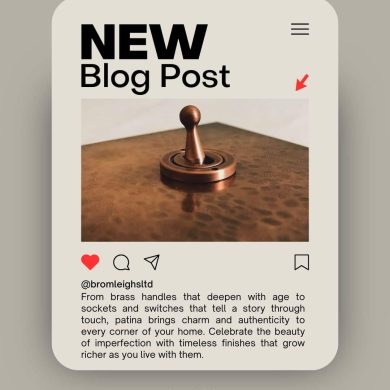
When it comes to designing a home, most people think about the big elements first - flooring, paint colours, cabinets, maybe even statement lighting. But... Continue reading

Transform your renovation with historical electrical fixtures, but can you blend vintage charm with modern tech seamlessly? Discover the surprising answer here. Continue reading

Keeping historical integrity intact, discover the art of integrating authentic electrical fixtures into heritage renovations while ensuring modern safety standards are met. Continue reading

Curious about the 7 best electrical fixtures for historic renovations? Discover options that blend charm with functionality and transform your space. Continue reading
