

No products in the cart.


When commencing a restoration project involving vintage electrical switches, you’ll need to navigate the intricate balance between aesthetics, functionality, and safety.
It’s vital to identify authentic components that can harmonise with modern systems while maintaining their historical charm.
Consider the switch’s material, design, and operational smoothness.
With the right guidance, these vintage elements can become both a visual and functional centrepiece.
What are the essential steps to guarantee they integrate seamlessly and safely?
Key Takeaways
- Examine switch types like toggle and rotary for compatibility with restoration design goals.
- Use high-quality materials and maintain smooth operation to ensure switch durability and functionality.
- Verify voltage ratings and consider retrofit kits for compatibility with modern systems.
- Perform thorough cleaning and regular maintenance to preserve both functionality and aesthetics.
- Follow local electrical codes and schedule routine inspections to maintain safety standards.
Understanding Different Types of Vintage Electrical Switches

In the domain of vintage electrical switches, understanding the various types requires a keen eye for detail and an appreciation for historical design. You’ll encounter toggle switches, known for their straightforward up-and-down motion. These switches are often celebrated for their simplicity and reliability in vintage settings. Examine their mechanical action closely; it’s essential for ensuring functionality in restoration projects. Rotary switches, on the other hand, offer a different tactile experience. With a rotational movement, these switches allow for multiple circuit connections, making them versatile for varied applications. Their intricate design demands a thorough understanding of their contact points and operational logic. By mastering these types, you’ll enhance your ability to restore vintage electrical systems with precision and authenticity.
Key Features to Look for in Vintage Switches
When evaluating vintage switches, focus on the materials and craftsmanship that define their durability and aesthetic appeal. High-quality materials like brass, porcelain, or Bakelite indicate superior material quality, guaranteeing longevity and resistance to wear. Inspect the switch’s mechanical parts; they should operate smoothly and exhibit minimal corrosion. This reflects good maintenance and quality construction.
Design aesthetics are equally important. Look for switches with ornate detailing or unique shapes indicative of their period. Art Deco or Victorian styles, for example, have distinct design elements that enhance historical accuracy in restorations. Pay attention to the finish; authentic patina adds character but should not compromise functionality. Examine the switch’s condition closely to confirm it aligns with your restoration’s design goals.
How to Source Authentic Vintage Switches

Evaluating the quality and design of vintage switches remains essential, but sourcing authentic pieces presents its own challenges. To find genuine items, explore vintage switch markets where sellers often have in-depth knowledge. Online auctions offer another avenue but require scrutiny to verify authenticity. Always cross-reference sellers’ reputations and item specifics.
Here’s a concise comparison of sourcing options:
| Source Type | Pros | Cons |
|---|---|---|
| Vintage Switch Markets | Direct examination, expert sellers | Limited geographical reach |
| Online Auctions | Wide selection, convenient | Risk of counterfeit items, requires verification |
| Estate Sales | Potential for unique finds, often less competition | Unpredictable availability, time-consuming |
Using these methods strategically improves the likelihood of acquiring genuine switches. Prioritise due diligence to guarantee authenticity and condition.
Compatibility With Modern Electrical Systems
Although vintage electrical switches can add character and charm to your home, verifying their compatibility with modern electrical systems is essential. You must evaluate the voltage and current ratings of your vintage switches against today’s standards. Many original vintage switches may not meet the safety requirements or handle the electrical loads of contemporary devices.
To achieve vintage compatibility, consider modern adaptations. Retrofit kits or conversion plates can help integrate these switches into existing wiring systems. Inspect the switch’s internal mechanisms, as outdated insulation or connections could pose risks. Confirm earthing is adequate to prevent electrical hazards. Upgrading internal components while preserving the external aesthetic is a practical approach. Consulting with a qualified electrician can also confirm a seamless integration into your current electrical framework.
Restoration and Maintenance Tips for Vintage Switches

When restoring vintage switches, start by thoroughly cleaning them to guarantee peak functionality and longevity. Use appropriate cleaning agents to remove dust and corrosion, paying attention to delicate components. For repairing common issues, such as loose connections or worn contacts, inspect each part closely and replace or tighten as necessary to maintain electrical safety and performance.
Cleaning Vintage Switches
Proper cleaning of vintage electrical switches is essential for both functionality and preservation. When dealing with vintage materials, select cleaning techniques that respect the switch’s integrity. Begin by disconnecting the power to ensure safety. Use a soft, lint-free cloth to gently remove surface dust. For stubborn grime, a mixture of distilled water and mild soap is effective. Dampen the cloth slightly; excess moisture can damage delicate components. Avoid abrasive pads that might scratch or wear down the surface. Pay close attention to the contacts—clean them with a contact cleaner specifically designed for electrical components. Test the switch’s operation after cleaning. Confirming the use of compatible cleaning materials and techniques will prolong the life and enhance the performance of your vintage switches.
Repairing Common Issues
Once your vintage electrical switches are clean, the next step involves addressing any common issues that might affect their performance. Start by assessing switch functionality and switch aesthetics. Inspect for wear or corrosion, which can impair operation.
| Problem | Cause | Solution |
|---|---|---|
| Flickering | Loose connections | Tighten screws |
| Inconsistent | Corroded contacts | Clean with fine sandpaper |
| Aesthetic wear | Discoloured material | Polish or repaint |
Ensure all components are securely fastened to maintain switch integrity. If the switch feels loose or stiff, gently disassemble and lubricate the internal mechanism. Replace any worn-out parts that compromise the switch’s efficiency. When restoring, preserving both functionality and aesthetics is essential. Regular maintenance will extend the life of your vintage switches, combining historical charm with practical use.
Safety Considerations When Using Vintage Electrical Switches
When using vintage electrical switches, you must inspect the wiring condition carefully to ensure there are no frays or damages that could pose a risk. It’s critical to verify that all components are properly earthed to prevent electrical shock or short circuits. Regularly checking these elements ensures the safe and reliable operation of your vintage switches.
Inspect Wiring Condition
Ensuring safety begins with a meticulous examination of the wiring condition in vintage electrical switches. Assess the wiring integrity by inspecting for any signs of fraying, corrosion, or exposed wires. These indicators might compromise the functionality and safety of the switch. Pay close attention to the insulation quality. It should be intact and free of cracks or brittleness, which degrade over time and pose a risk of electrical failure or short circuits.
Use a multimeter to test continuity, confirming the absence of breaks in the wiring. Replace any faulty or outdated wires with modern equivalents that comply with current safety standards. Always prioritise precision in your inspection to guarantee these components operate reliably within their intended application. Your diligence in this aspect is vital for safe operation.
Ensure Proper Grounding
Grounding vintage electrical switches is essential for guaranteeing safety and preventing electrical hazards. You need to use effective grounding techniques to protect against faults. First, identify appropriate grounding materials like copper wires or grounding screws to connect the switch to the grounding system. Ascertain the grounding path is continuous and meets current electrical codes. Here’s a quick guide:
| Aspect | Recommendation |
|---|---|
| Grounding Material | Use copper wires |
| Grounding Connection | Secure with screws |
| Continuity | Verify with a multimeter |
| Code Compliance | Follow local regulations |
| Inspection Frequency | Annually |
Always verify the grounding system by testing with a multimeter. This guarantees the path is functional and reduces risk. Regular inspections help maintain the integrity of your vintage electrical setup. Prioritise safety by adhering to these grounding techniques and materials.
Frequently Asked Questions
How Can I Identify the Manufacturer of a Vintage Electrical Switch?
To identify the manufacturer of a vintage electrical switch, first examine the switch for any identifying logos. These can often be found on the switch’s face or backplate. Pay close attention to the switch materials; different manufacturers used distinct materials like Bakelite or porcelain. Compare these findings with known manufacturer characteristics. Analysing these aspects precisely will help you deduce the switch’s origin efficiently.
Are Vintage Electrical Switches More Valuable in Certain Colors or Designs?
When evaluating vintage switch colours and design rarity, you’ll find that certain colours or designs can indeed increase value. Collectors often seek out rare hues or unique patterns, as these stand out in a collection. For example, switches in uncommon colours like teal or with intricate designs can attract higher bids. Analyse the market trends and historical significance to determine which vintage switches are prized for their distinct aesthetic appeal and rarity.
What Is the Typical Lifespan of a Vintage Electrical Switch?
When evaluating the typical lifespan of a vintage electrical switch, you should consider several lifespan factors. Switch durability largely depends on materials used, environmental conditions, and frequency of use. Typically, a well-maintained vintage switch might last 40-60 years. However, exposure to moisture or excessive wear can shorten this. Regular inspections for wear and tear, alongside proper maintenance, will help maximise their longevity, ensuring your switch keeps functioning reliably.
Can Vintage Electrical Switches Be Customized or Modified?
You can customise vintage electrical switches by incorporating custom designs and functional upgrades. First, assess the switch’s material and design compatibility with modern components. For custom designs, consider replacing external elements like plates or knobs. Functional upgrades might involve updating internal mechanisms to meet current safety standards while maintaining the vintage aesthetic. Carefully analyse the switch’s structure to guarantee any modifications don’t compromise its integrity or functionality.
Do Vintage Electrical Switches Require Special Insurance or Permits?
When considering vintage electrical switches, you’re likely wondering about insurance requirements and permit regulations. It’s essential to check local codes, as they may mandate specific insurance coverage or permits due to safety concerns. Consult your insurance provider to confirm you’re covered for any liabilities that might arise. Additionally, verify with local authorities if modifications or installations require permits to comply with regulations, guaranteeing your project meets all legal standards.


Related posts

Renovating or upgrading electrics in old properties often comes with a familiar challenge: shallow back boxes hidden behind thick plaster, solid masonry or uneven walls.... Continue reading
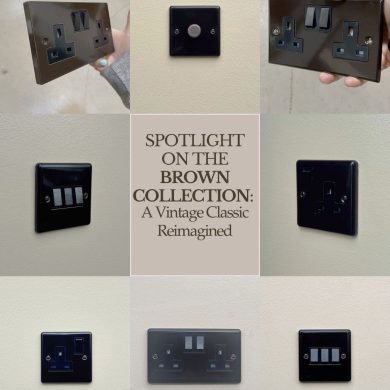
For anyone renovating a period property, the smallest details often carry the greatest weight. Original fixtures (especially electrical hardware) help preserve the character and authenticity... Continue reading

At Bromleighs, every collection tells a story of British craftsmanship and the Forge Collection is one of our most characterful. Inspired by traditional metalworking and... Continue reading

Renovating a period home is about more than modern upgrades - it’s about honouring history while creating a space that feels timeless and personal. In... Continue reading
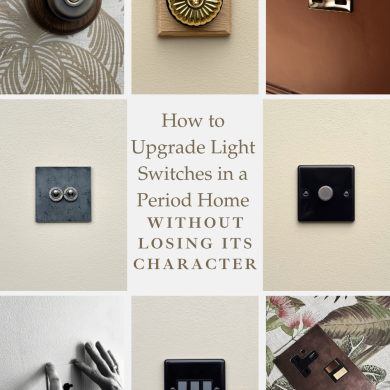
Owning a period property is like holding a piece of living history. Whether it’s a Georgian terrace, a Victorian villa or an Arts & Crafts... Continue reading