

No products in the cart.


When you’re selecting vintage light switch replicas, authenticity is key.
You must explore historical designs to guarantee your choices reflect the era’s true craftsmanship. Consider materials like aged brass or ceramic that capture early 20th-century charm.
But don’t overlook modern compatibility; these switches need to meet today’s electrical standards. Balancing aesthetic appeal with functionality is essential.
Curious about how to seamlessly integrate these pieces into your décor?
Key Takeaways
- Ensure vintage replicas reflect historical authenticity by matching original designs and craftsmanship.
- Select materials like brass or ceramic for a genuine vintage feel and consider their durability.
- Balance aesthetic appeal with functional compatibility with contemporary wiring standards.
- Source from reputable manufacturers that adhere to quality and safety standards.
- Prioritise electrical safety and proper installation techniques to maintain historical integrity.
Understanding the Importance of Authenticity

When selecting vintage light switch replicas, understanding their authenticity is essential for achieving an accurate historical representation. You must guarantee that the craftsmanship mirrors the original designs. Authentic craftsmanship involves detailed attention to the materials and techniques used in the past, often reflecting the unique characteristics of a specific period. Vintage reproduction should embody the intricate patterns and finishes that were prevalent during the era you’re emulating. By focusing on true-to-period materials and construction methods, you can capture the essence of historical aesthetics. Scrutinise the details of the switch, from its tactile feel to the visual nuances, ensuring fidelity to the original models. This dedication to authenticity not only preserves historical integrity but also enhances the overall ambience of your restoration project.
Identifying the Right Era for Your Project
How do you determine the right era for your vintage light switch project? First, consider the architectural style of the space. Each style aligns with specific vintage trends, ensuring your switches complement the overall décor. Next, research era characteristics to understand the unique design elements prevalent in different periods. This knowledge will guide you in selecting replicas that accurately reflect the era’s ethos. Finally, examine historical records or photographs of similar projects for inspiration. This will provide visual cues and insights into authentic switch designs of the time.
Here’s how to proceed:
- Identify the architectural style: Match it with corresponding vintage trends.
- Research historical design elements: Differentiate between era characteristics.
- Study historical references: Use them to inspire your selection process.
Materials and Finishes to Consider

As you explore the world of vintage light switch replicas, understanding the materials and finishes is vital for achieving an authentic look. Brass finishes often evoke the elegant charm of early 20th-century décor, a time when this material was prized for its durability and beauty. Look for aged or polished brass options to complement your period-specific interiors. Meanwhile, ceramic options are quintessential for evoking the early electrical innovations of the late 1800s and early 1900s. These materials not only add historical accuracy but also enhance the tactile experience. Consider the patina and texture that develop over time, lending character to your space. Selecting the right combination of materials and finishes guarantees your light switches feel genuinely vintage.
Comparing Different Styles and Designs
When comparing vintage light switch replicas, you’ll notice the distinct geometric flair of Art Deco switch aesthetics, which capture the opulence of the early 20th century. Consider whether a toggle or rotary mechanism suits your needs, as each offers a unique tactile experience and historical significance—toggles often reflecting early electrical innovations and rotaries harking back to a time of elegant simplicity. Pay attention to the material and finish options, as these elements can dramatically influence both the functionality and visual harmony of your design space.
Art Deco Switch Aesthetics
Exploring Art Deco switch aesthetics unveils a realm where geometry, luxury, and innovation coalesce in striking harmony. This movement, originating in the 1920s and 30s, continues to influence design trends today. Art Deco switches are characterised by sleek lines, bold geometric patterns, and opulent materials such as chrome and glass. To choose the ideal vintage replica, consider the following:
- Materials: Opt for authentic materials that encapsulate the era, such as brass and Bakelite, which add a touch of nostalgia.
- Colour Palette: Rich hues like deep greens, blues, and golds represent the opulence of the Art Deco period and can enhance any space.
- Patterns and Shapes: Look for switches with stepped forms or sunburst motifs, which are quintessential to the Art Deco style.
These elements guarantee a timeless and elegant addition to your home.
Toggle vs. Rotary Mechanisms
Toggle and rotary mechanisms each offer distinct functionalities and aesthetic experiences in vintage light switch replicas, setting the stage for a thoughtful selection. Toggle switches, with their straightforward up-and-down toggle operation, evoke mid-century modern design, offering a tactile interaction that’s familiar yet nostalgically charming. They hearken back to an era where simplicity and functionality were paramount. In contrast, rotary switches provide a unique rotary feel, reminiscent of early 20th-century craftsmanship. These switches require a gentle twist to activate, offering a more deliberate and ceremonious experience. Historically, rotary mechanisms were popular in the Victorian and Edwardian periods, celebrated for their elegance and intricate designs. Choosing between these styles depends on the historical era you wish to capture and the sensory interaction you desire.
Material and Finish Options
Having explored the tactile interplay of toggle and rotary mechanisms, it’s important to contemplate the material and finish options that breathe life into vintage light switch replicas. Your choice reflects historical accuracy and personal style. Here are three primary considerations:
- Brass Finishes: Embrace the timeless elegance of brass, which has been a staple in traditional homes. Its warm glow adds a touch of luxury and authenticity to any room.
- Ceramic Materials: Renowned for their durability and classic appearance, ceramic switches were prevalent in early 20th-century homes. They offer a smooth, tactile surface that’s hard to resist.
- Mix and Match: Consider combining brass finishes with ceramic materials to create a unique aesthetic that marries both durability and elegance, echoing the craftsmanship of yesteryears.
Evaluating Quality and Durability
When evaluating the quality and durability of vintage light switch replicas, it is essential to focus on material composition and craftsmanship. Authentic vintage switches often employed robust craftsmanship techniques, using materials like bakelite or brass renowned for their resilience. Replicas should mirror these historical elements to guarantee authenticity and durability. Examine the joinery and finishing techniques; these are tell-tale signs of a well-crafted piece. Longevity considerations include evaluating the switch’s resistance to wear over time. Look for replicas that incorporate modern improvements without compromising historical integrity. A replica that blends traditional aesthetics with durable materials will stand the test of time. By paying attention to these details, you can ensure your vintage light switch replica is both beautiful and enduring.
Sourcing From Reputable Manufacturers

After evaluating the quality and durability of vintage light switch replicas, turning your attention to sourcing from reputable manufacturers is the next logical step. It’s essential to select reputable suppliers who adhere to strict manufacturing standards, ensuring authenticity and longevity in every piece. Here’s how to proceed:
- Research Historical Accuracy: Look for manufacturers that replicate designs true to the original period, maintaining the historical integrity of your project.
- Check Manufacturing Standards: Verify that suppliers meet rigorous quality benchmarks, ensuring each switch functions reliably and safely.
- Read Reviews and Testimonials: Gather insights from other customers to understand the supplier’s reputation and commitment to excellence.
Balancing Aesthetic and Functional Needs
When selecting vintage light switch replicas, it’s essential to guarantee that the design and style harmonise with your home’s existing decor while respecting historical accuracy. Pay close attention to the materials used, as they should not only replicate the authentic feel but also offer durability to withstand modern usage. Additionally, confirm that these replicas are compatible with contemporary wiring standards to seamlessly integrate into your home’s electrical system.
Design and Style Harmony
When selecting vintage light switch replicas, it’s crucial to achieve design and style harmony by balancing aesthetic appeal with functional needs. You need to take into account how these switches complement your home’s design trends and vintage inspirations. To guarantee a seamless integration, focus on the following:
- Historical Accuracy: Choose designs that reflect the era your home represents, capturing authentic vintage aesthetics without sacrificing modern convenience.
- Colour and Finish: Match the switch colour and finish with existing décor elements, ensuring the switches do not clash but enhance your interior’s cohesive look.
- Design Consistency: Maintain a consistent style throughout your home, aligning replicas with other fixtures and fittings to create a unified, harmonious environment.
Material and Durability
To achieve a perfect blend of aesthetic charm and practical functionality in vintage light switch replicas, focus on the materials used in their construction. Material types are essential in capturing the authentic look and ensuring longevity. Brass and porcelain were historically popular, valued for their elegance and resilience. Today, these materials remain favoured not only for their historical accuracy but also for their enduring durability factors. While brass offers a timeless patina that ages gracefully, porcelain provides a smooth, classic finish resistant to wear. Modern replicas might also incorporate durable plastics or metals like stainless steel to enhance lifespan without sacrificing vintage appeal. Consider the environment in which the switch will be used to select the most suitable material for both aesthetic and function.
Compatibility With Wiring
Although choosing vintage light switch replicas primarily for their aesthetic appeal is tempting, verifying their compatibility with modern wiring systems is crucial. Historical designs often lack the wiring compatibility required today. You need to balance style with safety standards for seamless integration. Here’s how:
- Check Voltage Ratings: Verify the switch supports your home’s voltage to prevent electrical hazards.
- Inspect Earthing Requirements: Modern switches require earthing; verify if your chosen replica can accommodate this critical safety feature.
- Confirm Wiring Type Compatibility: Some replicas may not support contemporary wiring types, such as knob-and-tube or aluminium. Make sure the switch aligns with your existing wiring setup.
Installation Tips for Vintage Replicas
When installing vintage light switch replicas, it is essential to approach the task with both care and historical awareness. First, familiarise yourself with proper installation techniques. This includes turning off power at the circuit breaker and confirming compatibility with existing wiring. Don’t overlook safety precautions—use insulated tools and verify connections. Respect the craftsmanship of bygone eras by ensuring each switch is level and secured firmly.
| Step | Emotion Evoked | Historical Context |
|---|---|---|
| Power Off | Caution | Prevents electrical mishaps, respecting old safety standards |
| Verify Fit | Satisfaction | Authenticity in matching historical designs |
| Secure Switch | Pride in Craftsmanship | Honours traditional installation methods |
| Test Function | Relief | Assures the switch operates as intended, preserving historical integrity |
These steps not only promise functionality but also honour the history embodied in each switch.
Frequently Asked Questions
How Do I Ensure the Replica Switch Is Compatible With Modern Wiring?
To ensure your replica switch is compatible with modern wiring, first verify it meets current wiring standards by checking its specifications. Review installation tips to understand any required adjustments. Remember, vintage-style switches might not align perfectly with today’s safety protocols, so consult a professional if needed. Historically, older systems had different requirements, so adapting your replica while maintaining historical accuracy involves careful attention to both aesthetic detail and safety regulations.
Can Vintage Light Switch Replicas Be Used in Outdoor Settings?
When considering vintage light switch replicas for outdoor use, you must ensure they have outdoor durability and weather resistance. Historically, original switches were not designed for exposure to the elements. Therefore, modern replicas should be specifically crafted for outdoor settings, incorporating materials such as rubber gaskets or seals, enhancing their resilience against moisture and temperature fluctuations. Always verify if the replica aligns with modern safety standards to guarantee a safe, functional, and historically accurate installation.
Are There Energy-Efficient Options for Vintage Light Switch Replicas?
You’re wondering about energy-efficient options for vintage light switch replicas, aren’t you? Well, many modern replicas now incorporate energy-saving technologies. They use sustainable materials that not only replicate the historical aesthetics but also support environmental initiatives. Manufacturers often design them with advanced electrical components to guarantee efficiency without compromising on style. These switches blend historical context with today’s eco-friendly demands, providing a perfect solution for those seeking authenticity and sustainability in their home.
Do Vintage Replicas Offer Smart Home Integration Features?
You’re exploring whether vintage replicas can integrate with smart home systems. While maintaining vintage aesthetics, some replicas now include smart technology. They blend historical charm with modern convenience, allowing you to control them via apps or voice assistants. However, not all replicas offer these features, so check specifications carefully. This innovation bridges the past and present, ensuring your home stays both stylish and connected with the latest technological advancements.
How Do I Maintain and Clean Vintage Light Switch Replicas?
To maintain and clean vintage light switch replicas, gently dust them with a soft, dry cloth regularly. Avoid harsh chemicals, as they can damage the finish. For deeper cleaning, use a mild soap solution on a damp cloth, ensuring it’s well wrung out. Periodically check for loose screws or fading finishes. These cleaning methods and maintenance tips preserve their historical charm while ensuring functionality. Consistent care keeps them looking authentic and operational.


Related posts
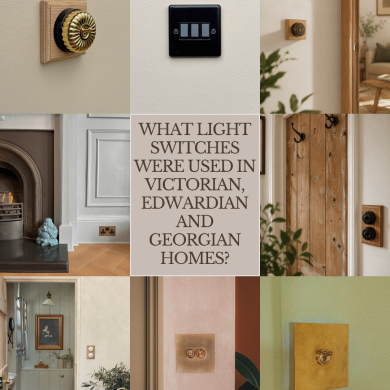
When restoring a period property, it is often the smaller details that make the biggest difference. Light switches and sockets might seem insignificant compared with... Continue reading
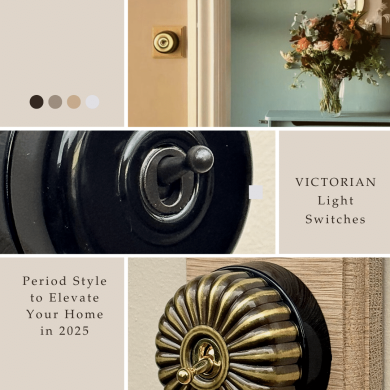
In the world of interior design, it’s often the smallest details that make the greatest impact. One such detail (humble yet transformative) is the light... Continue reading
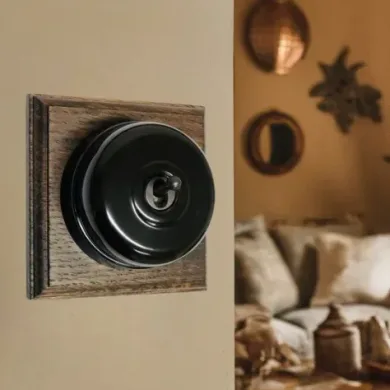
Did you catch our latest article? We've explored how the light switch has evolved over the years, from candlelight to the very first electric light,... Continue reading

Uncover the truth behind light switch designs: are they genuine echoes of the past or mere imitations? Discover the secrets now. Continue reading

Perfecting vintage light switch reproductions involves meticulous material selection, craftsmanship, and safety compliance—what's the secret to capturing their timeless allure? Continue reading