

No products in the cart.
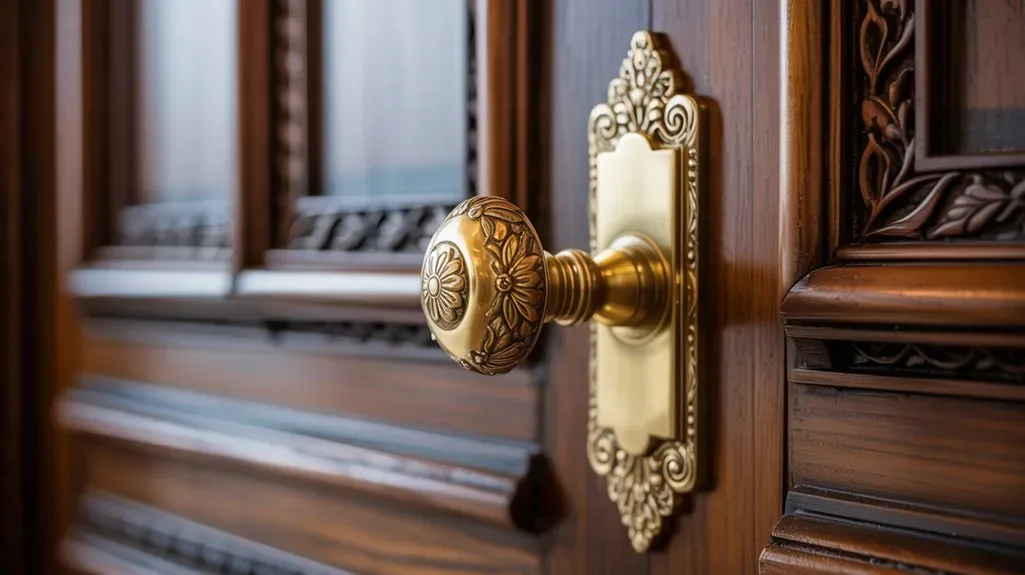

You are exploring heritage home fixture replicas, which are precise reproductions of historical architectural elements.
These replicas are crucial for maintaining authenticity in heritage restorations, using materials and techniques that mirror the originals. They ensure that the charm and historical integrity of the home remain intact.
But how do these replicas balance tradition with modern needs, and what challenges arise in crafting them? Your curiosity piques as you consider their role in preserving history.
Key Takeaways
- Heritage home fixture replicas are designed to mimic original historical fixtures, preserving architectural integrity and authenticity in renovations.
- They maintain the aesthetic appeal and functionality of historic homes while adhering to original design principles.
- Replicas contribute to the cultural and historical significance of heritage projects and enhance educational value.
- They use historically accurate materials and techniques, such as oak, mahogany, shellac, and hand-rubbed oils, to replicate fixtures accurately.
- Replicas are cost-effective, eco-friendly alternatives to antiques, balancing authenticity with financial constraints in modern settings.
Importance of Authenticity in Heritage Restorations

When restoring heritage homes, guaranteeing authenticity is essential because it preserves the historical integrity and cultural significance of these structures. You must prioritise using authentic materials to maintain the original charm and craftsmanship that define these homes. Historical accuracy is vital; it’s not just about aesthetics but also about respecting the era’s construction techniques and cultural context. By using authentic materials, you help safeguard the building’s narrative, allowing future generations to appreciate its historical essence. Authenticity in restoration projects serves as an educational tool, offering insight into past architectural styles and societal values. It’s your responsibility to guarantee that each restoration decision aligns with preserving the structure’s original character, reinforcing the importance of authenticity in heritage home restorations.
Materials and Techniques Used in Replicas
Crafting replicas for heritage home restorations demands meticulous attention to both materials and techniques. You need to choose wood types that match the original fixtures to preserve authenticity. Oak and mahogany often feature prominently due to their historical accuracy and durability. Next, consider the finishing techniques. Shellac and hand-rubbed oils can recreate the age-old patina that gives heritage fixtures their timeless appeal.
Here’s what to focus on:
- Wood Types: Select historically accurate woods like oak or mahogany.
- Finishing Techniques: Use shellac or hand-rubbed oils for authentic patina.
- Attention to Detail: Guarantee each replica mirrors the original design intricacies.
Popular Styles of Historical Electrical Fixtures

As you explore popular styles of historical electrical fixtures, you’ll encounter the opulent detailing of Victorian-era lighting, characterised by intricate metalwork and elaborate glass designs. Art Deco fixture revival brings a sense of bold geometry and streamlined forms that capture the elegance of the early 20th century. Meanwhile, Mid-Century Modern influences offer a minimalist approach with clean lines and functional shapes, reflecting a shift towards simplicity and practicality in design.
Victorian-Era Lighting Designs
When exploring Victorian-era lighting designs, you’ll find that these fixtures reflect a fascinating blend of elegance and innovation that marked the period. This era, characterised by its Victorian aesthetics, saw a significant lighting evolution. The shift from gas to electric lighting brought intricate detailing and artistic craftsmanship into homes.
- Gasoliers and Chandeliers: These were ornate, often featuring brass, glass, and crystal, showcasing the opulence of the Victorian aesthetics.
- Wall Sconces: They demonstrated the evolution of lighting by incorporating both gas and electric functionalities, symbolising a time of technological advancement.
- Table and Floor Lamps: These portable fixtures were adorned with fringed lampshades and elaborate bases, combining functionality with decorative appeal.
Each piece reflects a unique historical context, contributing to the era’s distinct charm.
Art Deco Fixture Revival
The allure of the Victorian era’s lighting designs paves the way for the vibrant resurgence of Art Deco fixtures, which captivate with their geometric elegance and bold forms. Art Deco inspiration draws from the innovative spirit of the 1920s and 1930s, characterised by streamlined shapes and luxurious materials. When you consider incorporating these pieces into your home, you’re embracing a style that strikes a balance between opulence and functionality. The vintage aesthetics of Art Deco fixtures are defined by their distinctive use of chrome, glass, and polished wood. They often feature symmetrical patterns and vibrant motifs that infuse any space with a sense of timeless sophistication. By choosing these fixtures, you’ll revive an era that cherished both artistic expression and modernity.
Mid-Century Modern Influences
When exploring the domain of Mid-Century Modern influences on historical electrical fixtures, you’ll find a unique blend of practicality and inventive design. This era is renowned for its mid-century aesthetics, emphasising simplicity and functionality without sacrificing style. Iconic designs from this period often feature clean lines and geometric shapes. You’ll notice how these fixtures are both functional and sculptural, serving as art pieces within your home.
Key characteristics include:
- Use of Natural Materials: Fixtures often incorporate wood, glass, and metals, reflecting the natural world.
- Bold Colours and Patterns: Mid-century designs often feature vibrant hues, adding a pop of colour to any space.
- Innovative Forms: Designers experimented with new forms, ensuring fixtures were not only practical but also visually striking.
These elements bring a timeless appeal to any heritage home.
Benefits of Using Reproductions in Modern Homes

Although modern homes often boast sleek, minimalist designs, incorporating heritage home fixture replicas can enhance both aesthetic appeal and functionality. You benefit from the charm of historical accuracy while supporting sustainability through the use of eco-friendly materials. These replicas often utilise sustainable practices, reducing the environmental footprint compared to sourcing original antique pieces.
Consider the following advantages:
| Feature | Benefit |
|---|---|
| Eco-friendly materials | Reduces environmental impact |
| Historical accuracy | Preserves design integrity |
| Versatile designs | Complements modern interiors |
| Cost-effectiveness | More affordable than antiques |
Challenges in Creating Accurate Replicas
Incorporating heritage home fixture replicas into modern spaces offers undeniable advantages, yet creating these replicas presents its own set of challenges. Design limitations often arise when trying to replicate materials and techniques that may no longer be available or feasible. Craftsmanship challenges also play a significant role, as finding artisans with the skills to replicate intricate designs accurately can be difficult.
Consider these obstacles:
- Material Availability: Sourcing period-accurate materials can be both costly and time-consuming.
- Technical Expertise: Many artisans lack the expertise required to recreate specific historical techniques and details.
- Regulatory Compliance: Modern safety standards might restrict the use of certain traditional materials or methods.
Understanding these challenges helps you appreciate the complexity and dedication involved in creating authentic heritage home fixture replicas.
Selecting the Right Fixtures for Your Restoration Project

How do you guarantee that the fixtures you choose truly reflect the historical essence of your heritage home restoration project? Start by researching the architectural period of your home, focusing on authentic materials and designs. Ascertain that each selection aligns with your restoration budget, balancing authenticity with cost-effectiveness. Evaluate fixture functionality; even historical replicas should meet modern standards for durability and efficiency. Seek expert advice from historical architects or restoration specialists to avoid costly mistakes. Consider suppliers specialising in heritage replicas, ensuring they offer pieces that match the historical accuracy and quality you need. Finally, prioritise fixtures that maintain the home’s original charm while providing practicality. This thoughtful selection process guarantees your project stays true to its historical roots without exceeding your budget.
Frequently Asked Questions
How Can I Identify Authentic Heritage Fixtures From Replicas?
To identify authentic heritage fixtures, examine their distinguishing features and historical significance. Look for marks or engravings indicating the era or manufacturer. Authentic pieces often exhibit signs of age, such as patina or wear, which are usually absent in replicas. Research the fixture’s historical context and compare it with known originals. Replicas may lack the intricate details or craftsmanship, so a close inspection can reveal differences in materials and construction techniques.
Are Heritage Fixture Replicas More Cost-Effective Than Originals?
When you’re comparing the cost of heritage fixture replicas to originals, replicas are generally more cost-effective. They offer significant savings while maintaining aesthetic value. Originals can be prohibitively expensive due to their rarity and historical significance. Replicas, on the other hand, provide an opportunity to achieve a similar look without the hefty price tag. However, it’s essential to evaluate the quality and craftsmanship of replicas to guarantee they meet your aesthetic standards.
Do Replica Fixtures Come With Modern Safety Certifications?
When you’re considering replica fixtures, you’ll want to know if they meet modern safety standards. Many manufacturers guarantee these fixtures undergo a thorough certification process. They aim to comply with current safety standards, providing peace of mind. However, not all replicas are created equal, so it’s essential to verify the certifications yourself. Checking for approvals from recognised safety organisations will confirm that your chosen fixtures are reliable and safe for your home.
Can Replicas Be Customized to Fit Specific Design Preferences?
When exploring whether replicas can be customised, you’ll find that yes, they can. Custom design options allow you to tailor fixtures to your specific preferences, ensuring they fit seamlessly into your space. Personalised finishes are available, offering a range of materials, colours, and textures to achieve the exact look you desire. This flexibility ensures your fixtures not only replicate heritage aesthetics but also align with your unique design vision.
How Do I Maintain and Clean Heritage Fixture Replicas?
To maintain and clean your heritage fixture replicas, follow these cleaning techniques: use a soft, damp cloth for dusting to avoid scratching. For stubborn spots, apply a mild soap solution, then rinse thoroughly. Avoid abrasive cleaners that could damage finishes. Maintenance tips include regular inspection for wear, tightening loose components, and checking for tarnish. Ensure proper ventilation to prevent moisture build-up, which can lead to corrosion. Regular upkeep preserves their beauty and functionality.


Related posts
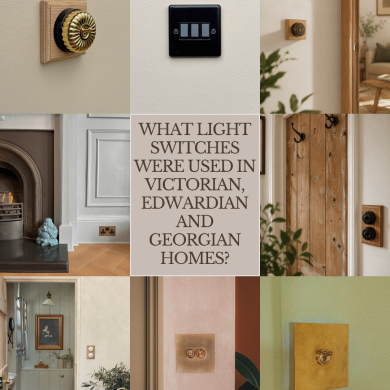
When restoring a period property, it is often the smaller details that make the biggest difference. Light switches and sockets might seem insignificant compared with... Continue reading
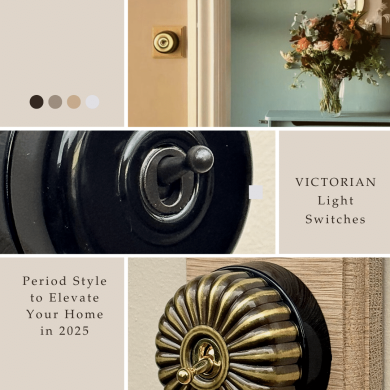
In the world of interior design, it’s often the smallest details that make the greatest impact. One such detail (humble yet transformative) is the light... Continue reading
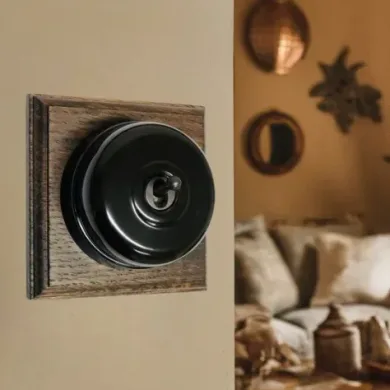
Did you catch our latest article? We've explored how the light switch has evolved over the years, from candlelight to the very first electric light,... Continue reading

Uncover the truth behind light switch designs: are they genuine echoes of the past or mere imitations? Discover the secrets now. Continue reading

Perfecting vintage light switch reproductions involves meticulous material selection, craftsmanship, and safety compliance—what's the secret to capturing their timeless allure? Continue reading