

No products in the cart.


When working on heritage projects, you’re tasked with preserving the soul of history, and choosing period-style socket covers is an essential part of that mission.
These covers aren’t just decorative; they reflect the architectural nuances of a bygone era, ensuring that every detail aligns with historical authenticity.
By selecting the right materials and designs, you maintain cultural integrity whilst meeting modern safety standards.
Curious about how to seamlessly integrate these elements?
Key Takeaways
- Period-style socket covers preserve the historical charm and authenticity of heritage properties.
- Materials such as brass and wood are commonly used for crafting authentic period-style socket covers.
- Balancing historical integrity with modern safety standards is crucial for period-style socket covers.
- Replica socket covers enhance historical aesthetics whilst ensuring modern functionality and safety.
- Supplier reputation and product authenticity are key when choosing period-style socket cover providers.
Importance of Maintaining Historical Accuracy

When you’re restoring a historical property, maintaining historical accuracy is essential to preserving its authentic charm and significance. Every detail, including the often-overlooked socket covers, contributes to the overall historical narrative. By focusing on period-style socket covers, you’re honouring the property’s original era and upholding the highest preservation ethics. This attention to detail not only respects the building’s historical significance but also guarantees that the restoration work remains true to its origins. Historical significance isn’t just about aesthetics; it’s about understanding and preserving the cultural context of the time. When you choose to replicate period-appropriate elements, you’re preserving the integrity of the property, letting its story continue to educate and inspire future generations.
Understanding Different Architectural Periods
When you explore different architectural periods, pay close attention to the key style characteristics that define each era, such as the ornate details of Victorian design or the clean lines of Mid-Century Modern. Influential historical design elements, like the intricate woodwork of the Georgian period or the bold colours of Art Deco, serve as essential guides to authentic replication. Understanding these nuances guarantees that your period-style socket covers complement the architectural integrity of your space.
Key Architectural Style Characteristics
Although architectural styles have evolved over centuries, each period offers a distinct set of characteristics that define its unique charm and influence. Gothic architecture, with its pointed arches and intricate tracery, reflects mediaeval Europe’s fascination with verticality and light. The Renaissance era reintroduced classical elements like symmetrical proportions and columns, showcasing a profound appreciation for ancient Rome and Greece. Baroque architecture, known for its grandeur and drama, integrates bold sculptural forms and opulent details. Victorian style mixes elements from various periods, illustrating the design evolution of the Industrial Age. Understanding these architectural influences helps you authentically select socket covers that complement heritage projects. Each style tells a story, and by recognising these characteristics, you guarantee your project remains true to its historical roots.
Influential Historical Design Elements
Exploring influential historical design elements provides a deeper appreciation for the architectural periods that have shaped our built environment. When examining these eras, one will notice how Victorian influences and Georgian aesthetics have left an indelible mark on architectural styles. Recognising these elements aids in selecting period-style socket covers that align with heritage projects.
- Victorian Influences: Emphasise ornate details, intricate patterns, and rich textures.
- Georgian Aesthetics: Focus on symmetry, proportion, and classic elegance.
- Material Use: Look for materials such as brass and wood, common in historical designs.
- Colour Palette: Opt for muted tones, like pastels or earth colours, reflecting period-specific choices.
- Craftsmanship: Appreciate hand-crafted details, showcasing the artistry of the era.
Common Materials Used in Period-Style Socket Covers

Craftsmanship takes centre stage when selecting the perfect materials for period-style socket covers. You’ll encounter a variety of choices, each offering distinct advantages. Wooden finishes bring warmth and authenticity, echoing the charm of past eras. They’re ideal if you’re aiming for a classic look, blending seamlessly with vintage interiors. On the other hand, metal options provide durability and a sleek, timeless appeal. They’re perfect for those seeking a more industrial or polished aesthetic.
Consider these materials:
| Material Type | Key Benefits |
|---|---|
| Wooden | Warmth, Authenticity |
| Metal | Durability, Timelessness |
Your choice hinges on the desired visual impact and historical accuracy of your project. With careful selection, you’ll guarantee your socket covers enhance the period style you cherish.
Techniques for Crafting Authentic Reproductions
As you consider the materials for period-style socket covers, the techniques used in crafting authentic reproductions play a pivotal role in achieving historical accuracy. You’ll need to utilise specific crafting techniques that mirror the craftsmanship of the era you’re emulating. This involves understanding the nuances of reproduction materials and their compatibility with authentic designs.
- Hand-carving: Embrace traditional hand-carving to replicate intricate patterns.
- Aging finishes: Apply patinas or varnishes that mimic the aged appearance of originals.
- Mould casting: Create detailed moulds from period pieces for precise replication.
- Material selection: Use historically accurate woods and metals that reflect the period.
- Joinery methods: Implement traditional joinery techniques to guarantee structural authenticity.
Selecting the Right Socket Covers for Your Project

When choosing the right socket covers for your project, how do you guarantee they perfectly complement the historical era you’re aiming to replicate? First, explore the intricacies of socket design specific to your period of interest. Each era has its unique characteristics—Victorian, Art Deco, or Edwardian—requiring attention to detail to confirm authenticity. Examine materials used during the period; brass, porcelain, or even Bakelite could be indicative of different times.
Next, focus on the period aesthetics. Look for intricate detailing, colour palettes, and shapes that align with historical designs. Researching original artefacts or consulting historical references can guide your selection process. By considering these factors, you’ll confirm that your socket covers not only fit the functional requirements but also enhance the authentic charm of your heritage project.
Challenges in Finding Period-Compatible Hardware
When you’re trying to match period-compatible hardware with modern standards, authenticity often clashes with practicality. You’ll find that genuine pieces are scarce, with limited sources often leading to higher costs. Balancing these factors requires a keen eye for detail and a willingness to invest in pieces that honour historical integrity.
Authenticity vs. Modern Standards
While aiming for historical accuracy in period-style socket covers, you often face the challenge of balancing authenticity with modern safety and efficiency standards. Authentic design demands attention to historical detail, but modern compliance requires adherence to updated regulations. It’s vital to guarantee that while maintaining an authentic appearance, your socket covers also meet today’s safety codes.
Consider these aspects:
- Material Selection: Use materials that replicate the original while meeting contemporary safety guidelines.
- Colour Accuracy: Match historical colours but use durable, compliant finishes.
- Design Features: Include authentic details while integrating modern safety features.
- Installation Methods: Opt for techniques that honour tradition yet align with current standards.
- Energy Efficiency: Guarantee sockets accommodate modern energy-saving devices without compromising historical integrity.
Balancing these elements guarantees a faithful yet safe restoration.
Limited Availability Sources
As you endeavour to balance authenticity with modern standards, another challenge emerges: sourcing period-compatible hardware. You’re likely to encounter sourcing challenges due to limited supply sources. Authentic materials and designs for period-style socket covers can be scarce. Whether you’re restoring a Victorian mansion or a mid-century modern home, finding the right hardware requires patience and resourcefulness. Here’s a glimpse into potential sources:
| Source Type | Availability |
|---|---|
| Architectural Salvage Yards | Limited, varied by region |
| Speciality Online Retailers | Moderate, niche selections |
| Antique Shops | Unpredictable, unique finds |
| Custom Fabricators | Customisable, costly |
| Local Craftsmen | Personalised, limited expertise |
Navigating these options demands a keen eye for detail and a commitment to maintaining historical integrity.
Cost Implications
Delving into the world of period-compatible hardware, the cost implications quickly become apparent. Manoeuvring through these challenges involves careful cost analysis and budget considerations. Authentic period-style socket covers can be scarce, driving up prices. As you explore options, keep these factors in mind:
- Scarcity: Genuine items are rare, leading to steeper costs.
- Material Quality: Higher quality often means higher expense, but guarantees authenticity.
- Customisation Needs: Tailored solutions can escalate costs considerably.
- Sourcing Channels: Different suppliers offer varying prices; research can yield savings.
- Restoration Requirements: Additional restoration might be necessary, impacting budget.
Balancing authenticity with financial realities requires strategic planning and creative sourcing. By understanding these elements, you’ll effectively manage your project’s budget while preserving its historical integrity.
Benefits of Using Replica Socket Covers in Heritage Sites
When preserving the authenticity of heritage sites, incorporating replica socket covers can greatly enhance their historical aesthetic. By using replica materials, you are able to maintain the historical significance of the site while subtly blending modern necessities with the past. These covers are crafted to reflect the original designs, ensuring that no detail is overlooked. Whether your project involves a Victorian mansion or an Art Deco theatre, choosing period-appropriate designs helps you honour the site’s original charm and character.
Replica socket covers provide an invaluable way to respect tradition without compromising on function. You will find that they contribute to a seamless visual continuity, allowing visitors to step back in time and experience the site as it might have been in its heyday.
Integrating Modern Safety Standards With Period Features

When you are working to combine the charm of period-style socket covers with today’s stringent safety standards, it is vital to find the right balance between aesthetics and protection. You will want to choose materials that not only capture the authentic look of the era but also meet modern compliance requirements. Proper installation techniques are essential to guarantee that these covers not only look the part but also function safely in any setting.
Balancing Aesthetics and Safety
When integrating modern safety standards with period features, you’ll find that balancing aesthetics and safety in period-style socket covers can be a meticulous yet rewarding endeavour. You must carefully consider every detail to guarantee your design maintains historical integrity while meeting contemporary safety standards. Here are some things to keep in mind:
- Aesthetic Considerations: Choose designs that reflect the period’s essence without sacrificing function.
- Safety Standards Compliance: Guarantee all materials and designs meet current electrical codes.
- Authentic Reproduction: Use historically accurate designs that don’t compromise on safety.
- Customisation Options: Tailor socket covers to blend seamlessly with existing period decor.
- Functional Durability: Select materials that provide longevity and safety assurance.
Materials for Authentic Look
To achieve an authentic look in period-style socket covers, it is vital to choose materials that not only reflect the aesthetics of the era but also meet modern safety standards. You’ll want to take into account traditional materials like brass, porcelain, or aged wood, which provide a sense of historical accuracy. These materials embody period aesthetics, offering a tactile and visual connection to the past. However, integrating these with contemporary safety features is essential. Look for materials treated with fire-retardant coatings or those designed to withstand current electrical regulations. By doing so, you’ll guarantee that the socket covers don’t just look the part but are also safe for modern use. Balancing authenticity and safety will enhance any heritage project’s integrity.
Installation Techniques and Compliance
Installing period-style socket covers may appear straightforward, but ensuring they adhere to modern safety standards while preserving historical integrity requires meticulous attention to detail. You will encounter installation challenges when combining old-world aesthetics with today’s compliance regulations. To effectively navigate these complexities, consider the following:
- Research compliance codes to ensure that your installation meets current electrical safety standards.
- Select appropriate mounting hardware that does not compromise the structural integrity of the heritage elements.
- Use compatible materials that blend seamlessly with the original architecture yet fulfil modern safety requirements.
- Consult specialists in heritage conservation who understand both the historical context and modern compliance needs.
- Document modifications meticulously to provide a clear trail for future maintenance and inspection purposes.
Notable Case Studies of Heritage Restoration Projects

Explore the fascinating world of heritage restoration projects where history meets innovation. You’ll discover how experts meticulously balance heritage significance with modern needs. Take the restoration of the Battersea Arts Centre in London, for instance. The use of subtle restoration techniques guaranteed the building’s original charm was preserved whilst integrating modern amenities like period-style socket covers. Meanwhile, the Rijksmuseum in Amsterdam underwent an extensive restoration that honoured its rich history through careful attention to detail, such as matching materials and design elements from its original construction. These projects exemplify the blend of tradition and technology, creating spaces that pay homage to their past whilst serving today’s functional requirements. They remind us that preserving history requires a commitment to authenticity and thoughtful adaptation.
Tips for Choosing Suppliers of Period-Style Fixtures
When beginning a heritage restoration project, finding the right suppliers for period-style fixtures is essential to maintaining the authenticity and charm of the original architecture. To guarantee success, you should focus on suppliers with a strong reputation and commitment to product authenticity. Look for:
- Supplier reputation: Choose suppliers with a proven track record in heritage projects.
- Product authenticity: Confirm they offer genuine period-style fixtures, not replicas.
- Portfolio: Review their previous work to assess consistency and quality.
- Customer reviews: Seek feedback from past clients to gauge satisfaction and reliability.
- Communication: Opt for suppliers who are responsive and knowledgeable about historical accuracy.
Frequently Asked Questions
What Is the Average Cost of Period-Style Socket Covers?
When you’re exploring the average pricing for socket covers, you’ll notice that it varies widely based on design variations. Generally, you can expect to pay between £20 to £50 per cover. The intricate designs and authentic materials can push the price higher. It’s crucial to take into account the style and historical accuracy you need, as these factors greatly impact costs. Always compare options to guarantee you’re getting the most authentic look within your budget.
How Do Period-Style Socket Covers Impact Property Value?
You’re curious about how these socket covers affect property value, aren’t you? When you invest in period-style socket covers, you’re enhancing heritage preservation and boosting property aesthetics. They add authenticity and charm that appeal to potential buyers who appreciate historical character. This attention to detail can increase your property’s marketability and perceived value. By maintaining consistent period aesthetics, you’re not just preserving history; you’re also potentially elevating your property’s worth.
Are There Eco-Friendly Options for Period-Style Socket Covers?
You’re looking for eco-friendly options for period-style socket covers, and you’ll be pleased to know there are choices that blend sustainable materials with vintage aesthetics. Manufacturers use recycled metals and responsibly sourced wood to create authentic designs without compromising on environmental responsibility. These options maintain the timeless charm you desire while guaranteeing you’re supporting a sustainable future. Look for certifications indicating eco-friendly practices to verify authenticity and quality in your selection.
How Often Should Period-Style Socket Covers Be Maintained or Replaced?
You will want to check your socket covers regularly to maintain their charm and functionality. The maintenance frequency depends on the socket cover durability and environmental factors. Generally, inspect them every six months for wear or damage. If they are in high-traffic areas or exposed to moisture, a more frequent check might be necessary. Replace them when they show significant wear or no longer fit securely, ensuring they continue complementing your décor authentically.
Can Period-Style Socket Covers Be Customized for Unique Designs?
You can definitely customise these socket covers to fit unique designs while maintaining historical accuracy. By exploring custom design options, you guarantee that each piece reflects the authenticity of the period you’re working with. When choosing materials and styles, pay attention to detail, as even small changes can impact the overall look. Collaborate with skilled artisans who understand the importance of maintaining historical integrity in your designs.


Related posts
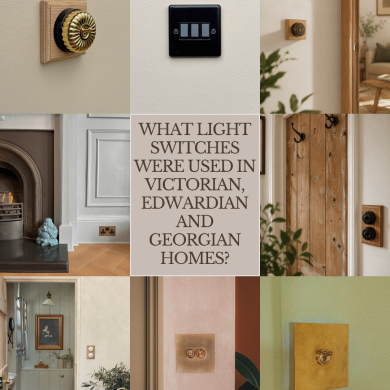
When restoring a period property, it is often the smaller details that make the biggest difference. Light switches and sockets might seem insignificant compared with... Continue reading
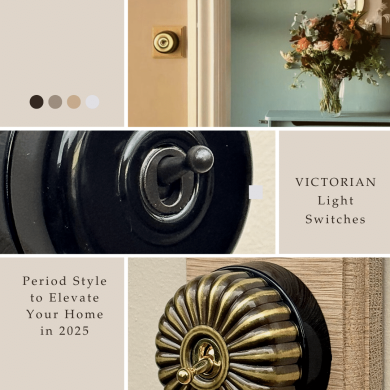
In the world of interior design, it’s often the smallest details that make the greatest impact. One such detail (humble yet transformative) is the light... Continue reading
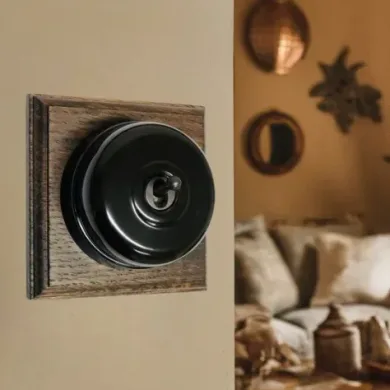
Did you catch our latest article? We've explored how the light switch has evolved over the years, from candlelight to the very first electric light,... Continue reading

Uncover the truth behind light switch designs: are they genuine echoes of the past or mere imitations? Discover the secrets now. Continue reading

Perfecting vintage light switch reproductions involves meticulous material selection, craftsmanship, and safety compliance—what's the secret to capturing their timeless allure? Continue reading