

No products in the cart.


When you’re involved in architectural restoration, prioritising accuracy in light switch replicas is essential for maintaining historical integrity.
These replicas, crafted with precision, blend seamlessly with period-specific décor while ensuring functional compatibility with modern electrical systems.
Adhering to conservation standards, they embody the era’s cultural significance and craftsmanship.
This commitment not only caters to enthusiast communities but also meets the growing demand for authentic reproductions.
But how does this impact broader restoration projects?
Key Takeaways
- Accuracy maintains historical integrity and authenticity, reflecting the architectural essence of the era.
- Exact replicas ensure functional compatibility with existing electrical systems, reducing malfunction risks.
- Authentic reproductions enhance aesthetic and tactile appeal, preserving the original design’s charm.
- Adhering to conservation standards supports cultural heritage preservation and historical narratives.
- Accurate replicas serve educational purposes, enriching learning experiences in electrical engineering and historical preservation.
Preserving Historical Integrity

When replicating historical light switches, maintaining historical integrity is vital to confirm authenticity and respect for original designs. You must consider the historical significance of each switch, guaranteeing that every detail reflects the era’s architectural authenticity. Analyse original materials and manufacturing techniques to replicate these components accurately. This precision preserves not only the aesthetic but also the cultural narrative embedded within these devices. You should meticulously assess the patina, wear patterns, and functional design to produce a replica that aligns with the historical context. It’s essential to collaborate with historians and architects to verify every aspect of the light switch is true to its time. Your goal is to create a seamless integration of historical accuracy within modern restorations.
Enhancing Aesthetic Appeal
To elevate the aesthetic appeal of historical light switch replicas, focus on meticulous craftsmanship and material selection. You should consider the integration of colour variations to capture the authentic essence of different historical periods. Utilising advanced design innovations guarantees that the replicas not only mirror the original designs but also meet contemporary aesthetic standards. Pay close attention to the texture and finish, as these elements are vital in replicating the tactile experience of original light switches. Employ materials that enhance durability without compromising on historical authenticity. By prioritising precision in these aspects, you’ll create replicas that not only serve functional purposes but also enhance the visual and tactile appeal, therefore making them desirable for enthusiasts and collectors alike.
Meeting Conservation Standards

As you enhance the aesthetic appeal of historical light switch replicas, maintaining strict adherence to conservation standards remains paramount. Precision in replicating original designs guarantees you honour conservation ethics, preserving historical integrity. Your approach must align with regulatory compliance, assuring replicas meet established preservation criteria.
| Conservation Aspect | Importance | Action Required |
|---|---|---|
| Authentic Materials | Historical accuracy | Utilise period-specific materials |
| Dimensional Accuracy | Visual and functional fidelity | Adhere to original specifications |
| Documented Provenance | Ethical considerations | Maintain thorough records |
Attention to these elements guarantees your replicas remain true to their historical counterparts. By integrating these standards, you protect the cultural significance and authenticity of architectural heritage. This methodical approach showcases your commitment to preserving history while meeting modern-day regulatory demands.
Ensuring Functional Compatibility
To guarantee functional compatibility in light switch replicas, you must implement a seamless integration process that aligns with existing electrical systems. This requires a thorough assessment of wiring configurations and component specifications to mitigate any potential malfunction risks. By prioritising these technical considerations, you enhance both reliability and user satisfaction.
Seamless Integration Process
Ensuring a seamless integration process for light switch replicas requires meticulous attention to functional compatibility, where accuracy in replication is paramount. You must address design considerations carefully, confirming that each replica matches the original’s specifications. This involves evaluating electrical load requirements, switch type compatibility, and material selection. Installation techniques must also align with industry standards to avoid jeopardising system integrity. Consider the architectural constraints and existing wiring to guarantee ideal fit and function. Proper alignment with current electrical codes is essential to maintain system safety and efficiency. By prioritising these factors, you ensure that the replicas not only visually mimic the originals but also perform identically in everyday use. Your strategic approach minimises potential disruptions and maintains seamless operation.
Avoiding Malfunction Risks
Evaluating functional compatibility is vital after addressing seamless integration. You must guarantee light switch replicas meet industry standards for malfunction prevention and safety compliance. Analysing electrical specifications, load capacity, and material integrity is essential. You should focus on the potential risks that could lead to operational failures or safety hazards. Here’s a table that highlights significant compatibility factors:
| Factor | Importance |
|---|---|
| Electrical Specs | Guarantees correct voltage handling |
| Load Capacity | Prevents overheating and failures |
| Material Integrity | Avoids wear and tear, increases lifespan |
Each factor plays a pivotal role in maintaining system integrity and user safety. Ignoring any aspect can lead to hazardous outcomes. You should adopt rigorous testing protocols and quality checks, guaranteeing that all components align with technical specifications and regulatory mandates. This approach mitigates risk and enhances product reliability.
Catering to Enthusiast Communities

While catering to enthusiast communities, manufacturers of light switch replicas must prioritise authenticity and precision. You’re addressing a niche market where enthusiast engagement plays a vital role in product development. These communities demand replicas that not only look authentic but also function in a manner consistent with the original designs. It’s essential to analyse community feedback closely, as it provides insights into specific details that matter most to enthusiasts, such as tactile response and material quality.
Supporting Educational Initiatives
Manufacturers of light switch replicas, while focusing on authenticity for enthusiasts, can also play a pivotal role in educational initiatives. These replicas can be leveraged as practical tools in educational outreach, enhancing the learning experience in fields such as electrical engineering and historical preservation. By hosting community workshops, you bridge the gap between theoretical knowledge and hands-on application, allowing attendees to engage directly with accurate reproductions. This fosters a deeper understanding of electrical systems and historical context, aligning with curricular goals. As you cultivate partnerships with educational institutions, you contribute to a more thorough learning environment. Accurate replicas not only serve enthusiasts but also become invaluable resources for educators, facilitating an enriched educational landscape through precision and interactivity.
Facilitating Authentic Restoration Projects

Although the charm of vintage light fixtures captivates many, guaranteeing their accurate restoration requires meticulous attention to detail. When you’re involved in authentic restoration projects, precision is key. Implementing advanced restoration techniques guarantees that the historical accuracy of light switch replicas is maintained. You need to focus on sourcing high-quality replicas that mirror the original designs. This involves understanding the historical context and material specifications to match the original fixtures’ aesthetics and functionality. Utilise advanced technologies like 3D scanning and CNC machining to replicate intricate details. Your commitment to accuracy will facilitate a seamless integration into restoration projects, enhancing the overall authenticity. By prioritising these aspects, you uphold the integrity of the restoration work, making your projects truly stand out.
Contributing to Cultural Heritage Preservation
Understanding the significance of cultural heritage preservation, you play an essential role in safeguarding historical narratives through accurate light switch replicas. These replicas are not mere functional items; they’re vital components in conveying the cultural significance embedded in architectural spaces. By ensuring precision in design and materials, you contribute to the authentic depiction of historical narratives, allowing future generations to appreciate and learn from the past.
Your work involves meticulous attention to detail, ensuring each replica aligns with the original specifications. This accuracy is imperative for maintaining the integrity of historical restorations, preserving the stories and traditions embedded within them. By prioritising exactness in your reproductions, you uphold the cultural significance of these artefacts, reinforcing their value in cultural heritage preservation.
Addressing Market Demand for Authentic Reproductions

Addressing the market demand for authentic reproductions necessitates a strategic blend of historical accuracy and modern manufacturing techniques. It is essential to analyse market trends and consumer preferences to ensure alignment with the current demand. Accurate replicas not only satisfy aesthetic desires but also provide functional reliability. Utilise advanced materials and production methods to maintain authenticity while enhancing durability.
| Key Factors | Description | Impact on Market |
|---|---|---|
| Historical Accuracy | Ensures replicas meet consumer expectations | High |
| Modern Techniques | Incorporates efficiency in production | Cost-effective |
| Consumer Preferences | Reflects current market trends | Drives sales |
Frequently Asked Questions
How Do Modern Technologies Influence the Replication Process of Light Switches?
Modern technologies such as 3D printing advancements and digital modelling techniques are revolutionising the replication of light switches. With 3D printing, it is possible to achieve precise dimensions and intricate designs, ensuring both functionality and aesthetic appeal. Digital modelling techniques allow for detailed simulations and adjustments before production, minimising errors. These technologies streamline processes, reduce costs, and enhance quality control, ensuring that each replica meets industry standards with technical precision and analytical accuracy.
What Challenges Arise in Sourcing Materials for Accurate Light Switch Replicas?
When sourcing materials for accurate light switch replicas, you face challenges like ensuring material authenticity and availability. You’ll need to navigate supply chain constraints, fluctuating costs, and compliance with industry standards. Material sourcing can be complicated by the need for specific alloys or plastics that match historical specifications. Achieving replica authenticity requires a meticulous approach, balancing precision with practicality, while leveraging industry networks to secure rare or discontinued components.
How Does the Cost of Replicas Compare to Original Antique Light Switches?
When considering replica pricing versus antique valuation, you’ll find replicas are generally more cost-effective. Originals, due to rarity and historical significance, command premium prices in the market. In the industry, replicas utilise modern manufacturing techniques that lower production costs without compromising on aesthetics. This economic advantage makes replicas appealing for those seeking the visual charm of antiques without the financial burden. Ultimately, replicas offer an accessible alternative to original antique light switches.
Are There Legal Considerations When Manufacturing Replica Light Switches?
When manufacturing replica light switches, you must consider trade mark laws and copyright issues. These legal aspects ensure that your replicas do not infringe on existing intellectual property rights. You will need to conduct thorough research to avoid potential legal disputes. By understanding industry terminology and maintaining technical precision, you can navigate these complexities effectively. Engaging with legal experts might be necessary to ensure your replicas comply with all relevant regulations.
What Role Does Consumer Feedback Play in Improving Light Switch Replicas?
Consumer feedback plays a vital role in enhancing light switch replicas by establishing feedback loops that drive continuous improvement. By analysing consumer satisfaction data, you can identify specific areas for refinement, ensuring the replicas meet user expectations. Engaging consumers in the design process helps pinpoint flaws and optimise functionality, leading to higher-quality products. This iterative approach leverages feedback to fine-tune details, ultimately aligning the replicas with industry standards and consumer demands.


Related posts
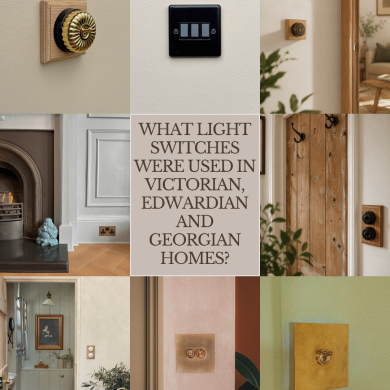
When restoring a period property, it is often the smaller details that make the biggest difference. Light switches and sockets might seem insignificant compared with... Continue reading
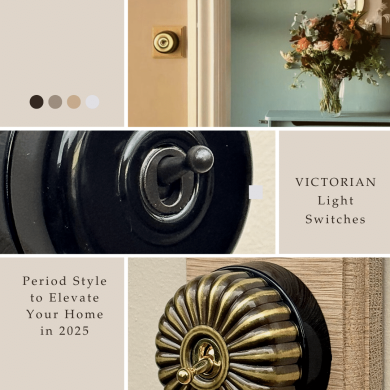
In the world of interior design, it’s often the smallest details that make the greatest impact. One such detail (humble yet transformative) is the light... Continue reading
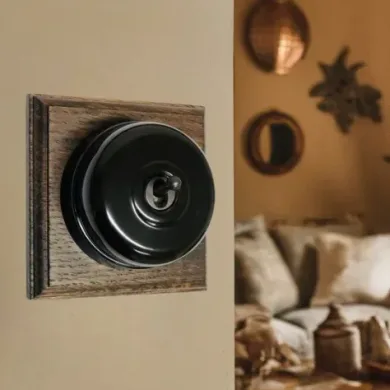
Did you catch our latest article? We've explored how the light switch has evolved over the years, from candlelight to the very first electric light,... Continue reading

Uncover the truth behind light switch designs: are they genuine echoes of the past or mere imitations? Discover the secrets now. Continue reading

Perfecting vintage light switch reproductions involves meticulous material selection, craftsmanship, and safety compliance—what's the secret to capturing their timeless allure? Continue reading