

No products in the cart.
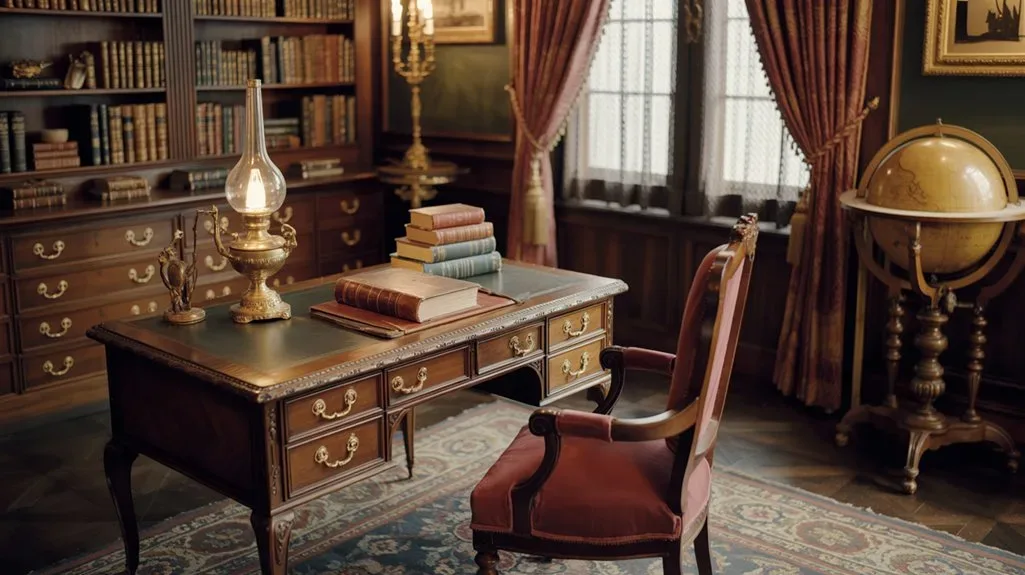

When considering what defines period accurate hardware choices, you must explore a detailed understanding of historical contexts and the materials and manufacturing techniques of the time.
Each era is marked by unique design styles, from the ornate Victorian details to the sleek lines of Mid-Century Modern.
Authenticity must also align with modern safety standards. You’ll need to meticulously source reproductions that reflect the era’s colour and finish, but there’s more to explore.
Key Takeaways
- Consider the historical context, reflecting social, economic, and political influences on hardware design and choice.
- Analyse the materials and manufacturing techniques used during the specific historical period.
- Align design styles with the aesthetics and cultural influences of the era in question.
- Ensure compatibility with modern safety standards whilst maintaining historical accuracy.
- Source authentic reproductions with a focus on period-specific details and materials.
Understanding Historical Contexts

When delving into period-accurate hardware choices, it’s crucial to grasp the historical contexts shaping each era’s technological landscape. You need to understand how historical significance and cultural influences impacted the design and functionality of hardware. Each period had distinct priorities, often shaped by social, economic, and political factors. For instance, the Industrial Revolution brought about mass production, which directly affected hardware accessibility and design uniformity. Cultural influences, such as the Arts and Crafts movement, emphasised handcrafted quality, contrasting sharply with mass-produced items. By examining these contexts, you’ll appreciate why certain materials and designs were favoured, reflecting the values and limitations of their time. This understanding guarantees your hardware choices are not only accurate but also deeply rooted in their historical and cultural settings.
Materials and Manufacturing Techniques
Although materials and manufacturing techniques varied greatly across different historical periods, they consistently influenced the hardware available at the time. You’ll find that traditional techniques were paramount, often dictating the choice of materials. For instance, blacksmithing was prominent during the mediaeval era, using locally sourced iron due to the limitations of material sourcing. Artisans in Renaissance Italy relied heavily on bronze, favoured for its durability and ability to be intricately cast. The Industrial Revolution introduced mass production, shifting from handcrafted to mechanised methods, altering material sourcing dynamics. You must understand these variations to guarantee period accuracy in your hardware selections. By delving into the historical context, you can appreciate how each era’s distinctive materials and manufacturing techniques shaped hardware functionality and aesthetics.
Design Styles Across Eras

When examining Victorian era design elements, you’ll notice the intricate ornamentation and heavy use of dark woods, which contrast sharply with the clean lines and functional forms of Mid-Century Modern characteristics. Each style reflects its historical context, with Victorian design often evoking the opulence of the industrial era, whilst Mid-Century Modern emphasises post-war optimism and technological advancement. Understanding these distinctions helps you make informed hardware choices that remain true to each period’s unique aesthetic and cultural influences.
Victorian Era Design Elements
Stepping into the world of Victorian era design elements, you quickly realise the profound impact of the Industrial Revolution on this eclectic and ornate style. The era celebrated an abundance of Victorian ornamentation, with intricate detailing that mirrored the technological advances of the time. You’d notice a rich tapestry of architectural motifs, inspired by Gothic, Romanesque, and Renaissance influences. These elements often appeared in the form of intricate woodwork, stained glass, and lavish ironwork. The use of bold colours and elaborate patterns in wallpapers and fabrics further defined the aesthetic. In your exploration, you’ll find that every piece of hardware, from door knobs to hinges, was designed to complement the grandeur and complexity of Victorian interiors, emphasising opulence and craftsmanship.
Mid-Century Modern Characteristics
As you explore the characteristics of Mid-Century Modern design, you’ll find a style that prioritises simplicity, functionality, and a seamless integration with nature. This design era, spanning from the mid-1940s to the late 1960s, emphasises clean lines and organic forms. Furniture and architecture from this period reflect an intent to create spaces that are both aesthetically pleasing and highly functional. You’ll notice the use of natural materials like wood and leather, contributing to a warm, inviting atmosphere. Designers like Charles and Ray Eames championed sleek, minimalistic forms, while architects such as Frank Lloyd Wright incorporated expansive glass windows to blur indoor and outdoor boundaries. This harmony with nature and focus on practicality defines the Mid-Century Modern aesthetic.
Compatibility With Modern Safety Standards
While period-accurate hardware can lend a touch of authenticity to your restoration project, ensuring compatibility with modern safety standards is essential. It’s vital to balance historical accuracy with safety regulations to protect both the integrity of your work and the well-being of users. Consider these key aspects:
- Material Composition: Opt for modern materials that adhere to current safety regulations, offering the same look but with enhanced durability and safety features.
- Functionality: Verify that the hardware meets today’s functional requirements, ensuring that it’s not only decorative but also safe to use in a contemporary setting.
- Installation Methods: Use updated installation techniques that comply with current codes to prevent potential hazards, while still maintaining the period-specific aesthetic.
These considerations help marry authenticity with safety.
Color and Finish Selection

Choosing the right colour and finish for period-accurate hardware is just as important as guaranteeing its safety. Each era had its distinct colour symbolism, reflecting social norms and technological advancements. When selecting hardware, consider how colours were not merely decorative but symbolic, signifying wealth or class. For instance, deep bronze might have denoted opulence in Victorian times. Additionally, finish techniques used in different periods can tell stories of craftsmanship or available materials. Lacquered finishes in Asian influences or the patina on aged brass can define authenticity. You’ll need to research specific historical periods to understand which colours and finishes were prevalent. This knowledge guarantees your hardware choices are true to their era, providing an accurate historical context.
Sourcing Authentic Reproductions
When it comes to sourcing authentic reproductions, understanding the nuances of historical accuracy is essential. It requires a keen eye for detail and an appreciation for the materials and techniques of a specific era. Authentic sourcing isn’t just about finding items that look old; it’s about guaranteeing they are crafted with period-accurate methods. This, however, presents several reproduction challenges:
- Material Selection: Identifying and using materials that match the era can be difficult due to the scarcity of original resources.
- Craftsmanship Techniques: Reproducing period-specific techniques demands specialised knowledge and skills, often lacking in modern manufacturing.
- Historical Research: In-depth research is necessary to avoid anachronisms and guarantee every component is true to its time.
These factors make authentic reproduction a meticulous but rewarding endeavour.
Frequently Asked Questions
How Do Hardware Choices Reflect Cultural Influences of Their Time?
When you examine hardware choices, you’ll notice they often mirror the cultural symbolism and aesthetic preferences of their era. During the Art Deco movement, for instance, hardware featured geometric shapes and lavish materials reflecting opulence. In contrast, the post-war period favoured simplicity and practicality, showcasing society’s shift towards functionality. By understanding these choices, you gain insight into how cultural influences shape design and functionality during specific historical contexts.
What Role Do Technological Advancements Play in Period Hardware Selection?
Technological evolution plays an essential role in your selection of period hardware. You need to take into account how material innovation influences available options. As technology advances, it introduces new materials and manufacturing techniques, impacting durability, aesthetics, and functionality. Your choices should reflect these advancements, ensuring authenticity and historical accuracy. By understanding the context of technological progress, you can expertly identify hardware that not only fits the period but also showcases innovation’s impact.
How Does Regional Variation Impact Period Hardware Styles?
Regional variation heavily influences period hardware styles. You’ll find that regional craftsmanship reflects unique techniques and aesthetics, often shaped by local materials. For instance, if you’re exploring European hardware, English ironwork may differ from Italian brass due to available resources and cultural preferences. Understanding these nuances requires researching each region’s historical context and material availability, allowing you to appreciate the diversity in hardware styles shaped by geographical and cultural factors.
What Are the Signs of Counterfeit Period Hardware?
When identifying signs of counterfeit period hardware, you should focus on authentication techniques. Check for inconsistencies in craftsmanship, as authentic pieces often exhibit unique hand-forged details. Use magnification to inspect for machine marks that indicate modern production. Research historical materials and finishes; genuine items often have a distinct patina. Compare with authenticated samples, noting discrepancies in design. Consult experts for contextual understanding to guarantee your findings are accurate and thorough.
How Does Economic History Influence Hardware Availability in Different Periods?
You’re delving into how economic history shapes hardware availability across eras. Economic fluctuations directly impact what’s available, as recessions or booms alter production capabilities. Material scarcity often follows these fluctuations, limiting or expanding the resources manufacturers can use. During prosperous times, you’ll find a wider array of options, while downturns might restrict choices. Understanding these cycles helps contextualise why certain hardware is prevalent or rare in different periods.


Related posts
Renovating or upgrading electrics in old properties often comes with a familiar challenge: shallow back boxes hidden behind thick plaster, solid masonry or uneven walls.... Continue reading
For anyone renovating a period property, the smallest details often carry the greatest weight. Original fixtures (especially electrical hardware) help preserve the character and authenticity... Continue reading
At Bromleighs, every collection tells a story of British craftsmanship and the Forge Collection is one of our most characterful. Inspired by traditional metalworking and... Continue reading

Renovating a period home is about more than modern upgrades - it’s about honouring history while creating a space that feels timeless and personal. In... Continue reading
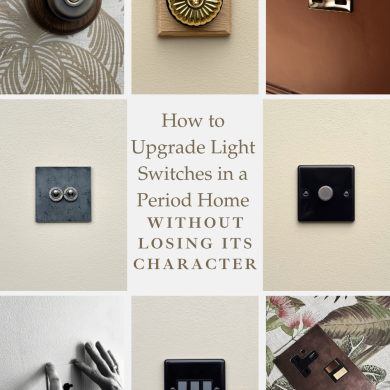
Owning a period property is like holding a piece of living history. Whether it’s a Georgian terrace, a Victorian villa or an Arts & Crafts... Continue reading