

No products in the cart.


When undertaking heritage restorations, you must prioritise trusted historical hardware to maintain authenticity and honour the building’s original character.
Accurate electrical switches and sockets, made from period-appropriate materials, are essential for preserving the structure’s historical integrity.
Collaborating with experts and sourcing from reputable manufacturers guarantees you integrate modern safety standards without compromising on design.
But how do you overcome the challenges of finding period-accurate pieces for unique heritage projects?
Key Takeaways
- Verify supplier reputation through reviews and heritage organisation endorsements for trusted historical hardware.
- Ensure hardware authenticity by confirming materials and period-specific designs with documentation.
- Collaborate with artisans skilled in crafting bespoke reproductions for unique heritage needs.
- Prioritise suppliers with extensive experience in heritage restoration projects.
- Seek hardware that balances historical accuracy with modern safety standards.
Importance of Accurate Hardware in Heritage Restorations

When restoring heritage structures, verifying the accuracy of historical hardware is paramount. You need to pay meticulous attention to detail, as even the smallest hardware elements contribute considerably to a building’s historical accuracy and restoration integrity. Selecting authentic pieces that match the original design verifies that the restoration honours the building’s history. It is crucial to rely on evidence-based practices, using archival research and expert consultations to guide your choices. This approach helps maintain the structure’s authenticity and supports the overall preservation effort. By prioritising the use of period-appropriate hardware, you uphold the integrity of the restoration process. Remember, each knob, hinge, and latch plays an essential role in weaving the historical narrative of the restored architecture.
Types of Historical Electrical Switches
Although often overlooked, historical electrical switches are essential components in heritage restorations that demand close attention to detail. These switches, reflecting vintage designs, provide authenticity to preservation projects. You might encounter push-button, toggle, or rotary switches, each representing distinct eras and styles. Push-button switches, popular in the early 20th century, often feature porcelain or bakelite as switch materials. Toggle switches, with their simple lever mechanism, became prevalent during the mid-1900s, while rotary switches offer a charming, tactile experience reminiscent of late 19th-century innovations.
When selecting switches, consider the materials used, as they reveal much about the period’s technology and aesthetics. Porcelain, brass, and bakelite are common materials that offer durability and historical accuracy. Accurate switch selection guarantees your restoration remains true to its era.
Recognizing Authentic Period Sockets

To guarantee the authenticity of your heritage restoration, recognising period-specific sockets is essential. Start by examining the socket design; it holds clues about the era. For instance, early 1900s sockets often feature brass components and porcelain bases, reflecting the period style. Pay attention to the shape and size, as they varied over decades. A socket from the 1920s might have a more ornate design compared to the streamlined look of mid-century models.
Look for manufacturer marks and patent dates stamped on the socket. These details can confirm the socket’s authenticity and period style. Compare these features with historical records or catalogues. By doing so, you verify that your restoration not only looks accurate but truly reflects its original time period.
Materials Used in Historical Electrical Components
Understanding the materials used in historical electrical components is crucial for any heritage restoration project. You need to identify period materials, which often include copper, brass, and early plastics like Bakelite. These materials were chosen for their durability and conductive properties, playing a significant role in electrical innovations of their time. For instance, copper’s excellent conductivity made it a staple in wiring, whilst Bakelite’s insulating properties suited early switches and sockets.
Preserving these materials means understanding their original context and the technological advancements they represented. When restoring, focus on maintaining the integrity of these components, as they embody the craftsmanship and technological prowess of their era. Use authentic materials when possible to guarantee historical accuracy and uphold the value of your restoration project.
Key Manufacturers of Heritage Electrical Hardware

Several key manufacturers played pivotal roles in shaping the landscape of heritage electrical hardware, each contributing unique innovations and craftsmanship to the field. As you explore these vintage manufacturers, you’ll discover the work of electrical artisans who crafted components that stood the test of time. For instance, Westinghouse and General Electric became synonymous with durability and ingenuity, pioneering technologies that remain revered today. Their designs combined functionality with aesthetic appeal, ensuring their products fit seamlessly into historical settings. Meanwhile, smaller firms like Bryant Electric and Arrow-Hart focused on niche markets, offering specialised components that met particular restoration needs. These manufacturers not only provided reliable hardware but also set standards for quality, which preservationists now rely on to maintain authenticity in heritage restorations.
Restoration Techniques for Vintage Electrical Fixtures
When restoring vintage electrical fixtures, attention to detail is critical to preserving their historical integrity and functionality. Start by gently cleaning the fixture with non-abrasive materials to maintain its vintage restoration appeal. Check for frayed wires and replace them with period-appropriate wiring to guarantee electrical authenticity. If the fixture requires new parts, prioritise sourcing components that match the original design, such as sockets and switches. Test the fixture for safe operation before final installation.
| Task | Material Needed | Key Consideration |
|---|---|---|
| Clean fixture | Soft cloth, mild soap | Avoid harsh chemicals |
| Inspect wiring | Wire stripper, tester | Guarantee period accuracy |
| Replace components | Original parts, tools | Match historical design |
| Test fixture | Multimeter | Verify safe functionality |
| Final installation | Screwdriver, brackets | Secure and stable mount |
Incorporate these steps to achieve both visual and functional success.
Challenges in Sourcing Period-Accurate Hardware

When you’re sourcing period-accurate hardware, you’ll often find limited options, as authentic pieces are rare and replicas may lack precision. It’s crucial to identify reputable suppliers who specialise in historical accuracy to guarantee the integrity of your restoration project. By examining supplier credentials and previous work, you can better ensure that the hardware matches the original era’s craftsmanship and materials.
Limited Authenticity Options
Restoring heritage buildings to their former glory often hinges on the authenticity of their hardware, yet sourcing period-accurate pieces can be a formidable challenge. Limited availability of original hardware leads to authenticity dilemmas that require careful navigation. You’re often faced with a scarcity of genuine artefacts, making each piece a treasure hunt through salvage yards, auctions, and antique shops. Many historical items have succumbed to the ravages of time, further shrinking the pool of usable artefacts. Replicas might seem like a viable solution, but they can fall short in accurately capturing the craftsmanship and materials of the past. It’s essential to distinguish between genuine period pieces and modern imitations to guarantee your restoration maintains its historical integrity and authenticity.
Identifying Reputable Suppliers
How do you find reputable suppliers when sourcing period-accurate hardware for heritage restorations? Start by researching supplier reputation through customer reviews and industry references. Authentic period pieces often require precise sourcing strategies, including networking with museum curators and restoration experts who might recommend trustworthy suppliers. Attend trade shows and heritage fairs to connect directly with vendors specialising in historical hardware.
Verify a supplier’s authenticity by checking their product origin and material composition. Request documentation that confirms the historical accuracy of their inventory. Look for suppliers who actively participate in restoration projects and are recognised by heritage organisations. Prioritise those with a proven track record in delivering quality period-accurate hardware, ensuring your restoration project maintains its historical integrity.
Integrating Modern Safety Standards With Historic Designs
While integrating modern safety standards into historic designs presents challenges, it’s vital for preserving both aesthetics and functionality. You need to guarantee that modern innovations align seamlessly with historical preservation goals. Start by evaluating the original design and identifying potential safety risks. Then, research contemporary materials and techniques that enhance safety without compromising authenticity. For instance, use fire-retardant materials that mimic the look and feel of original components. Collaborate with engineers specialising in historical structures to assess load-bearing capacities and seismic upgrades. It’s imperative to document every change, guaranteeing future restorations maintain the integrity of the current work. Emphasise reversible interventions, allowing future generations to appreciate the historic design while benefiting from current safety advancements.
Custom Reproductions for Unique Heritage Projects

Preserving historical integrity requires more than just meeting safety standards; it often involves crafting bespoke reproductions for unique heritage projects. When you’re tasked with restoring a historical site, one-size-fits-all solutions don’t suffice. Bespoke designs are essential to replicate original aesthetics accurately. You need to collaborate with skilled artisans who can meticulously recreate items using unique materials that match or complement those from the era being preserved. This approach guarantees that every detail, from door knobs to window latches, aligns with historical authenticity. By focusing on bespoke reproductions, you honour the original craftsmanship while enhancing the site’s historical narrative. It’s not just about aesthetics; it’s about reviving the past with precision, guaranteeing each element contributes to the site’s rich heritage.
Case Studies of Successful Heritage Restorations
One exemplary case of successful heritage restoration is the meticulous revival of the Victorian-era Battersea Power Station in London. This iconic structure underwent a transformation using precise preservation techniques that honoured its historical integrity while adapting it for modern use. You can see how the restoration team carefully preserved original brickwork and steel framework, ensuring these elements met today’s safety standards without compromising authenticity.
Another remarkable project is the restoration of the Grand Palais in Paris. Here, advanced preservation techniques, like laser cleaning and micro-sandblasting, were employed to restore its Beaux-Arts architecture. These efforts highlight the importance of maintaining historical accuracy in successful restorations. By utilising trusted historical hardware, both projects demonstrate how you can seamlessly blend heritage with contemporary functionality.
Frequently Asked Questions
How Can I Identify the Age of Historical Hardware?
To identify the age of historical hardware, you’ll need to use dating techniques like examining wear patterns and materials. Focus on historical styles—look for specific design elements and craftsmanship details typical of certain eras. Compare these to documented examples from museums or archives. Consider manufacturing marks or patents, as they can give you clues about the item’s origin. Preservation is key, so handle everything carefully to maintain its historical integrity.
Are There Specific Tools Required for Restoring Heritage Hardware?
When restoring heritage hardware, you’ll need specific tools to guarantee proper restoration techniques and effective hardware preservation. Start with precision screwdrivers and soft-bristle brushes to gently remove dirt. Use a rust remover and metal polish for surface care. Microfibre cloths help avoid scratches during cleaning. For intricate parts, a magnifying glass is essential. Always prioritise preservation-focused methods to maintain historical value, guaranteeing each tool respects the hardware’s original integrity.
Do Historical Restorations Affect Property Value?
When you undertake historical restorations, you can greatly impact property value. Restoration impact often leads to property appreciation, as preserving original features can make a property more desirable. Detailed research shows that well-executed restorations enhance historical authenticity, attracting buyers interested in heritage. By focusing on preserving the property’s unique character, you not only honour its history but also potentially increase its market value, making it a worthwhile investment.
How Do You Maintain Restored Heritage Hardware Over Time?
To maintain restored heritage hardware, you should focus on preventive maintenance and proper cleaning techniques. Regularly inspect for wear and address issues early. Use gentle, non-abrasive cleaning agents to protect finishes. Lubricate moving parts with appropriate oils to guarantee smooth operation. Document any changes or repairs for future reference. Consulting with preservation experts ensures methods align with historical integrity, preserving both function and value over time. Consistent care extends the hardware’s lifespan.
Can Modern Technology Be Discreetly Integrated Into Heritage Restorations?
You can discreetly integrate modern technology into heritage restorations by carefully selecting components that blend seamlessly with the original design. Modern integration is possible with advancements in miniaturisation and wireless technology, allowing you to enhance functionality without altering the aesthetic. Ascertain compatibility with heritage technology by conducting thorough research and consulting preservation experts. This approach preserves historical integrity whilst meeting contemporary needs, providing evidence that modern solutions can respect and enhance historical significance.


Related posts
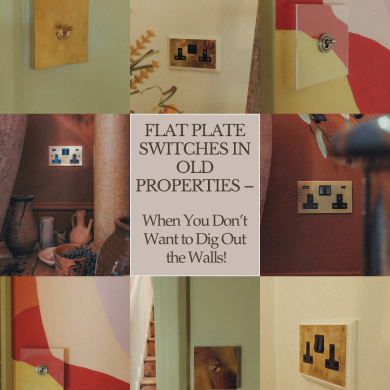
Renovating or upgrading electrics in old properties often comes with a familiar challenge: shallow back boxes hidden behind thick plaster, solid masonry or uneven walls.... Continue reading
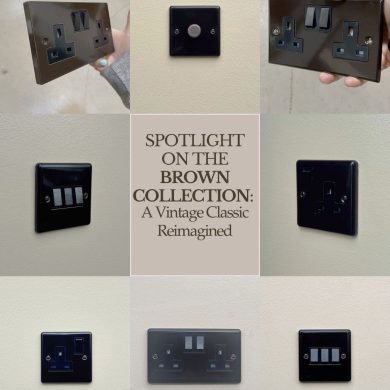
For anyone renovating a period property, the smallest details often carry the greatest weight. Original fixtures (especially electrical hardware) help preserve the character and authenticity... Continue reading
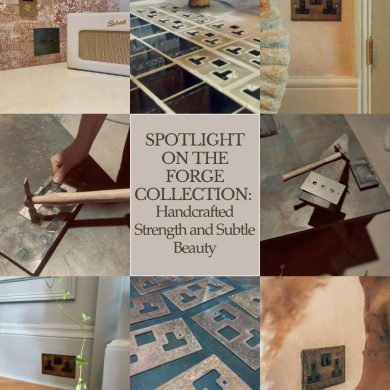
At Bromleighs, every collection tells a story of British craftsmanship and the Forge Collection is one of our most characterful. Inspired by traditional metalworking and... Continue reading

Renovating a period home is about more than modern upgrades - it’s about honouring history while creating a space that feels timeless and personal. In... Continue reading
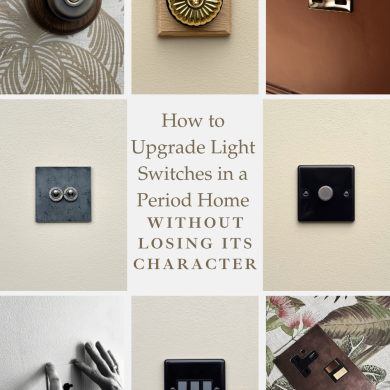
Owning a period property is like holding a piece of living history. Whether it’s a Georgian terrace, a Victorian villa or an Arts & Crafts... Continue reading