

No products in the cart.


When you commence restoring a heritage home, selecting the appropriate historic hardware for electrical components becomes essential.
You’ll find that choosing authentic switch designs, reproduction sockets, and vintage light fittings guarantees the preservation of period interiors’ aesthetic.
With polished brass and porcelain materials, your space retains its historical charm while meeting modern functionality.
But how do you balance these elements with period-appropriate wiring solutions and antique hardware restoration?
Key Takeaways
- Choose switch plates and sockets that match the home’s historical era for authenticity.
- Use reproduction materials like brass and porcelain for an authentic historical appearance.
- Vintage light fixtures should reflect the design nuances of their specific historical periods.
- Integrate modern adaptations in reproduction sockets to ensure compatibility with current systems.
- Employ period-appropriate wiring solutions whilst adhering to contemporary electrical codes.
Authentic Switch Designs for Heritage Homes

When restoring a heritage home, choosing authentic switch designs can greatly enhance its historical integrity. You should consider switch plate styles that match the era of the home. During the early 20th century, push-button switches with mother-of-pearl inlays were popular, while the Art Deco period favoured sleek, geometric designs. To maintain authenticity, select period finishes such as polished brass or antique bronze, which were commonly used in historical residences. These finishes not only complement the architectural style but also guarantee longevity and durability. It’s crucial to source materials that match the original construction quality, enabling a seamless blend with the existing décor. By prioritising these elements, you preserve the authentic character and charm of your heritage home.
Reproduction Sockets: Preserving the Past
While restoring heritage properties, you should consider reproduction sockets that mirror the design and functionality of the time period. These sockets, crafted from reproduction materials, offer an authentic look whilst accommodating modern safety standards. By integrating modern adaptations, they guarantee compatibility with contemporary electrical systems without compromising historical aesthetics.
Pay close attention to the socket’s detailing, such as brass or porcelain finishes, which were prevalent in early 20th-century designs. The use of period-appropriate materials, like Bakelite or ceramic, assures durability and visual accuracy. Reproduction sockets often include modern features such as polarised slots and grounding, which enhance their functionality whilst maintaining an antique appearance. By selecting these carefully designed components, you can preserve the past and meet today’s electrical requirements seamlessly.
Vintage Light Fixtures: Aesthetic and Functionality

Incorporating vintage light fixtures into your period interior not only enhances the aesthetic appeal but also guarantees the functional integrity of your restoration project. These fixtures embody period aesthetics by reflecting the design nuances of their respective eras, whether it’s the ornate detailing of Victorian chandeliers or the sleek lines of Art Deco sconces. You’ll find that functional vintage pieces often incorporate durable materials such as brass, copper, and glass, ensuring longevity and authenticity. When selecting fixtures, consider the light distribution and bulb compatibility to maintain historical accuracy. By choosing appropriate fixtures, you preserve the visual harmony of your space whilst seamlessly integrating modern lighting needs. Remember, each fixture serves as both a historical artefact and a practical element in your interior.
Period-Appropriate Wiring Solutions
When selecting vintage light fixtures to enhance your period interior, it is equally important to consider the wiring solutions that will support these historical elements. Authenticity in historic wiring necessitates careful consideration of materials and methods used in period circuits. Replicating the original knob-and-tube or cloth-covered wiring can ensure that your restoration remains true to its era while meeting modern safety standards.
| Component | Period Style | Modern Equivalent |
|---|---|---|
| Knob-and-Tube | Early 20th Century | Romex with Vintage Look |
| Cloth-Covered | 1920s-1940s | Braided Wire |
| Porcelain Knobs | Insulation Support | Plastic Insulators |
| Twist Switches | Early 1900s | Reproduction Switches |
| Push Button | 1900s-1930s | Modern Compliant Units |
When replacing outdated systems, prioritise historical accuracy alongside current electrical codes.
Restoring Antique Electrical Hardware

Restoring antique electrical hardware necessitates a meticulous approach to ensure both historical accuracy and functionality. Begin by evaluating the existing components, focusing on antique switchgear restoration. Examine each piece for wear and damage, ensuring you have a clear blueprint before disassembly. Document original configurations and materials used, as these are pivotal in maintaining authenticity. Employ vintage wiring techniques, such as cloth-covered wire, to match the period’s aesthetic while ensuring modern safety standards are met. Clean contacts and terminals with appropriate solvents, avoiding abrasive methods that could damage the patina. Reassemble with care, ensuring all connections are secure and insulation is intact. Test the restored system thoroughly to ensure it operates safely and reliably, preserving its historical integrity.
Frequently Asked Questions
How Can You Ensure Safety With Vintage Electrical Components?
To guarantee safety with vintage wiring, you should conduct thorough safety inspections. Check for wear, fraying, or outdated materials that can’t handle modern electrical loads. Replace any compromised components with period-appropriate replicas that meet current safety standards. Ensure grounding and circuit protection are up to code. Consult a professional familiar with vintage systems to verify your setup is both historically accurate and safe for today’s use.
What Maintenance Is Required for Antique Electrical Hardware?
To maintain antique electrical hardware, you should regularly conduct wiring inspections to guarantee safety and functionality. Utilise restoration techniques that respect the original design while upgrading components such as insulation and connectors. Check for signs of wear, like frayed wires or corroded connections, and replace them with period-appropriate materials. Keep detailed records of maintenance efforts to preserve historical accuracy and guarantee each component remains in peak condition.
Are There Modern Alternatives That Mimic Historical Electrical Designs?
You are probably wondering if modern alternatives exist that mimic historical electrical designs. Absolutely, there are period replicas available that capture vintage aesthetics while meeting today’s safety standards. These replicas often use advanced materials and manufacturing techniques to replicate the look of antique switches and fixtures precisely. They maintain historical accuracy with details like porcelain bases and cloth-covered wires, offering a seamless blend of old-world charm and modern functionality for your restoration project.
Can Historic Electrical Components Be Integrated With Smart Home Systems?
You can integrate historic electrical components with smart home systems, but you’ll face challenges. Smart technology integration requires guaranteeing historical compatibility. Begin by analysing the wiring and connectivity of the old components. You’ll likely need adaptors or retrofitting solutions to bridge the gap between antique hardware and modern technology. It’s crucial to consult with experts who understand both vintage aesthetics and contemporary smart systems to guarantee seamless and safe integration.
Where Can You Find Replacement Parts for Antique Electrical Hardware?
You’re keen to find replacement parts for antique electrical hardware, aren’t you? Start by exploring specialised vintage suppliers and restoration shops. These places often stock rare components, ensuring historical accuracy and technical precision. Investigate catalogues that feature period-specific items, from Bakelite switches to porcelain sockets. Networking with restoration enthusiasts can reveal hidden gems and local sources, ensuring you maintain the authentic charm and functionality of your historical electrical systems.


Related posts

Renovating or upgrading electrics in old properties often comes with a familiar challenge: shallow back boxes hidden behind thick plaster, solid masonry or uneven walls.... Continue reading
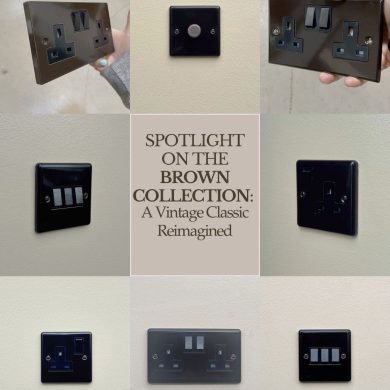
For anyone renovating a period property, the smallest details often carry the greatest weight. Original fixtures (especially electrical hardware) help preserve the character and authenticity... Continue reading

At Bromleighs, every collection tells a story of British craftsmanship and the Forge Collection is one of our most characterful. Inspired by traditional metalworking and... Continue reading

Renovating a period home is about more than modern upgrades - it’s about honouring history while creating a space that feels timeless and personal. In... Continue reading
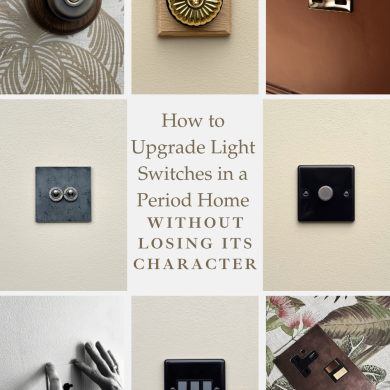
Owning a period property is like holding a piece of living history. Whether it’s a Georgian terrace, a Victorian villa or an Arts & Crafts... Continue reading
