

No products in the cart.


When undertaking the restoration of period-era electrical hardware, it is essential to focus on authentic features such as materials and design elements.
Pay close attention to details such as knob shapes or switch types, which can reveal the item’s specific era.
While restoring, ensure modern safety standards are met by updating wiring without sacrificing historical charm.
Using reclaimed components can enhance authenticity, but there’s an art to maintaining heritage aesthetics—discover how to balance it all effectively.
Key Takeaways
- Identify authentic period features by examining materials such as Bakelite, brass, and porcelain for restoration accuracy.
- Source vintage components from antique shops, salvage yards, or online platforms like eBay for unique period pieces.
- Ensure electrical safety by hiring professionals to update wiring and inspect components for compliance with modern standards.
- Integrate modern technology by using non-intrusive solutions such as smart bulbs in vintage fixtures for seamless functionality.
- Preserve historical integrity by documenting changes and researching original systems to maintain authenticity during restorations.
Identifying Authentic Period-Era Electrical Hardware

When embarking on a restoration project, how do you ensure the electrical hardware is genuinely from the period you’re aiming to replicate? First, examine period features such as materials and finishes. For instance, Bakelite was popular in the early 20th century, while brass and porcelain were prevalent in earlier eras. Recognise the hardware styles by studying catalogues or photographs from the period. You’ll notice that toggle switches were common pre-1950s, whereas push-button switches belonged to the Victorian era. Pay attention to the details—knob shapes, switch plates, and screw types can reveal much about authenticity. Familiarise yourself with the evolution of electrical standards; knowing when certain safety features became mandatory aids in pinpointing an era. With careful observation, you’ll confidently identify authentic period-era hardware.
Sourcing Vintage Electrical Components for Restorations
Where can you find genuine vintage electrical components for your restoration project? Vintage sourcing is essential, and knowing reliable places enhances your component availability. Begin by visiting antique shops and salvage yards, where you’ll find unique, era-specific pieces. Online platforms like eBay and Etsy are treasure troves for vintage items. Also, local auctions can offer rare finds. Building relationships with specialised dealers can provide access to exclusive stock.
| Source | Description | Component Types |
|---|---|---|
| Antique Shops | Walk-in exploration of vintage finds | Switches, fixtures |
| Salvage Yards | Reclaimed building materials | Wiring, outlets |
| Online Markets | Global access to varied components | Sockets, knobs |
| Local Auctions | Bid for rare and unique items | Complete assemblies |
| Specialised Dealers | Expert-curated vintage stock | All electrical hardware |
Utilise these avenues to guarantee your restoration project maintains authenticity and functionality.
Techniques for Restoring Antique Electrical Fixtures

When you’re restoring antique electrical fixtures, start by carefully cleaning vintage light fixtures to preserve their original charm without damaging delicate finishes. Ensure that wiring is updated to meet safety and compliance standards, as older systems may be outdated and hazardous. By balancing preservation with modern safety, you’ll maintain authenticity while ensuring functionality and safety.
Cleaning Vintage Light Fixtures
Restoring antique electrical fixtures not only revives their historical charm but also guarantees safety and functionality. When cleaning vintage light fixtures, it’s essential to employ proper cleaning methods to ensure fixture preservation. Start by dusting with a soft, lint-free cloth to avoid scratches. For stubborn grime, use a mild soap and water solution, ensuring you thoroughly dry the fixture afterwards to prevent corrosion.
Consider these steps for best results:
- Disassemble the fixture: Carefully remove parts to clean each component separately.
- Test cleaning solutions: Apply any cleaner on a hidden area first to check for adverse reactions.
- Reassemble correctly: Verify every part is secured properly to maintain the fixture’s structural integrity.
Wiring Safety and Compliance
While guaranteeing vintage light fixtures retain their authentic charm through meticulous cleaning, it is equally important to address the wiring to ensure safety and compliance with modern standards. Start by familiarising yourself with current wiring regulations and safety standards. Replace any outdated wiring with high-quality, modern materials to prevent electrical hazards. Pay attention to the fixture’s load capacity and verify it aligns with today’s standards. Here’s a quick guide:
| Task | Recommended Action | Important Tip |
|---|---|---|
| Inspect Wiring | Check for frays or corrosion | Always switch off the power before inspection |
| Update Components | Use UL-certified materials | Label wires for easy reassembly |
| Test Functionality | Conduct a continuity test | Hire a professional if uncertain |
Adhering to these steps not only preserves the fixture’s elegance but guarantees it is safe for everyday use.
Ensuring Electrical Safety in Vintage Hardware Installations
How can you ensure that your vintage hardware installations are both functional and safe? Start by adhering to safety standards during every step of your restoration project. Conduct thorough vintage inspections to spot outdated wiring, faulty connections, or degraded components that might pose risks. Follow these essential steps to ascertain safety:
- Verify Compliance: Check that all electrical components meet current safety standards. Replace non-compliant parts with ones that are up to code.
- Inspect Thoroughly: Perform extensive vintage inspections to uncover hidden issues. This includes checking for frayed wires and inspecting insulator integrity.
- Hire a Professional: Consult an experienced electrician familiar with period-era hardware for expert guidance and assessment.
Integrating Modern Technology With Period-Era Hardware

Integrating modern technology with period-era hardware requires a careful balancing act between preserving aesthetic integrity and enhancing functionality. You’ll need to focus on smart integration, ensuring that contemporary devices complement the historical design. Start by identifying non-intrusive technological solutions, like wireless systems, that won’t disrupt the vintage appearance. For instance, consider using smart light bulbs that fit into old fixtures, maintaining historical accuracy while providing modern control. Conceal necessary wiring within walls or use period-appropriate conduits to keep the authentic look intact. Choose devices with customisable appearances, allowing you to match them with the existing style. When it comes to switches and sockets, look for those designed to mimic the original design, ensuring they blend seamlessly with the historical setting.
Maintaining the Aesthetic Integrity of Heritage Interiors
When maintaining the aesthetic integrity of heritage interiors, you should prioritise the use of authentic materials that match the period’s original design. Selecting materials like brass or porcelain for switches and fittings helps ensure that modern updates don’t clash with the historic ambience. Implementing vintage wiring techniques, such as using cloth-covered wires, can further preserve the traditional look while meeting today’s safety standards.
Authentic Materials Selection
To preserve the aesthetic integrity of heritage interiors during restorations, it is crucial to select authentic materials that match the original design and era. Start by identifying period materials, ensuring they align with the era aesthetics of your project. Choose suppliers who specialise in historical restorations to find components that maintain authenticity.
When selecting materials, consider:
- Material Composition: Opt for materials used during the original construction period, such as brass, Bakelite, or porcelain.
- Design Authenticity: Match the design patterns and details typical of the era, ensuring visual consistency.
- Historical Accuracy: Verify the provenance of materials to confirm their historical appropriateness.
These steps will help you maintain the integrity of the historical aesthetic, providing a seamless blend of old-world charm and modern functionality.
Vintage Wiring Techniques
Once you’ve selected the authentic materials, it’s time to focus on vintage wiring techniques, ensuring the heritage interior retains its classic charm. Begin by choosing vintage insulation that matches the period’s aesthetics but meets modern safety standards. Cloth-covered wiring, for instance, replicates antique looks while offering contemporary protection. Next, pay attention to period connectors. These connectors, often made from brass or ceramic, should match the era you’re replicating. They not only provide functional connections but also enhance visual authenticity. When installing, ensure wires follow original pathways, often concealed within walls or under floors, to maintain historical accuracy. By integrating these elements, you’re preserving the building’s heritage, allowing its history to shine without compromising on safety or performance.
Frequently Asked Questions
How Can I Determine the Age of an Electrical Component?
To determine the age of an electrical component, you should focus on dating methods and component features. Start by examining manufacturer stamps or serial numbers, which can provide essential information. Check for distinctive materials or design elements indicative of specific eras. Use online databases or reference books for cross-referencing. Don’t overlook wear patterns; they often reveal usage history. By analysing these details, you’ll accurately estimate the component’s age.
Are There Specific Tools Required for Working With Vintage Electrical Hardware?
When you’re working with vintage electrical hardware, you’ll need specific tools like voltage testers, wire strippers, and multimeters. Don’t forget safety precautions; always wear insulated gloves. Restoration techniques require precision, so invest in quality screwdrivers and pliers. A magnifying glass can help with intricate details. Confirm your workspace is well-lit and organised, reducing risks and improving efficiency. By using the right tools, you’ll enhance your restoration skills and confirm successful projects.
What Are Common Pitfalls When Attempting to Restore Period-Era Electrical Fixtures?
When restoring period-era electrical fixtures, you might encounter common mistakes like misidentifying original components or using modern replacements that don’t match. Restoration challenges often include dealing with outdated wiring standards and fragile materials. Carefully research the fixture’s history and characteristics, ensuring all parts align with its era. Understand safety standards and consider consulting experts to avoid electrical hazards. By tackling these issues, you’ll achieve a successful restoration.
How Do I Balance Functionality With Historical Accuracy in Restorations?
To balance functionality with historical accuracy, start by prioritising aesthetic preservation. Maintain the original design elements while integrating functional upgrades such as modern wiring and energy-efficient components. It is crucial to use materials and finishes that match the era’s style. Consult with experts for technical guidance, ensuring you maintain contextual accuracy. Avoid altering visible features, and focus on hidden modifications to enhance safety and performance without compromising the fixture’s historical charm.
Can I Find Modern Equivalents for Obsolete Vintage Electrical Parts?
Yes, you can find modern replacements for obsolete vintage electrical parts. Start by identifying the vintage components’ specifications and dimensions. Seek out modern equivalents designed for vintage compatibility, ensuring they match the original aesthetics and functionality. Many manufacturers produce retro-style switches and outlets with updated technology, catering to restoration projects. Always verify electrical ratings and consult with experts to maintain safety and authenticity in your restoration process.


Related posts

Renovating or upgrading electrics in old properties often comes with a familiar challenge: shallow back boxes hidden behind thick plaster, solid masonry or uneven walls.... Continue reading
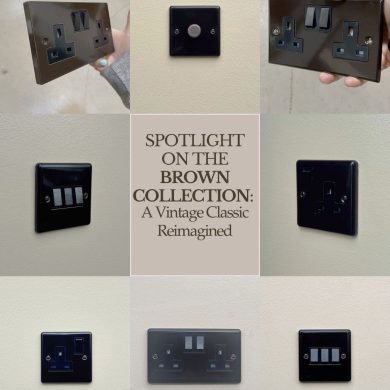
For anyone renovating a period property, the smallest details often carry the greatest weight. Original fixtures (especially electrical hardware) help preserve the character and authenticity... Continue reading

At Bromleighs, every collection tells a story of British craftsmanship and the Forge Collection is one of our most characterful. Inspired by traditional metalworking and... Continue reading

Renovating a period home is about more than modern upgrades - it’s about honouring history while creating a space that feels timeless and personal. In... Continue reading
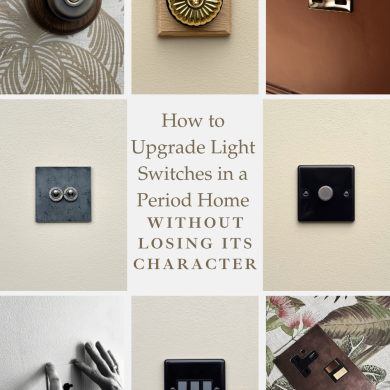
Owning a period property is like holding a piece of living history. Whether it’s a Georgian terrace, a Victorian villa or an Arts & Crafts... Continue reading