

No products in the cart.


When you’re restoring a period home, selecting authentic electrical hardware is key to maintaining its historical charm.
Choose materials like brass or porcelain to align with the home’s original era. Ensure modern safety standards do not compromise the aesthetic.
Consider ornate switch plates for Victorian homes or simpler designs for Arts and Crafts styles.
Partnering with skilled installers familiar with preservation techniques can help seamlessly blend functionality and authenticity.
Curious about sourcing the perfect pieces?
Key Takeaways
- Choose brass or porcelain materials for period-specific authenticity in Victorian and Edwardian homes.
- Verify that vintage hardware meets modern electrical standards for safety and compatibility.
- Source from reputable suppliers known for high-quality vintage or reproduction electrical hardware.
- Use ornate switch plates in Victorian styles and simpler ones for Arts and Crafts interiors.
- Employ installers experienced in historic preservation to maintain the home’s historical integrity.
Choosing the Right Style for Your Period Home

How do you guarantee your period home reflects its historical roots while incorporating modern comforts? Start by understanding period-specific styles and the architectural influences that define your home’s era. Whether it’s a Victorian, Arts and Crafts, or Colonial Revival, each period has unique design elements that can guide your choices. Identify key architectural features like cornices, mouldings, or window styles that are characteristic of your home’s original design. Use these elements to select electrical hardware that harmonises with the existing aesthetic. For example, ornate switch plates with intricate designs suit Victorian homes, while simpler, unadorned plates fit the Arts and Crafts style. By carefully considering these details, you confirm your home remains true to its historical character while embracing modern amenities.
Exploring Material Options for Authenticity
- Brass: Renowned for its long-lasting nature, it offers a warm, traditional appearance suitable for Victorian and Edwardian homes.
- Porcelain: Ideal for early 20th-century interiors, it adds a classic touch with its smooth, clean finish.
- Bakelite: A vintage choice from the 1920s-1950s, this material blends durability with retro charm.
- Iron: Perfect for rustic or industrial settings, it lends a sturdy, timeless feel.
Each material option serves to enhance your home’s historic charm.
Ensuring Compatibility With Modern Electrical Standards

While embracing the charm of authentic electrical hardware, guaranteeing compatibility with modern electrical standards is essential. You need to prioritise electrical safety without compromising the historical integrity of your interiors. Begin by confirming that any vintage or reproduction hardware meets current code compliance. This guarantees that every piece is safe and aligns with today’s regulations. Examine the wiring and internal components closely; they should be updated or certified to handle modern electrical loads. Installers with expertise in historic preservation can help retrofit antique fixtures with new wiring discreetly. Additionally, use residual-current devices (RCDs) to prevent electrical hazards. By balancing authenticity with safety, you maintain the historical ambience of your space while adhering to necessary modern standards.
Sourcing Reliable Reproductions and Vintage Finds
When you’re seeking to preserve the timeless elegance of historical interiors, finding reliable reproductions and genuine vintage electrical hardware is crucial. Vintage sourcing requires a keen eye and understanding of your period’s aesthetics. High reproduction quality ensures that new pieces mimic original designs, maintaining authenticity. To navigate this journey, consider these tips:
- Research reputable suppliers: Seek vendors with a proven track record in vintage sourcing and reproduction quality.
- Inspect craftsmanship: Examine the details, materials, and finishes to ensure they match historical standards.
- Verify historical accuracy: Confirm that the pieces align with the era’s design ethos and technological constraints.
- Utilise online marketplaces: Platforms like eBay and Etsy can be treasure troves for genuine vintage finds.
Installation Tips for Preserving Historic Integrity

To preserve the historic integrity of your space during installation, start by understanding the specific needs of your period’s architecture. Research the original construction methods and materials used. This guarantees that your installation aligns with historical accuracy. Use preservation techniques that minimise alterations to original structures. For example, when running new wiring, consider using existing conduits or pathways to avoid unnecessary damage.
Select compatible materials and colours that match the era of your home. This attention to detail maintains aesthetic continuity. Employ reversible methods where possible, allowing future removal without harm. When installing light fixtures, verify they’re period-appropriate and don’t overshadow original features. By respecting historical contexts and employing precise techniques, you’ll successfully preserve the timeless charm and integrity of your historic interiors.
Frequently Asked Questions
How Can I Maintain Electrical Safety While Using Historic Hardware?
To maintain electrical safety with historic hardware, you should schedule regular safety inspections and consider necessary wiring upgrades. Verify the wiring is compatible with modern standards while preserving the historical aesthetic. Use a qualified electrician to assess potential hazards and make adjustments. Don’t overlook earthing and insulation. By blending historical accuracy with current safety standards, you can enjoy the charm of historic hardware without compromising safety.
Are There Eco-Friendly Options for Period-Appropriate Electrical Fixtures?
When you’re aiming for eco-friendly, period-appropriate electrical fixtures, look for options crafted from sustainable materials. Vintage designs don’t have to compromise on being green. Many manufacturers now create fixtures using recycled metals or responsibly-sourced wood, ensuring historical accuracy while supporting sustainability. Consider LED bulbs with vintage appearances to maintain authenticity. By blending these elements, you preserve the charm of the past while embracing modern environmental consciousness.
What Are Some Common Pitfalls When Restoring Historic Electrical Systems?
When restoring historic electrical systems, you’ll encounter common pitfalls like overlooking the fragility of period wiring. Use meticulous restoration techniques to avoid damaging original materials. It’s vital to understand the historical context to guarantee accuracy. Don’t rush the process; carefully document and label everything to maintain authenticity. Be aware that modern codes might conflict with period authenticity, so consult with experts to balance safety and historical integrity.
Can Historic Hardware Impact a Property’s Resale Value?
When considering resale trends, you’ll find that historic hardware can greatly impact a property’s resale value. Buyers often prefer authentic details that maintain a property’s historical integrity, enhancing its appeal. By preserving period-appropriate features, you’re aligning with buyer preferences, potentially boosting your property’s marketability. It’s important to verify these elements are functional and safe, as modern buyers value both aesthetics and practicality in historic homes.
How Do I Find Specialists for Repairing Antique Electrical Fixtures?
To find specialists for repairing antique electrical fixtures, start by searching online for antique restoration experts who focus on vintage wiring techniques. Check reviews and portfolios to ensure their work is historically accurate. Local historical societies or preservation groups can also provide recommendations. Don’t forget to enquire about previous projects and experience with similar fixtures. A specialist’s attention to detail and awareness of historical context is essential for a successful restoration.


Related posts
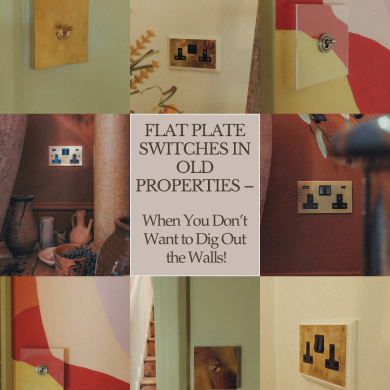
Renovating or upgrading electrics in old properties often comes with a familiar challenge: shallow back boxes hidden behind thick plaster, solid masonry or uneven walls.... Continue reading
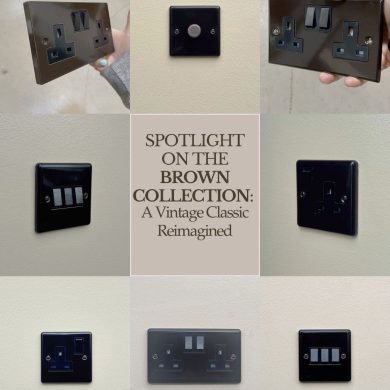
For anyone renovating a period property, the smallest details often carry the greatest weight. Original fixtures (especially electrical hardware) help preserve the character and authenticity... Continue reading
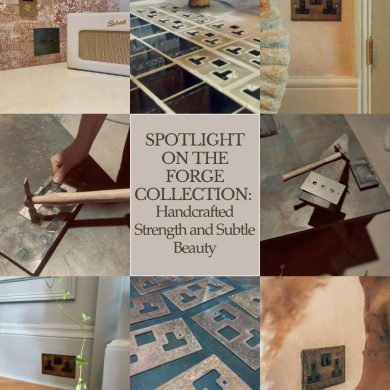
At Bromleighs, every collection tells a story of British craftsmanship and the Forge Collection is one of our most characterful. Inspired by traditional metalworking and... Continue reading

Renovating a period home is about more than modern upgrades - it’s about honouring history while creating a space that feels timeless and personal. In... Continue reading
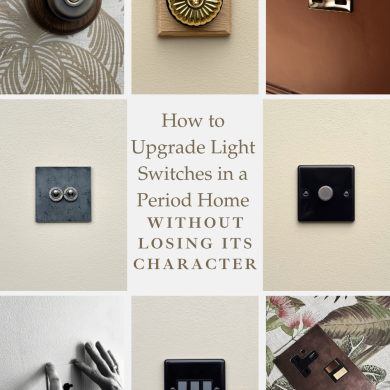
Owning a period property is like holding a piece of living history. Whether it’s a Georgian terrace, a Victorian villa or an Arts & Crafts... Continue reading