

No products in the cart.


When restoring vintage electrical systems, you’ll want to focus on three key switch types: porcelain rotary switches, Bakelite toggle switches, and push button light switches.
Each offers distinct historical value and technical attributes. Porcelain rotary switches provide durability and a connection to early electrical innovations.
Bakelite toggles, with their mid-20th-century charm, boast heat-resistant properties.
Push buttons bring elegance and simplicity.
Understanding these switches’ roles in design evolution will deepen your appreciation of restoration projects.
Key Takeaways
- Porcelain rotary switches offer durability and a tactile experience, ideal for authentic vintage restorations.
- Bakelite toggle switches are known for their heat resistance and classic mid-20th-century design.
- Push button light switches provide elegant aesthetics and straightforward operation, enhancing historical appeal.
- Maintaining original materials ensures authenticity and preserves historical integrity in switch restorations.
- Vintage switches connect restorations to early electrical innovation and design craftsmanship.
Porcelain Rotary Switches

Porcelain rotary switches, a relic from the early days of electrical design, offer a fascinating glimpse into the evolution of home electrical systems. As you explore porcelain switch history, you’ll find these switches were instrumental in converting homes to electric lighting in the late 19th and early 20th centuries. Crafted with durable porcelain, they safeguarded against electrical heat, an essential feature when insulation was primitive. The rotary mechanism allowed for smooth operation and a tactile user experience, which many modern switches lack. In vintage switch restoration, maintaining the integrity of these components is critical. You’ll need to carefully clean the porcelain and verify the contacts are free from corrosion, guaranteeing both functionality and historical accuracy in your restoration project.
Bakelite Toggle Switches
Bakelite toggle switches, a staple of mid-20th-century electrical design, introduced a new era of innovation with their distinctive materials and functionality. Bakelite, invented by Leo Baekeland in 1907, was the first synthetic plastic, revolutionising switch production with its heat-resistant properties. These switches became popular due to their durability and sleek design, reflecting Bakelite design history’s impact on everyday items. When selecting Bakelite toggle switches for restorations, you’ll appreciate the range of Bakelite colour variations such as black, brown, and even marbled patterns, each adding authentic charm. Technically, these switches use a simple lever mechanism, providing reliable performance over decades. Their aesthetic appeal and historical significance make them ideal for vintage restorations, capturing the essence of a bygone era.
Push Button Light Switches

Push button light switches, with their timeless elegance and straightforward operation, emerged as a hallmark of early 20th-century electrical innovation. These switches gained popularity due to their unique design and functionality, reflecting the era’s push button history. Initially crafted to streamline the operation of electrical circuits, they replaced rotary and toggle mechanisms with a simple press. Their vintage aesthetics, characterised by sleek, often porcelain or Bakelite buttons, add a classic touch to any restoration project. Technically, they operate using a spring-loaded mechanism, which opens and closes the electrical circuit when the button is pressed. As you seek authentic restoration elements, incorporating these switches will not only enhance functionality but also provide a tangible connection to an era focused on both design and utility.
Frequently Asked Questions
How Can I Identify the Age of a Vintage Electrical Switch?
To identify the age of a vintage electrical switch, you’ll use dating methods and examine switch materials. Start by inspecting the materials; early switches often used porcelain or Bakelite, whilst later ones might feature plastic. Check for manufacturer’s marks or patent numbers, as they can provide historical context. Cross-reference these details with catalogues or databases to pinpoint the era. Analysing wear patterns and design styles can also offer technical accuracy in dating.
Are Vintage Electrical Switches Safe for Modern Home Use?
When you’re considering if vintage electrical switches are safe for modern home use, it’s vital to assess if they meet current safety standards and electrical codes. Many older switches were designed before today’s rigorous safety regulations, which means they might lack essential features like earthing. You should consult a professional electrician to guarantee any vintage switch is retrofitted or replaced to comply with contemporary safety requirements, assuring a secure and functional installation.
What Is the Best Way to Clean and Maintain Vintage Switches?
When you’re cleaning vintage switches, start with gentle techniques like using a soft, damp cloth to remove dust. Avoid harsh chemicals that might damage the finish. For maintenance, regularly inspect for loose connections and corrosion. Historically, these switches were built sturdy, but they need occasional care. Technical accuracy is essential, so ensure the circuit is off before maintenance. These tips will help preserve the switch’s functionality and keep its vintage charm intact.
Where Can I Purchase Authentic Vintage Electrical Switches?
You’re seeking authentic vintage electrical switches, and you’ll find them through vintage switch marketplaces and antique electrical suppliers. These specialised outlets often offer a curated selection of historically accurate pieces, reflecting the craftsmanship of bygone eras. Check online platforms like Etsy or eBay for individual sellers, or explore dedicated antique hardware shops. Verify the switches meet current safety standards, combining historical aesthetics with modern functionality for your restoration projects.
Can Vintage Switches Be Integrated With Modern Smart Home Systems?
You might wonder if vintage switches can work with modern smart home systems. Smart technology integration with vintage switch compatibility is indeed possible. Historically, these switches were purely mechanical, but today, you can retrofit them with smart modules. This allows you to keep the aesthetic charm while ensuring technical accuracy in functionality. By using smart relays or adaptors, you can seamlessly integrate these timeless pieces into your contemporary smart home setup.


Related posts
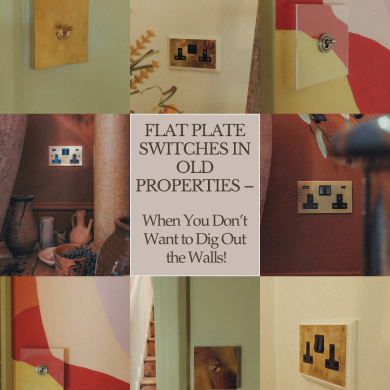
Renovating or upgrading electrics in old properties often comes with a familiar challenge: shallow back boxes hidden behind thick plaster, solid masonry or uneven walls.... Continue reading
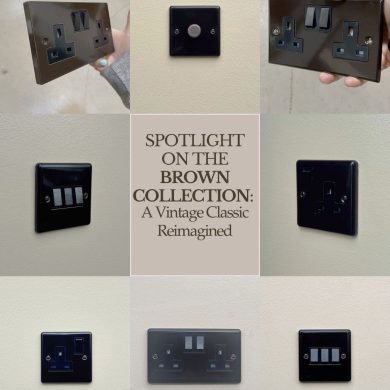
For anyone renovating a period property, the smallest details often carry the greatest weight. Original fixtures (especially electrical hardware) help preserve the character and authenticity... Continue reading

At Bromleighs, every collection tells a story of British craftsmanship and the Forge Collection is one of our most characterful. Inspired by traditional metalworking and... Continue reading

Renovating a period home is about more than modern upgrades - it’s about honouring history while creating a space that feels timeless and personal. In... Continue reading
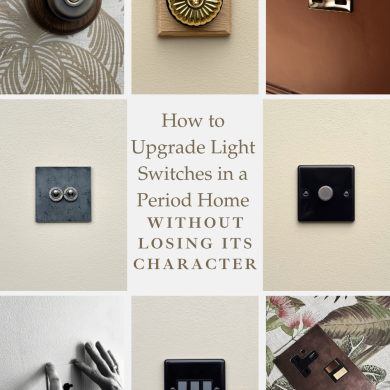
Owning a period property is like holding a piece of living history. Whether it’s a Georgian terrace, a Victorian villa or an Arts & Crafts... Continue reading
