

No products in the cart.


When considering vintage-style electrical switches for restorations, you might have numerous questions swirling in your mind.
How do these switches blend with modern electrical demands? Are they safe and reliable?
Finding authentic pieces can be tricky, and you’ll want to guarantee they meet today’s standards whilst preserving historical charm.
Understanding these elements is essential to successfully incorporating vintage switches into your project, but there’s more to explore in this fascinating intersection of past and present.
Key Takeaways
- Ensure vintage-style switches are compatible with modern wiring and electrical systems to prevent hazards.
- Verify the voltage and amperage ratings of switches to match home electrical requirements.
- Consider consulting a professional electrician for installation in restoration projects.
- Source switches from reputable suppliers to guarantee authenticity and quality craftsmanship.
- Check for smooth operation and safety compliance in vintage-style switches for reliable everyday use.
Understanding the Appeal of Vintage-Style Switches

Although modern technology offers sleek and efficient electrical solutions, there’s an undeniable charm in vintage-style switches that captivates both homeowners and restoration enthusiasts. You might find that these switches bring a unique aesthetic charm to any space, transforming an ordinary room into one that tells a story. Their intricate designs often reflect historical significance, harking back to periods when craftsmanship was paramount. The appeal lies in their ability to evoke nostalgia while complementing contemporary décor. You’re not just installing a switch; you’re integrating a piece of history into your home. This connection to the past offers a tangible link to bygone eras, making these switches more than mere functional elements—they become conversation starters and focal points in your restoration projects.
Key Features to Look for in Vintage-Style Electrical Switches
As you embrace the charm of vintage-style switches, identifying key features becomes paramount to making informed choices for your restoration projects. Start by examining the design aesthetics. Look for switches that seamlessly blend with the era you’re replicating, considering elements like material, colour, and finish. They should evoke the authentic look and feel of the time period, enhancing your space’s historical ambience.
Next, focus on functionality features. Ascertain the switches offer reliable performance, balancing form with function. Look for quality craftsmanship that stands the test of time. Features such as smooth operation, durable materials, and safety compliance are essential. This attention to detail guarantees that your vintage-style switches not only look the part but also deliver dependable, everyday use in your home.
Compatibility With Modern Electrical Systems

When choosing vintage-style electrical switches for your restoration project, ensuring compatibility with modern electrical systems is essential. You’ll need to verify modern wiring compatibility by confirming the switches can handle contemporary electrical standards. Check the voltage and amperage ratings to confirm they meet your home’s requirements. Electrical load considerations are vital; vintage-style switches must support the power demands of current appliances and lighting. Examine the switch’s design and materials to see if they can safely accommodate the electrical load without overheating or failing. Be aware that some vintage-style switches may need adaptors or modifications to fit seamlessly into your existing system. By evaluating these factors, you’ll ensure both aesthetic appeal and functional integrity in your restoration work.
Installation Considerations for Restoration Projects
Installing vintage-style electrical switches in restoration projects demands careful planning and methodical execution. You must consider the wiring requirements to guarantee compatibility with modern standards while maintaining the vintage aesthetic. Carefully assess the existing electrical infrastructure, as older homes often have outdated wiring that may require upgrading. Pay attention to switch placement, which should reflect both historical accuracy and modern convenience. Position switches at accessible heights and locations, ensuring they complement the original design without compromising functionality. Evaluate the electrical load to prevent overloading circuits, and consult a professional electrician if necessary. Precise measurements and thoughtful planning can help you achieve a seamless blend of vintage charm and contemporary safety in your restoration project.
Sourcing Authentic Vintage-Style Switches and Components

With the installation considerations in mind, your next step is to procure authentic vintage-style switches and components that align with your restoration’s aesthetic goals. Finding the right vintage suppliers is vital; they provide access to authentic materials that maintain historical integrity. When sourcing, consider:
- Reputable Vintage Suppliers: Look for suppliers with a track record of authenticity and reliability.
- Material Authenticity: Verify the materials used in the switches match the period you’re emulating.
- Component Compatibility: Confirm that the components are compatible with modern electrical standards.
- Restoration Specialists: Consult specialists who can offer insights on sourcing and installation.
- Online Marketplaces: Explore platforms dedicated to vintage restoration for a broader selection.
Frequently Asked Questions
How Do Vintage-Style Switches Impact Energy Efficiency in Homes?
When considering vintage-style switches, you might wonder about their impact on energy consumption. These switches primarily offer vintage aesthetics without affecting energy efficiency directly. However, their compatibility with modern wiring and devices is essential. Make sure they meet current electrical standards to avoid energy loss. While they enhance a home’s historical charm, focus on integrating them with efficient lighting systems to maintain overall energy efficiency in your home.
Are Vintage-Style Switches Available in Sustainable or Eco-Friendly Materials?
When you’re considering vintage-style switches, you’ll find that there are sustainable materials and eco-friendly options available. Manufacturers are increasingly using materials like recycled metals and responsibly sourced wood, which help reduce environmental impact. It’s important to assess the entire lifecycle of the switch, from production to disposal, to guarantee it’s truly sustainable. By choosing these eco-friendly options, you can maintain vintage aesthetics while supporting environmental responsibility in your home.
What Are the Maintenance Requirements for Vintage-Style Electrical Switches?
To maintain vintage-style electrical switches, you should regularly employ cleaning techniques such as gentle dusting or wiping with a damp cloth to ensure they remain dust-free. Avoid harsh chemicals that might damage the finish. Longevity factors include ensuring proper installation and avoiding excessive moisture exposure. Regular checks for wear and tear can prevent malfunctions, helping these switches last longer while maintaining their aesthetic appeal and functionality in your restoration project.
Can Vintage-Style Switches Be Customized for Unique Restoration Projects?
You are wondering if vintage-style switches can be customised for unique restoration projects. Absolutely, they can! You will find a variety of custom designs and unique finishes available to match your vision. Manufacturers offer options that allow you to personalise the aesthetics, ensuring harmony with your restoration’s theme. Consider factors like the era, material, and finish to create a cohesive look. By selecting bespoke options, you will enhance both functionality and authenticity.
How Do Vintage-Style Switches Affect Home Insurance Policies?
When you install vintage-style switches, it’s essential to take into account insurance coverage and policy implications. These switches might affect your home insurance if they don’t meet modern safety standards. You should check with your insurer to see if they require any specific certifications or additional inspections. Failure to comply could lead to denied claims or increased premiums. Always verify your restoration aligns with policy terms to maintain effective cover.


Related posts
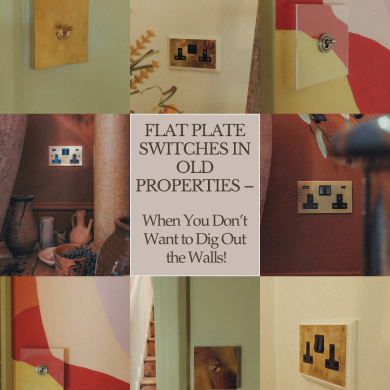
Renovating or upgrading electrics in old properties often comes with a familiar challenge: shallow back boxes hidden behind thick plaster, solid masonry or uneven walls.... Continue reading
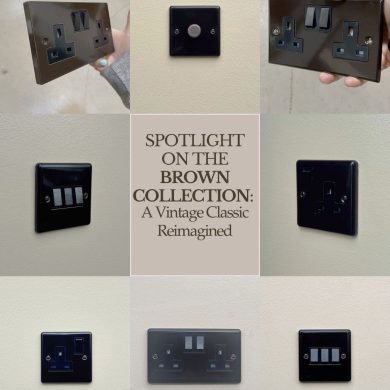
For anyone renovating a period property, the smallest details often carry the greatest weight. Original fixtures (especially electrical hardware) help preserve the character and authenticity... Continue reading
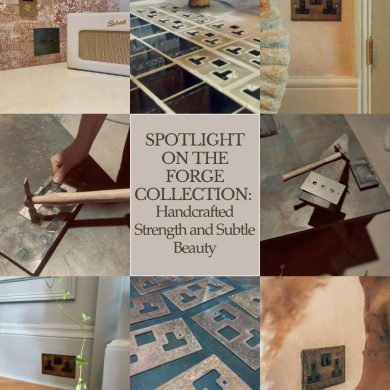
At Bromleighs, every collection tells a story of British craftsmanship and the Forge Collection is one of our most characterful. Inspired by traditional metalworking and... Continue reading

Renovating a period home is about more than modern upgrades - it’s about honouring history while creating a space that feels timeless and personal. In... Continue reading
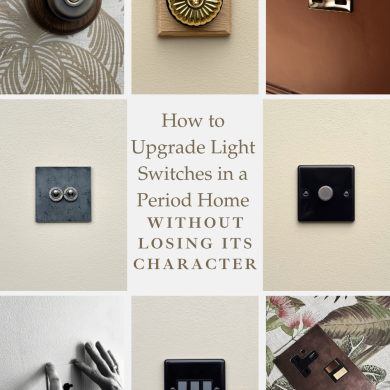
Owning a period property is like holding a piece of living history. Whether it’s a Georgian terrace, a Victorian villa or an Arts & Crafts... Continue reading