

No products in the cart.
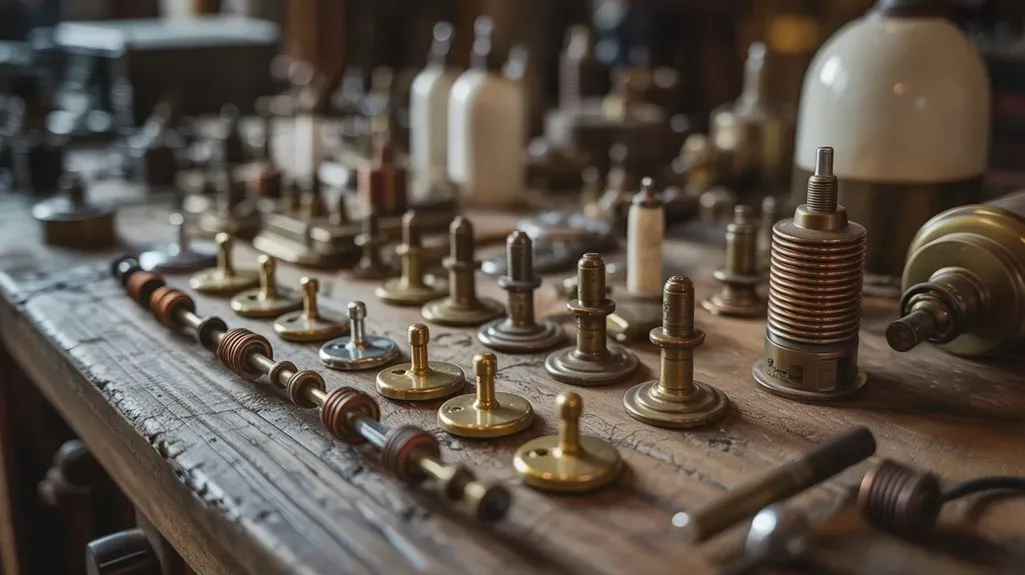

When you’re tasked with reviving the electrical systems in a historical building, it’s essential to balance authenticity with functionality.
You’ll need to carefully select switches and sockets that complement the original design whilst ensuring they meet current safety standards.
Using materials like brass or Bakelite can help maintain the building’s aesthetic integrity.
By integrating subtle wiring solutions, you can preserve architectural features.
But how do you address modern needs without compromising the heritage?
Key Takeaways
- Choose materials such as brass, porcelain, or Bakelite to ensure authentic restoration and maintain historical aesthetics.
- Evaluate existing electrical systems for capacity, condition, and compatibility with modern energy demands and safety standards.
- Select vintage-style switches and period-specific light fittings to harmonise with the building’s historical character.
- Use cloth-covered wiring and aged finishes to replicate the historical era’s visual and tactile qualities.
- Collaborate with specialists to develop tailored electrical plans that respect the building’s historical significance and architectural integrity.
Assessing Electrical Needs for Historical Structures

When tackling the challenge of evaluating electrical needs for historical structures, you must first understand the unique requirements and constraints these buildings present. Start by examining existing systems to gauge their capacity and condition. Consider how modern electrical demands affect energy efficiency, ensuring any upgrades align with historical compliance. This involves balancing preservation with technological advancements, maintaining the building’s integrity whilst meeting current standards.
Analyse wiring and load distribution, identifying areas where enhancements can improve efficiency without compromising historical elements. Pay attention to the building’s architectural features, integrating solutions that respect the original design. Consult historical records and preservation guidelines to ensure all interventions are reversible and minimally invasive. This meticulous approach guarantees that your work preserves history whilst optimising electrical functionality.
Selecting Authentic Switches and Sockets
To faithfully preserve the historical ambience of a building while upgrading its electrical system, selecting authentic switches and sockets is crucial. You’ll want to choose products that blend seamlessly with the original design, using authentic materials and traditional craftsmanship. Consider these key elements:
- Material: Opt for brass, porcelain, or bakelite for a period-accurate touch.
- Design: Seek out toggle or rotary switches, which reflect the era’s style.
- Finish: Aged or patina finishes enhance authenticity and charm.
- Details: Look for intricate engravings or period-specific motifs.
- Craftsmanship: Guarantee hand-finished pieces replicate historical accuracy.
Ensuring Compatibility With Modern Standards

While preserving the historical essence of a building is essential, ensuring that the electrical components meet modern safety and efficiency standards is equally vital. Begin by thoroughly evaluating your building’s current electrical infrastructure. You should consult with a specialist who understands both historical preservation and modern regulations. They will help you identify necessary upgrades to align with today’s codes.
Focus on installing wiring and circuit breakers that enhance energy efficiency without compromising the building’s character. Modern regulations demand superior safety standards and energy-efficient solutions. Utilise advanced materials that minimise energy loss, reducing costs and environmental impact. Retrofit old systems with energy-efficient lighting and appliances while ensuring compatibility with the existing setup. This approach safeguards both the building’s heritage and your electrical compliance.
Preserving Aesthetic Integrity With Period-Appropriate Hardware
When preserving the aesthetic integrity of old buildings, you must focus on authentic restoration techniques to guarantee any updates remain true to the original style. Matching historical styles involves a detailed examination of existing hardware and thoughtful selection of replacements that blend seamlessly. Sourcing vintage components can be challenging, but using specialised suppliers and knowledgeable craftsmen helps maintain the building’s historical character while upgrading its electrical systems.
Authentic Restoration Techniques
Restoring old buildings to their former glory requires meticulous attention to detail, ensuring that every component aligns with the period’s aesthetic. Embrace authentic restoration techniques by focusing on traditional craftsmanship, which captures the essence of vintage aesthetics. When selecting electrical components, consider:
- Reproduced Switches: Choose toggle switches that mirror the original design.
- Bakelite Sockets: Opt for materials that were prevalent during the building’s era.
- Cloth-Covered Wiring: Implement wiring that replicates the appearance of historical materials.
- Period Light Fittings: Install fittings that reflect the architectural style of the time.
- Handcrafted Plates: Use switch and outlet plates crafted to match period details.
Matching Historical Styles
To achieve true historical authenticity in your restoration project, select hardware that maintains the building’s original aesthetic integrity. Focus on historical aesthetics by choosing period-appropriate electrical components that align with the era of your structure. Consider the design continuity; each piece should seamlessly integrate with the architectural style, ensuring that new installations don’t disrupt the visual harmony. Look for switches, outlets, and fixtures that replicate the original designs, paying attention to materials and finishes that reflect the time period. Maintain historical accuracy by consulting architectural guides specific to your building’s era. This approach guarantees that the functionality of modern electrical components complements the charm of traditional design, preserving your building’s character whilst meeting contemporary standards.
Sourcing Vintage Components
Many enthusiasts find that sourcing vintage electrical components is both challenging and rewarding when preserving a building’s aesthetic integrity. With a focus on vintage sourcing, you guarantee component authenticity by tracking down period-appropriate hardware. Start your search in specialised salvage yards that often house hidden gems. Online marketplaces can also be treasure troves, allowing you to connect with sellers who understand historical value. Keep an eye out for local auctions where unique finds might surface. Restoration workshops can offer guidance and potential leads. To visualise the endeavour:
- Salvage Yards: Unearth forgotten treasures.
- Online Marketplaces: Connect with niche sellers.
- Local Auctions: Discover rare pieces.
- Restoration Workshops: Gain expert insights.
- Architectural Antiques Stores: Browse curated collections.
These methods guarantee that your restoration project maintains its historical essence.
Techniques for Integrating New Wiring Systems
When integrating new wiring systems into old buildings, it is vital to harmonise modern technology with historical integrity. Begin by selecting materials that complement the original architecture, ensuring wiring aesthetics are preserved. You should opt for discreet conduits and wiring solutions that blend seamlessly with the building’s unique features. Energy efficiency is significant, so choose modern materials and techniques that reduce energy consumption without disrupting the historic charm. Implement advanced insulation and low-profile LED lighting to enhance efficiency while maintaining period authenticity.
Carefully plan the wiring routes to minimise structural alterations. Use existing conduits or hidden spaces behind walls and under floorboards. This minimises the visual impact and helps retain the building’s original character. In doing so, you’ll respect the structure’s past while preparing it for the future.
Addressing Safety Concerns in Heritage Restorations

When upgrading electrical systems in heritage buildings, you must prioritise safety while ensuring the architectural integrity remains intact. Focus on using minimally invasive techniques that align with current standards, reducing the risk of compromising historical elements. Implementing modern solutions requires careful planning and collaboration with preservation experts to maintain the building’s original character.
Upgrading Electrical Systems Safely
While upgrading electrical systems in heritage buildings presents unique challenges, doing so safely is essential to preserving both the structure and its historical value. Guaranteeing electrical safety while implementing wiring upgrades requires a meticulous approach. Start by evaluating the existing system to identify potential hazards.
- Inspect all wiring and components to ensure they meet modern safety standards.
- Prioritise non-intrusive methods to minimise disruption to the building’s fabric.
- Use period-appropriate materials that blend seamlessly with the building’s original design.
- Implement advanced safety features, such as surge protection, to guard against electrical faults.
- Consult with specialists experienced in heritage restorations for expert guidance.
Preserving Architectural Integrity
Ensuring the architectural integrity of heritage buildings during electrical upgrades requires a balance between preservation and modernisation. You must approach heritage conservation with a keen eye for detail, ensuring any electrical modifications do not compromise the building’s original design. Begin by conducting a thorough assessment of the existing systems and architectural features. Investigate concealed spaces for hidden wiring paths that align with your architectural restoration goals. Employ non-invasive techniques to avoid altering historical surfaces. Select materials and components that mimic the original aesthetics while meeting modern safety standards. Collaborating with preservation experts ensures that any intervention respects the building’s historical context. Remember, the goal is to enhance safety and functionality without sacrificing the unique character defining these treasured structures.
Collaborating With Experts in Historical Renovations
Collaborating with experts in historical renovations is essential to preserving the architectural integrity of old buildings while updating their electrical systems. You’ll need expert consultations to guarantee historical accuracy and maintain the charm of these structures. Here are key aspects to take into account:
- Evaluating existing electrical systems to determine necessary upgrades without disturbing the original framework.
- Researching period-specific materials to match the historical context and aesthetics.
- Developing tailored electrical plans that respect the building’s historical significance while guaranteeing modern safety standards.
- Implementing discreet wiring solutions that preserve the building’s visual appeal.
- Engaging in ongoing communication with preservationists to align with historical guidelines and regulations.
Frequently Asked Questions
How Do Electrical Upgrades Affect the Building’s Historical Value?
When you upgrade electrical systems in historic buildings, you’re walking a fine line between maintaining historical integrity and achieving modernisation balance. It’s vital to guarantee that these upgrades don’t compromise the building’s original character. Careful planning is essential to integrate new technology discreetly, preserving the architectural aesthetics. By respecting the building’s history while enhancing safety and functionality, you preserve its essence, making certain its legacy endures for future generations.
Are There Grants Available for Restoring Electrical Systems in Heritage Buildings?
You’re probably wondering about funding opportunities for restoring electrical systems in heritage buildings. Yes, there are grants available, but you’ll need to guarantee grant eligibility by meeting specific preservation criteria. Start by researching government agencies and nonprofit organisations focused on historical preservation. They often offer grants designed to support sustainable upgrades while maintaining a building’s historical integrity. It’s essential to present a detailed project plan that aligns with preservation goals.
What Are the Common Challenges Faced When Sourcing Vintage Electrical Components?
When you’re vintage sourcing for electrical components, you’ll often face challenges such as component compatibility and scarcity. Many old parts are no longer manufactured, making it difficult to find exact matches. You must ensure modern replacements fit within the existing infrastructure without compromising the building’s integrity. Additionally, maintaining safety standards whilst preserving historical authenticity requires meticulous assessment and possible custom solutions to bridge the gap between old and new technologies.
How Do Weather Conditions Impact the Longevity of Restored Electrical Systems in Old Buildings?
You need to evaluate how weather conditions can impact restored electrical systems. Moisture damage is a significant threat, as damp environments can corrode components, leading to failures. Temperature fluctuations also play a critical role. Expanding and contracting parts due to varying temperatures can cause connections to loosen over time. By carefully monitoring these factors, you can guarantee these systems remain functional and preserve the building’s integrity for years to come.
What Are the Insurance Implications of Upgrading Electrical Systems in Heritage Properties?
When you upgrade electrical systems in heritage properties, insurance coverage might change. You’ll need to assess liability concerns, verifying upgrades meet current safety standards. Proper documentation and compliance with preservation guidelines are vital. Insurance providers may offer better terms if systems are modernised, reducing fire risks and potential damages. It’s important to communicate with your insurer to understand how these upgrades impact your coverage and guarantee all liabilities are addressed.


Related posts
Renovating or upgrading electrics in old properties often comes with a familiar challenge: shallow back boxes hidden behind thick plaster, solid masonry or uneven walls.... Continue reading
For anyone renovating a period property, the smallest details often carry the greatest weight. Original fixtures (especially electrical hardware) help preserve the character and authenticity... Continue reading

At Bromleighs, every collection tells a story of British craftsmanship and the Forge Collection is one of our most characterful. Inspired by traditional metalworking and... Continue reading

Renovating a period home is about more than modern upgrades - it’s about honouring history while creating a space that feels timeless and personal. In... Continue reading
Owning a period property is like holding a piece of living history. Whether it’s a Georgian terrace, a Victorian villa or an Arts & Crafts... Continue reading
