
When commencing a heritage restoration, you’ll discover the significance of period accurate sockets in preserving a building’s original charm.
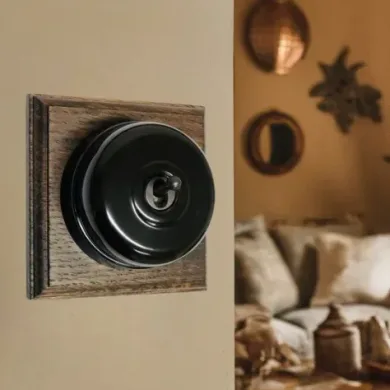
These sockets aren’t just functional; they embody the design ethos of their time, whether crafted from Bakelite or porcelain.
As you navigate sourcing these vintage designs, you’ll also need to contemplate how to seamlessly integrate modern safety standards.
What methods guarantee you maintain both authenticity and compliance in your project?
Key Takeaways
- Identify the property’s era to select sockets matching original specifications and maintain historical integrity.
- Source sockets from suppliers specialising in authentic reproductions or salvaged original pieces.
- Ensure sockets replicate historical designs while integrating modern safety features and compliance with current electrical codes.
- Choose socket materials like porcelain or Bakelite, reflecting the era’s design and technological advancements.
- Employ expert installation techniques to maintain the integrity and authenticity of vintage socket installations.
Understanding the Importance of Authentic Sockets

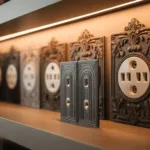
When restoring heritage properties, understanding the importance of authentic sockets cannot be overstated. You need to appreciate their historical significance, as they contribute to preserving the original character of a building. Authentic sockets serve as tangible reminders of past technological advancements and societal changes, reflecting the design evolution over time. Each socket style, whether Art Deco, Victorian, or Edwardian, tells a story of the era’s aesthetic preferences and engineering prowess.
Ensuring period accuracy requires meticulous research. You should explore historical records and photographs, identifying the specific styles used during the property’s construction. By doing so, you maintain the architectural integrity and offer visitors a genuine glimpse into the past. Authentic sockets are not mere accessories; they are pivotal to the heritage restoration narrative.
Key Features of Vintage Electrical Sockets
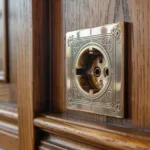
Vintage electrical sockets are fascinating relics of past engineering and design. They offer a glimpse into the historical significance of early electrical systems. You’ll notice that the design variations are not just aesthetic; they reflect the technological advancements and cultural trends of their time. For instance, some sockets feature intricate porcelain bases, whilst others showcase brass or Bakelite finishes. The materials used were chosen for durability and safety, a demonstration of the craftsmanship of earlier eras.
You’ll find that many vintage sockets include unique pin configurations and switch mechanisms, which were designed to accommodate the electrical standards of their period. Understanding these key features is essential for anyone involved in heritage restorations, as they guarantee authenticity and respect for historical integrity.
Sourcing Period-Specific Socket Designs

To honour the historical integrity of vintage electrical systems, sourcing period-specific socket designs becomes a key focus for heritage restorations. You must consider both the socket materials and historical designs to achieve authenticity. Start by identifying the era of the property to guarantee the sockets match the original specifications.
Utilise the table below to aid your selection:
| Era | Common Socket Materials |
|---|---|
| Victorian | Brass, Porcelain |
| Edwardian | Bakelite, Ceramic |
| Art Deco | Chrome, Glass |
| Mid-Century | Aluminium, Plastic |
| Industrial | Cast Iron, Steel |
Research suppliers who specialise in reproductions or salvage original pieces from architectural reclamation sources. By prioritising accuracy in socket materials and historical designs, you’ll preserve the unique charm and character of the building.
Integrating Modern Safety Standards With Vintage Aesthetics
How can you seamlessly blend modern safety standards with the vintage aesthetics of period-accurate sockets? Start by selecting sockets that replicate historical designs but incorporate contemporary safety features. Look for manufacturers specialising in heritage restorations who offer products with concealed earthing and durable, heat-resistant materials. Ensure compatibility with current electrical codes by choosing sockets with integrated surge protection and tamper-resistant shutters. You must keep an eye on the finish—opt for antique brass or porcelain to maintain that authentic look. While these sockets are crafted to resemble their vintage counterparts, they shouldn’t compromise on modern safety. By combining these elements, you preserve the charm of historical environments without sacrificing the protection and reliability required today.
Expert Tips for Installing Period Accurate Sockets

As you embrace the task of blending modern safety with vintage charm in your restoration project, the installation of period-accurate sockets demands precision and expertise. Understanding socket installation techniques and vintage electrical codes is essential. Here are some expert tips to guide you:
- Research Vintage Electrical Codes: Familiarise yourself with the specific electrical standards from the period you’re replicating to guarantee compliance and authenticity.
- Select Authentic Materials: Use materials that match the era of your restoration, such as Bakelite or ceramic, for an authentic look and feel.
- Inspect Existing Wiring: Before installing, assess the current wiring’s condition to guarantee it meets safety standards and can support the new installations.
- Use Proper Tools: Equip yourself with tools designed for delicate installations to avoid damaging vintage materials.
Frequently Asked Questions
How Do You Identify the Exact Period of a Socket Design?
To identify the exact period of a socket design, you’ll need a keen eye for historical significance and technical details. First, examine materials, shapes, and manufacturer markings. Then, compare these with historical records or catalogues. Recognise unique design elements that align with specific eras. Don’t hesitate to consult experts or databases for contextual accuracy. This method guarantees you pinpoint the socket’s origins with precision, maintaining its historical authenticity.
What Are the Common Materials Used in Vintage Sockets?
When you look at vintage sockets, you’ll often find they’re made from materials like brass and ceramic. Brass finishes are popular due to their durability and classic look, whilst ceramic sockets are prized for their heat resistance and insulation properties. These materials not only provide the necessary functionality but also maintain the aesthetic of their time. Understanding the common materials helps you choose the right socket for authentic restoration projects.
Can Period Accurate Sockets Be Used With Modern Electrical Systems?
You’re probably wondering if period accurate sockets can work with today’s electrical systems. The answer is yes, but you need to verify modern compatibility and electrical safety. Start by checking if the sockets are rated for current standards. You might have to retrofit them with updated components to handle today’s voltage and load demands safely. Always consult an electrical expert to confirm that everything meets the necessary safety regulations and functions correctly.
Are There Specific Brands Known for Producing Vintage-Style Sockets?
When you are searching for vintage socket brands that specialise in historical socket styles, a few names stand out. Rejuvenation and House of Antique Hardware are renowned for their authentic reproductions. They focus on maintaining the aesthetic while ensuring modern safety standards. These brands offer a range of options, allowing you to match sockets to different periods. You will find that their attention to detail helps seamlessly integrate these styles into contemporary systems.
How Do You Maintain the Appearance of Period Accurate Sockets Over Time?
To maintain the appearance of period accurate sockets, focus on socket care with gentle cleaning techniques. Use a soft cloth, avoiding abrasive materials to prevent scratches. Regularly dust the sockets and apply a suitable metal polish to preserve their shine. Restoration tips include checking for tarnish or corrosion, and using specific restorers matching the socket’s material. Confirm contextual accuracy by consulting historical sources for any specific socket preservation requirements.