

No products in the cart.
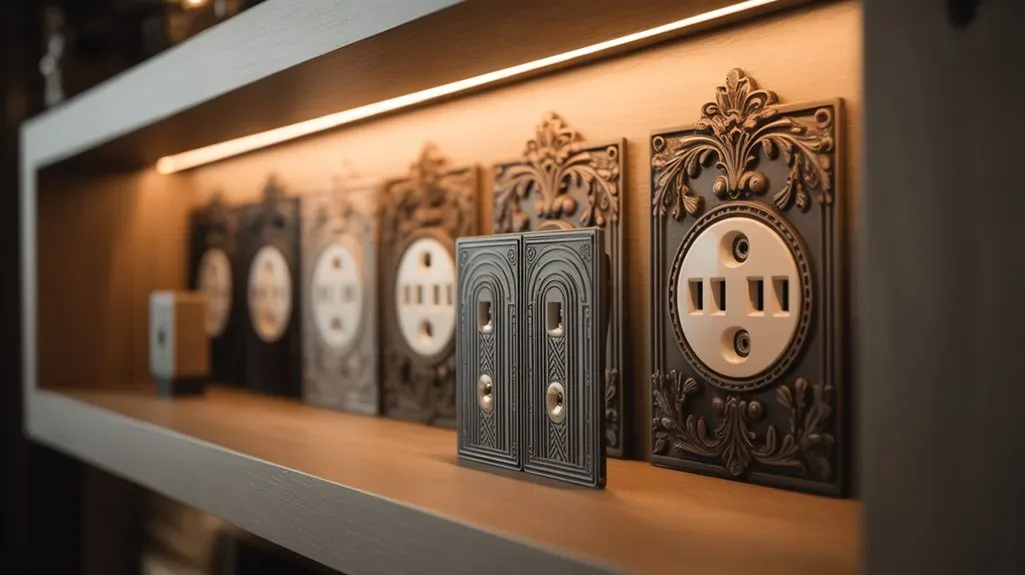

When undertaking restoration projects, you must prioritise accuracy to maintain historical authenticity.
Choosing period-correct sockets is essential to reflect the craftsmanship of the era. These components don’t just enhance aesthetics; they embody the attention to detail that can elevate a property’s value.
Understanding the significance of accurate sockets in preserving history is critical.
What challenges might you face in sourcing authentic hardware, and how can you guarantee safety and functionality in your projects?
Key Takeaways
- Accurate sockets enhance the authenticity and historical value of restoration projects.
- They reflect the original architectural intent, increasing the worth of restorations.
- Using period-correct sockets ensures design accuracy and historical narrative preservation.
- Attention to socket detail maintains cultural essence and architectural integrity.
- Period-accurate sockets increase market value through meticulous historical detail.
The Importance of Authenticity in Heritage Restorations

In undertaking heritage restorations, maintaining authenticity is essential to preserving the true essence of historical structures. You must approach each project with a keen understanding of its heritage significance. Authenticity preservation requires meticulous research and attention to detail, ensuring that every element aligns with the building’s original style and craftsmanship. Choose materials, designs, and methods that reflect the era of the structure, as this reinforces its historical narrative and cultural value.
Your commitment to authenticity extends beyond aesthetic considerations; it encompasses the structure’s historical integrity. By respecting the original construction techniques and materials, you are safeguarding its heritage significance for future generations. This dedication not only honours the past but also enhances the educational and cultural understanding of historical sites.
Benefits of Using Period-Correct Electrical Components
When you’re restoring a historical property, using period-correct electrical components is vital for enhancing its authenticity and preserving its historical value. These components not only reflect the original architectural intent but also increase the restoration’s overall worth. By paying attention to such details, you guarantee that your restoration project maintains both aesthetic and historical integrity.
Enhance Historical Authenticity
Restoring a historical property demands more than just a superficial facelift; it requires a commitment to authenticity that extends to every detail, including electrical components. By selecting period-correct sockets, you honour the historical context and guarantee design accuracy, capturing the essence of the era. It’s not merely about aesthetics; it’s a meticulous process that respects the architectural integrity.
| Historical Era | Socket Style |
|---|---|
| Victorian | Brass push-button |
| Edwardian | Porcelain knob-and-tube |
| Art Deco | Bakelite toggle |
| Mid-Century | Metal rocker |
Each socket style reflects the technological advancements and design trends of its time, adding authenticity to your restoration project. Your attention to such details can transform a mere building into a living piece of history, where every component tells a story.
Improve Restoration Value
Incorporating period-correct electrical components into your restoration project greatly boosts its value, both historically and financially. You’ll find that accurate sockets are more than just aesthetic; they’re a critical part of authentic restoration techniques. By ensuring that every electrical detail aligns with the original era, you enhance the value of the project, appealing to collectors and historians alike. The use of genuine components demonstrates meticulous attention to detail, which potential buyers or evaluators deeply appreciate. Additionally, these elements contribute to the overall historical narrative of the property, making it more compelling and valuable. When you prioritise period accuracy, you’re investing in value enhancement, ensuring that your restoration not only looks right but also stands the test of time.
Enhancing Aesthetic Appeal With Accurate Sockets

To enhance your restoration project’s aesthetic appeal, ensure your sockets match the historical design of the era you’re replicating. By integrating a seamless finish, you maintain the architectural integrity and avoid disrupting the visual flow. Additionally, choosing sockets with consistent colour and material guarantees a cohesive look that honours the original craftsmanship.
Historical Design Matching
When embarking on a restoration project, it’s vital to ensure that every element aligns with the historical design of the period being recreated, including the often-overlooked sockets. Confirming historical accuracy in your restoration enhances the overall design integrity. Accurate sockets are important for maintaining authenticity and delivering a cohesive aesthetic. Here’s why they matter:
- Preserve Authenticity: Selecting sockets that match the original style ensures your project remains true to its historical roots.
- Enhance Design Integrity: Consistent design elements reinforce the visual coherence of your restoration.
- Increase Value: Authentic restorations typically have higher market value due to their attention to detail.
- Respect Architectural Heritage: Accurate sockets pay homage to the craftsmanship of the era, respecting its architectural significance.
Each decision reflects your commitment to preserving history.
Seamless Finish Integration
Having established the importance of matching historical designs, we now focus on achieving a seamless integration of accurate sockets to enhance aesthetic appeal. Your restoration project demands precision, especially when integrating sockets into period-specific environments. Proper finish techniques guarantee that sockets don’t disrupt the visual continuity of a historical setting. By selecting fittings that mirror the original design, you avoid jarring shifts between old and new elements. Pay attention to the craftsmanship involved in finish techniques; these details bridge the gap between functional elements and historical authenticity. Seamless integration means observing the minutiae of texture and form, guaranteeing that your sockets blend naturally into their surroundings, maintaining the integrity of the original design while meeting modern functionality.
Color and Material Consistency
While undertaking restoration projects, ensuring colour and material consistency is essential for enhancing the aesthetic appeal with accurate sockets. You need to meticulously consider colour matching and material selection to preserve historical integrity. Here’s how you can achieve this:
- Historical Research: Investigate the original colour schemes and materials used in the period of the building’s construction. This forms the foundation for your restoration decisions.
- Colour Matching: Use modern technology to match paint and finish colours precisely, ensuring the sockets seamlessly blend with existing elements.
- Material Selection: Choose materials that replicate the original textures and finishes, vital for maintaining authenticity.
- Consultation with Experts: Collaborate with restoration specialists who understand these nuances, ensuring your project retains its historical significance while updating its functionality.
Safety Considerations in Using Vintage Electrical Hardware

Before incorporating vintage electrical hardware into your restoration projects, it’s crucial to grasp the safety implications inherent in using such components. Vintage safety concerns primarily revolve around outdated standards and materials that may not meet modern electrical codes. Examine the hardware compatibility with current systems; mismatched components can lead to potential hazards. Pay close attention to insulation quality, as older materials often degrade over time, increasing the risk of short circuits or fires.
Additionally, consider the historical context—wiring from earlier eras might not support today’s electrical loads, creating further safety challenges. Use accurate sockets that replicate the original design but comply with modern safety standards. Prioritise rewiring with contemporary materials to guarantee the safe integration of vintage elements while preserving your project’s authenticity.
Selecting the Right Materials for Restoration Projects
Selecting the appropriate materials is crucial for the success of any restoration project, particularly when aiming to blend historical accuracy with modern safety standards. It is important to evaluate restoration materials carefully to ensure they match the period’s aesthetics whilst meeting today’s regulations. Here’s how you can approach material selection:
- Research Historical Context: Understand the era’s architectural styles and materials used, ensuring authenticity.
- Quality Assessment: Inspect materials for durability and compatibility with existing structures.
- Sourcing Suppliers: Identify reliable suppliers who specialise in period-appropriate materials to maintain consistency.
- Material Testing: Conduct tests to confirm that the materials meet safety standards and performance requirements.
Understanding the Role of Accurate Sockets in Preserving History

To truly preserve historical integrity in restoration projects, understanding the role of accurate sockets is essential. They are not merely functional but hold historical significance, offering insight into past craftsmanship. By focusing on precision, you employ preservation techniques that guarantee each piece aligns with its original design, maintaining authenticity.
Consider this table:
| Socket Type | Era | Functionality |
|---|---|---|
| Wooden Peg | 18th Century | Structural support |
| Brass Socket | Victorian Era | Decorative and functional |
| Cast Iron | Industrial Revolution | Heavy-duty applications |
Each socket type reflects its era’s technological advancements, embodying the cultural essence of its time. By choosing accurate sockets, you honour the past and contribute to the seamless continuation of history. This attention to detail guarantees that restoration projects remain true to their origins.
Challenges in Sourcing Authentic Restoration Hardware
Preserving the authenticity of historical structures often hinges on sourcing authentic restoration hardware, a task fraught with challenges. You’ll encounter several restoration challenges that demand technical expertise and attention to detail. Here’s a breakdown of the common sourcing issues:
- Scarcity of Original Materials: Authentic materials from the specific period are rare, making them difficult to find.
- Verification of Authenticity: Ensuring that the hardware meets historical standards requires extensive historical knowledge and documentation.
- Cost Implications: Genuine restoration hardware often comes at a premium, impacting project budgets considerably.
- Compatibility Concerns: Ensuring new pieces fit seamlessly with the existing structure can be complex and time-consuming.
Navigating these challenges requires a meticulous approach and a deep understanding of historical restoration processes.
How Accurate Sockets Improve Property Value

When undertaking a restoration project, accurate sockets play a pivotal role in enhancing property value. They guarantee the authenticity of your restoration, essential for a precise value assessment. Attention to historical detail isn’t just about aesthetics; it signifies quality and respect for the property’s origins. Accurate sockets contribute to property appreciation by maintaining architectural integrity, which appeals to discerning buyers and appraisers. They provide a seamless blend of functionality and historical accuracy, enhancing the overall character of the property. By integrating period-correct electrical components, you demonstrate a commitment to preserving the property’s heritage. This meticulous approach not only increases marketability but also sustains long-term value, guaranteeing your restoration project is both an investment in history and financial growth.
Expert Tips for Installing Period Accurate Electrical Components
Although tackling the installation of period-accurate electrical components may seem intimidating, mastering this skill is vital for an authentic restoration. Here are expert tips to guarantee both period accuracy and electrical integrity:
- Research Historical Context: Understand the era’s electrical standards and materials. This knowledge is essential for selecting the right components.
- Source Authentic Materials: Use salvaged or reproduction parts that match the original design. This guarantees the aesthetic and functional fidelity of your project.
- Prioritise Electrical Safety: Make sure all components meet modern safety codes while maintaining historical accuracy. This balance preserves both safety and authenticity.
- Consult with Experts: Engage with historians and electricians specialising in period restorations for guidance and verification.
Frequently Asked Questions
How Do Accurate Sockets Impact Energy Efficiency in Restoration Projects?
When tackling restoration projects, you’ll find that accurate sockets notably boost energy efficiency. They guarantee energy savings by minimising power loss through precise connections. With their installation benefits, accurate sockets fit perfectly, reducing the risk of energy wastage. This attention to detail is essential, especially in preserving historical structures where modern efficiency needs to blend seamlessly with traditional designs. By choosing accurate sockets, you’re assuring both energy efficiency and historical integrity.
What Are the Cost Implications of Choosing Accurate Sockets for Restorations?
When performing a cost analysis for restorations, choosing accurate sockets is essential. You need to factor in their initial expense against long-term savings. Accurate sockets can reduce maintenance costs and enhance energy efficiency, impacting your budget planning positively. Historical accuracy isn’t just about aesthetics; it prevents costly retrofits. Prioritise precision in socket selection to guarantee your restoration project’s budget remains controlled and historically faithful. Balancing upfront costs with future benefits is key.
Are There Modern Alternatives to Vintage-Style Sockets That Maintain Historical Integrity?
You’re wondering if modern alternatives exist that preserve vintage aesthetics while incorporating modern technology. Absolutely, there are options designed to mimic historical styles yet offer the reliability and efficiency of contemporary technology. These sockets carefully replicate the look and feel of vintage originals, ensuring your restoration project maintains its historical integrity. They blend the charm of the past with today’s advancements, striking a perfect balance between authenticity and functionality.
How Do Accurate Sockets Affect the Resale Value of a Restored Property?
When you use accurate sockets in restoration projects, you boost the property’s resale appeal greatly. Buyers appreciate the attention to detail and historical authenticity, aligning with market demand for preserving original features. Accurate sockets demonstrate your technical expertise and dedication to authenticity, enhancing the property’s value. Such meticulous restoration can lead to a competitive edge in the market, attracting discerning buyers who are willing to pay a premium for historical integrity.
What Are the Maintenance Requirements for Period-Accurate Electrical Components?
When addressing period maintenance for historical preservation, you’ll need to inspect electrical components regularly. Confirm connections are tight and free from corrosion. Clean sockets using non-abrasive methods to maintain their original finish. Replace any damaged parts with replicas that match the period’s design and materials. Documenting any maintenance work helps maintain authenticity. Careful attention to detail guarantees your restoration project remains true to its historical roots whilst functioning safely and efficiently.


Related posts
For anyone renovating a period property, the smallest details often carry the greatest weight. Original fixtures (especially electrical hardware) help preserve the character and authenticity... Continue reading
Did you catch our latest article? We've explored how the light switch has evolved over the years, from candlelight to the very first electric light,... Continue reading
When it comes to designing a home, most people think about the big elements first - flooring, paint colours, cabinets, maybe even statement lighting. But... Continue reading
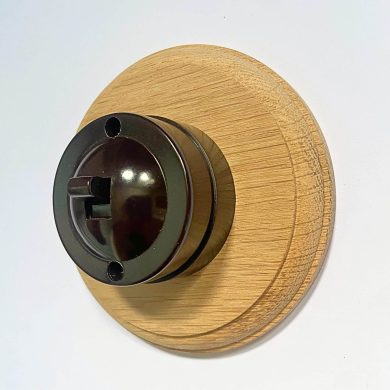
Bakelite switches have long been a favourite in heritage, period and retro-inspired interiors. They bring a timeless elegance, a nod to early 20th-century design and... Continue reading
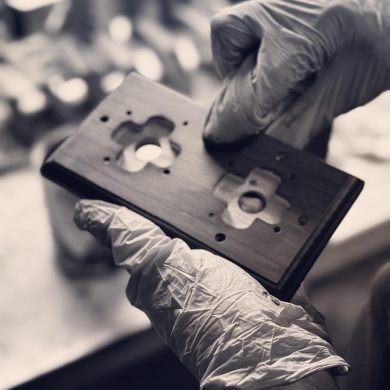
Following launch our new website, we wanted to take a moment to share our story - one that starts with a quirky idea, a family... Continue reading