

No products in the cart.


When you’re embarking on a heritage restoration project, selecting authentic sockets is crucial to preserving a building’s historical integrity.
Consider the materials—brass and porcelain are frequently used for their vintage appeal. Pay attention to finishes that match the period’s aesthetic.
Sourcing from reputable suppliers of antique or reproduction pieces ensures your installation aligns with the original design.
But how do you balance historical accuracy with modern functionality?
Key Takeaways
- Choose vintage materials such as brass and porcelain for historical accuracy in socket restorations.
- Utilise architectural salvage yards to find authentic vintage sockets for heritage projects.
- Consider manufacturers specialising in historically accurate socket replicas for restorations.
- Ensure modifications do not harm the original architecture during socket installations.
- Integrate modern functionality while maintaining the aesthetic integrity of heritage buildings.
Understanding Historical Socket Designs

When delving into the world of historical socket designs, it is crucial to recognise that these elements are more than mere functional components; they are artefacts that reflect the technological and aesthetic sensibilities of their time. As you explore the array of period-specific styles, you’ll notice how each era’s unique characteristics manifest in socket evolution. From the ornate embellishments of the Victorian era to the streamlined forms of the Art Deco period, sockets serve as tangible links to past innovations and tastes. Each design choice reveals much about the era’s priorities, whether emphasising intricate craftsmanship or embracing modern simplicity. By understanding these historical contexts, you gain insight into how sockets have evolved, adapting to both technological advancements and shifting aesthetic preferences.
Materials and Finishes for Authenticity
To achieve true authenticity in heritage restorations, selecting materials and finishes that faithfully replicate historical sockets is essential. You’ll need to focus on vintage materials that mirror the original compositions of the era you’re restoring. Brass, copper, and porcelain are often key components, reflecting the durability and craftsmanship of past times. Pay attention to period finishes, as these are vital for an accurate representation. Lacquered brass or aged patinas offer a sense of timeworn elegance, whilst hand-painted details might be necessary for certain historical contexts. Consider the tactile and visual qualities of these finishes, ensuring they harmonise with the overall aesthetic. Your choices should not only visually match the era but also respect the original artisanship and intent.
Sourcing Vintage and Reproduction Sockets

Finding authentic vintage and reproduction sockets is vital for maintaining the historical integrity of your restoration project. Start your vintage sourcing by exploring reputable antique suppliers and architectural salvage yards, where you might discover original pieces that align with your era-specific needs. It’s essential to verify the provenance and condition of these items to guarantee they meet your restoration standards. For reproduction options, seek manufacturers specialising in historically accurate replicas, offering sockets that replicate original designs but incorporate modern safety standards. Evaluate the craftsmanship and material authenticity offered by these manufacturers to ensure compatibility with your project’s aesthetic and functional requirements. This careful selection process will help preserve the heritage value of your building while adhering to safety regulations.
Installation Considerations for Heritage Buildings
Given the unique challenges posed by heritage buildings, proper installation of sockets requires meticulous planning and attention to detail. You must balance preserving architecture with integrating modernity. Consider the existing materials and structural integrity, ensuring that any modifications don’t damage the historic fabric. Use non-invasive methods where possible, such as surface-mounted conduits, which allow for easy removal or updates.
| Consideration | Strategy | Benefit |
|---|---|---|
| Structural Safety | Non-invasive techniques | Protects original fabric |
| Aesthetic Match | Custom socket design | Enhances period accuracy |
| Modern Needs | Discreet technology | Seamless functionality |
Always seek expert advice from conservation specialists. They can guide you to solutions that maintain the building’s historical significance while providing the necessary modern amenities. Understanding these considerations guarantees the authenticity and functionality of your project.
Balancing Functionality With Aesthetic Integrity

When restoring heritage buildings, achieving a harmonious balance between functionality and aesthetic integrity is essential. You must guarantee that the introduction of modern elements, like sockets, maintains aesthetic harmony without compromising functional integrity. It’s vital to select solutions that respect the original design while meeting contemporary needs. Authentic sockets should blend seamlessly with architectural details, preserving the historic character. Consider the material, finish, and design to complement existing features. Functional integrity guarantees that these installations are safe, reliable, and efficient, meeting current standards without detracting from the building’s historic value. By carefully integrating these elements, you’ll maintain the building’s historical essence, allowing it to serve modern purposes while honouring its past. This careful balance safeguards cultural heritage for future generations.
Frequently Asked Questions
How Do I Determine the Age of an Existing Socket?
To determine the age of an existing socket, you’ll need to employ socket identification techniques. Start by examining historical socket features such as material composition, design patterns, and manufacturing marks. Compare these elements with documented socket styles from different eras. Pay attention to any inscriptions or brand names, as they can provide clues about the production period. Consulting historical catalogues or expert appraisals will further help in accurately dating the socket.
Can I Use Energy-Efficient Bulbs in Vintage Sockets?
Yes, you can use energy-efficient bulbs in vintage sockets, but ensure vintage compatibility. First, verify the socket’s wattage limit to avoid overheating. Modern LED bulbs offer various brightness levels while consuming less power, making them suitable for vintage fixtures. Look for LED bulbs labelled as “antique” or “vintage style,” which blend modern efficiency with traditional aesthetics. Always confirm that the bulb’s base size matches the socket to ensure proper fit and function.
What Safety Certifications Should I Look for in Reproduction Sockets?
When evaluating reproduction sockets, focus on safety standards like UL or CE certifications. These guarantee that the socket materials meet rigorous safety criteria, reducing risks of electrical hazards. Prioritise sockets made from high-quality, durable materials to guarantee longevity and safety. Check for heat resistance and electrical insulation features. Don’t overlook manufacturer specifications and reviews for additional insights on product reliability and compliance with current safety regulations.
Are There Any Grants Available for Heritage Electrical Restorations?
When seeking grants for heritage electrical restorations, you’ll want to start with a detailed grant application. Research widely to identify funding sources that prioritise historical preservation and electrical safety. Look into local, national, and even international organisations that support cultural heritage projects. Make certain your application highlights the historical significance and safety improvements of your project. Funding sources may include government programmes, private foundations, and preservation societies dedicated to conserving heritage sites.
How Do I Maintain Vintage Sockets to Ensure Longevity?
To maintain vintage sockets and ensure longevity, start by regularly performing socket cleaning. Use a soft brush to remove dust and debris, ensuring you don’t damage any delicate components. Inspect vintage wiring for wear or fraying, and replace any compromised sections promptly. Apply a light coat of electrical contact cleaner to improve conductivity. By maintaining these practices, you’ll preserve the integrity and functionality of your vintage sockets effectively.


Related posts
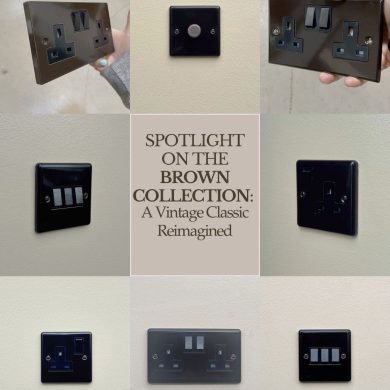
For anyone renovating a period property, the smallest details often carry the greatest weight. Original fixtures (especially electrical hardware) help preserve the character and authenticity... Continue reading
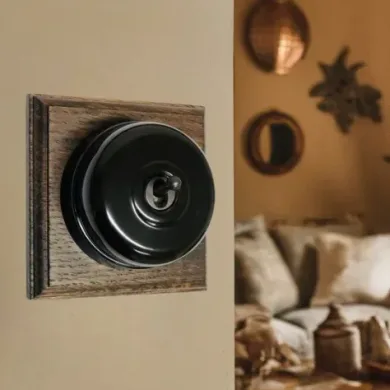
Did you catch our latest article? We've explored how the light switch has evolved over the years, from candlelight to the very first electric light,... Continue reading
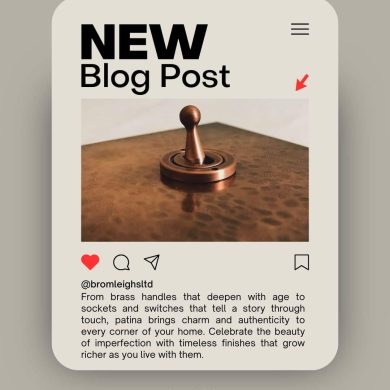
When it comes to designing a home, most people think about the big elements first - flooring, paint colours, cabinets, maybe even statement lighting. But... Continue reading
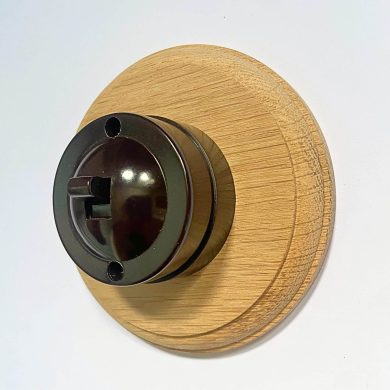
Bakelite switches have long been a favourite in heritage, period and retro-inspired interiors. They bring a timeless elegance, a nod to early 20th-century design and... Continue reading
Following launch our new website, we wanted to take a moment to share our story - one that starts with a quirky idea, a family... Continue reading
