

No products in the cart.


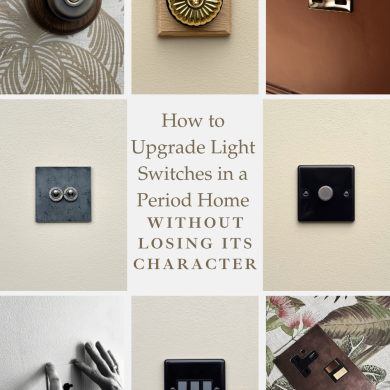
When upgrading electrical switches in heritage homes, it’s vital to balance modern functionality with historical aesthetics.
You’ll need to assess the current electrical system and select switch designs that align with the home’s architectural style.
Ensuring compliance with current safety standards whilst preserving the home’s character can be challenging.
Engaging qualified electricians familiar with heritage properties is essential.
Curious about how to integrate energy-efficient solutions without compromising charm?
Key Takeaways
- Conduct a thorough electrical system analysis to identify outdated components and ensure safety compliance.
- Choose switch designs that match the home’s period aesthetics whilst accommodating modern electrical needs.
- Balance aesthetics and functionality by integrating modern technology without compromising historical integrity.
- Ensure compliance with building codes and hire qualified electricians experienced with heritage properties.
- Conduct energy audits to identify inefficiencies and install energy-efficient solutions that preserve the home’s character.
Assessing the Current Electrical System

Before upgrading electrical switches in heritage homes, it is vital to assess the current electrical system thoroughly. Begin with a thorough current system analysis to identify any outdated wiring, faulty connections, or potential hazards. Examine the existing switchgear and wiring for signs of wear and compliance with modern standards. Conduct an electrical safety assessment to guarantee that all components meet safety regulations and can handle the intended load capacity. Check for earthing issues, circuit integrity, and any signs of electrical deterioration. Use professional tools to measure voltage, resistance, and continuity accurately. By evaluating these factors, you prevent potential malfunctions and ensure the system’s reliability. This preliminary evaluation is significant for maintaining both the home’s structural integrity and the safety of its occupants.
Choosing Compatible Switch Designs
When selecting switch designs for your heritage home, prioritise preserving the architectural integrity by choosing options that match the period aesthetics. Consider switches that blend seamlessly with the original design while providing modern functionality. Ascertain that the chosen designs can accommodate contemporary electrical requirements without compromising the home’s historical value.
Preserving Architectural Integrity
While upgrading electrical switches in heritage homes, maintaining architectural integrity is essential, and choosing compatible switch designs is a significant part of this process. You need to take into account the historical significance of the building and its architectural features when selecting new switches. This guarantees that the upgrades respect the original design while enhancing functionality. Look for switch designs that blend seamlessly with existing architectural elements, like mouldings and door frames. Prioritise materials that reflect traditional styles, such as brass or porcelain, which can provide durability and a classic appearance. Evaluate the switch’s scale and proportions to ensure they don’t disrupt the visual harmony of the space. By carefully selecting compatible designs, you can preserve the home’s unique character while modernising its electrical systems.
Matching Period Aesthetics
Selecting electrical switches that match period aesthetics requires careful consideration of design elements that complement the existing historical architecture. You should focus on identifying switches that incorporate period colours and vintage styles, ensuring they blend seamlessly with the heritage home’s character. Analyse the architectural style of your home to determine whether Art Deco, Victorian, or another era’s design influences the décor. For instance, use switches with decorative metal finishes or porcelain for Victorian homes, while Bakelite might suit Art Deco interiors. Look for manufacturers specialising in reproductions that adhere to authentic design specifications. Consider the texture and finish of the switches, as these can greatly impact the visual harmony. By doing so, you’ll maintain the home’s aesthetic integrity while upgrading its functionality.
Modern Functionality Integration
Integrating modern functionality into heritage homes involves selecting electrical switches that not only complement the aesthetic but also offer contemporary features. You’ll want to focus on choosing smart switches that seamlessly blend with the vintage styles of your home. These switches can provide modern conveniences like remote control, dimming capabilities, and energy monitoring whilst maintaining the classic look you desire.
Look for smart switches with customisable faceplates and finishes that mimic aged brass or antique bronze to harmonise with your existing décor. Opt for models that support voice control or app integration for a high-tech yet unobtrusive experience. Remember, the goal is to enhance functionality without compromising the historical integrity of your home. By carefully selecting compatible switch designs, you’ll successfully merge past charm with present-day technology.
Balancing Aesthetics and Functionality
When upgrading electrical switches in heritage homes, you must carefully consider how to preserve historical design elements while integrating modern technology. It’s essential to select materials that complement the original architecture, ensuring new installations don’t clash with the home’s aesthetic. By prioritising both functionality and design compatibility, you can achieve a seamless upgrade that respects the home’s historical integrity.
Preserving Historical Design Elements
Balancing the need for modern functionality with the preservation of historical aesthetics in heritage homes requires a nuanced approach. You can achieve this by carefully integrating new electrical switches while respecting the home’s original design. Here’s how:
- Select Vintage Switch Styles: Choose switches that mimic the original designs. This approach guarantees new installations don’t disrupt the home’s period-specific look.
- Use Historical Colour Palettes: Align switch colours with existing walls and trim. This maintains visual harmony and respects the home’s original colour scheme.
- Consult Restoration Experts: Work with professionals specialising in heritage homes to guarantee that updates respect historical integrity.
- Prioritise Material Quality: Opt for high-quality materials that match or complement original fixtures, ensuring durability and aesthetic consistency.
Modern Technology Integration
Although preserving the historical charm of heritage homes is essential, one cannot overlook the importance of integrating modern technology for convenience and efficiency. Smart home systems offer innovative solutions, allowing you to control lighting and appliances with ease. By installing wireless switches, you streamline functionality without compromising the home’s aesthetic integrity. These switches eliminate the need for extensive wiring, preserving the original architecture. Opt for models that blend seamlessly with existing design elements, maintaining the home’s period-appropriate look. Wireless technology also facilitates remote control capabilities, enhancing user experience while keeping the property’s historical essence intact. Balancing these aspects guarantees that your heritage home remains both functional and true to its roots, making it a smart investment for modern living.
Choosing Compatible Materials
Smart home systems offer a seamless blend of technology and tradition, and selecting the right materials for your electrical switches plays a pivotal role in achieving this balance. To maintain the aesthetic integrity of heritage homes while ensuring modern functionality, consider these factors:
- Historic Materials: Opt for switches made from materials like brass or porcelain to reflect your home’s original charm.
- Sustainable Choices: Choose eco-friendly options that align with environmental standards, such as bamboo or recycled metals.
- Finish Compatibility: Match switch finishes with existing hardware to maintain a cohesive look throughout your home.
- Durability: Prioritise materials known for longevity and low maintenance, ensuring both aesthetic appeal and practical use.
Navigating Building Codes and Regulations
Understanding building codes and regulations is essential when upgrading electrical switches in heritage homes, as these rules guarantee safety and preserve the historical integrity of the property. Guiding code compliance can be challenging due to varying jurisdiction differences and stringent safety standards. You must address regulatory challenges by identifying applicable historical exemptions that might influence your project. Confirm you meet inspector requirements by familiarising yourself with permit processes and documentation needs specific to heritage considerations. Renovation approvals often hinge on how well you understand and adhere to these standards. Keep in mind that different regions may impose unique requirements, so thorough research is crucial. Properly managing these elements confirms your upgrade respects both modern safety protocols and the home’s historical character.
Hiring Qualified Electricians for Heritage Projects

Successfully manoeuvring through building codes and regulations sets the foundation for hiring skilled electricians who specialise in heritage projects. When you’re upgrading electrical switches in heritage homes, guaranteeing your chosen professional possesses both electrical expertise and heritage sensitivity is essential. Here’s how to select the right electrician:
- Verify Credentials: Confirm that the electrician holds a valid licence and insurance, guaranteeing compliance with local laws.
- Assess Heritage Experience: Choose someone familiar with heritage properties, understanding the unique challenges and preservation needs.
- Request References: Obtain feedback from previous clients about their experience with heritage projects.
- Discuss Project Scope: Clearly outline your project’s specific needs, guaranteeing the electrician can integrate modern solutions without compromising historical integrity.
Following these steps guarantees a smooth and respectful upgrade process.
Implementing Energy-Efficient Solutions
When incorporating energy-efficient solutions into heritage homes, it’s essential to balance modern technology with historical preservation. Begin by conducting thorough energy audits to identify areas requiring efficiency improvements. These audits evaluate current electrical systems and pinpoint high-energy-consuming devices. Once you’ve identified inefficiencies, consider installing smart switches, which allow you to control lighting and appliances remotely. Smart switches integrate seamlessly with existing wiring, minimising disruption to the home’s original structure. They provide energy savings by enabling scheduled on/off cycles, reducing unnecessary power consumption. Additionally, select switches with aesthetic designs that complement the heritage home’s character. By focusing on these energy-efficient solutions, you can enhance your home’s sustainability while maintaining its historical integrity and charm.
Frequently Asked Questions
What Are the Costs Associated With Upgrading Electrical Switches in Heritage Homes?
You’re looking at a cost breakdown when upgrading electrical switches. Installation fees are a significant part. First, assess labour costs; electricians typically charge hourly. Then, consider the price of new switches, which varies by type and quality. Do not forget potential rewiring fees if existing wiring does not meet modern standards. Permits may be required, adding to the total. Overall, expect a blend of material, labour, and compliance costs.
Are There Specific Challenges Faced During the Installation Process in Older Homes?
When you’re installing new electrical switches in older homes, you’ll encounter specific challenges such as wiring complications and ensuring code compliance. Older wiring systems often do not align with modern standards, requiring careful adaptation to avoid hazards. You will need to inspect the existing setup thoroughly, ensuring all components meet current regulations. It’s essential to plan meticulously, anticipate potential issues, and possibly consult professionals to address these challenges effectively and safely.
How Can I Ensure the Safety of My Heritage Home’s Electrical System During Upgrades?
To ensure the safety of your home’s electrical system during upgrades, start by scheduling safety inspections with a certified electrician. They’ll conduct circuit evaluations to identify any potential hazards. Make certain all wiring is up to current codes and replace any outdated components. Use high-quality materials and follow all installation guidelines precisely. Regularly test your upgraded system to confirm it functions correctly, offering peace of mind and maintaining safety standards.
What Are the Potential Risks of Not Updating Old Electrical Switches in Heritage Properties?
Not updating old electrical switches poses significant risks in heritage properties. You are dealing with outdated wiring that can lead to fire hazards. Over time, insulation deteriorates, increasing the chance of electrical shorts and fires. Older switches may not handle modern electrical loads effectively, causing overheating. It is essential to address these issues to guarantee safety, prevent property damage, and protect occupants from potential hazards linked to antiquated electrical systems.
How Do I Choose Suitable Materials for Electrical Switches in Heritage Homes?
When choosing materials for electrical switches, focus on period-appropriate design and historical accuracy. First, identify the home’s original architectural era. Research materials like brass or porcelain commonly used during that time. Verify modern safety standards integrate seamlessly with the historical design. Consult with specialists in restoration to maintain authenticity. By prioritising both aesthetics and function, you’ll preserve the home’s heritage while confirming it meets current electrical safety standards.


Related posts
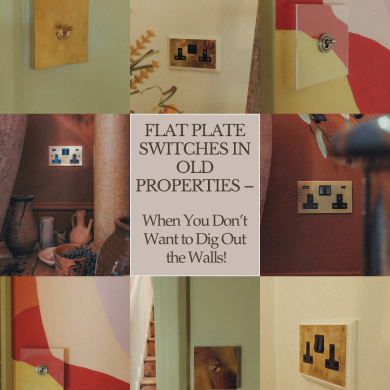
Renovating or upgrading electrics in old properties often comes with a familiar challenge: shallow back boxes hidden behind thick plaster, solid masonry or uneven walls.... Continue reading
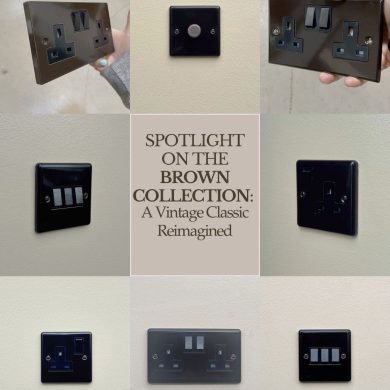
For anyone renovating a period property, the smallest details often carry the greatest weight. Original fixtures (especially electrical hardware) help preserve the character and authenticity... Continue reading
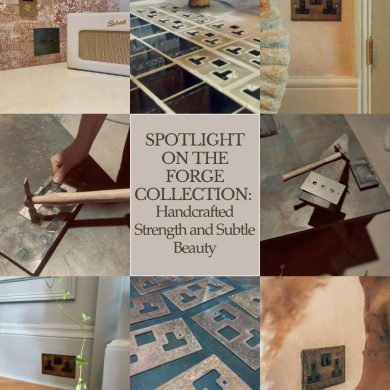
At Bromleighs, every collection tells a story of British craftsmanship and the Forge Collection is one of our most characterful. Inspired by traditional metalworking and... Continue reading
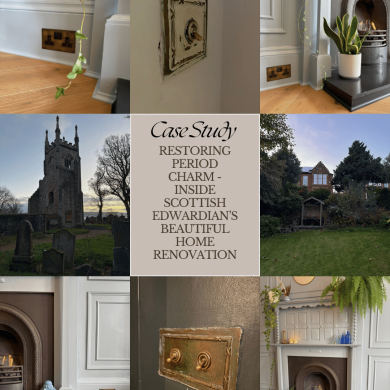
Renovating a period home is about more than modern upgrades - it’s about honouring history while creating a space that feels timeless and personal. In... Continue reading
Owning a period property is like holding a piece of living history. Whether it’s a Georgian terrace, a Victorian villa or an Arts & Crafts... Continue reading