

No products in the cart.
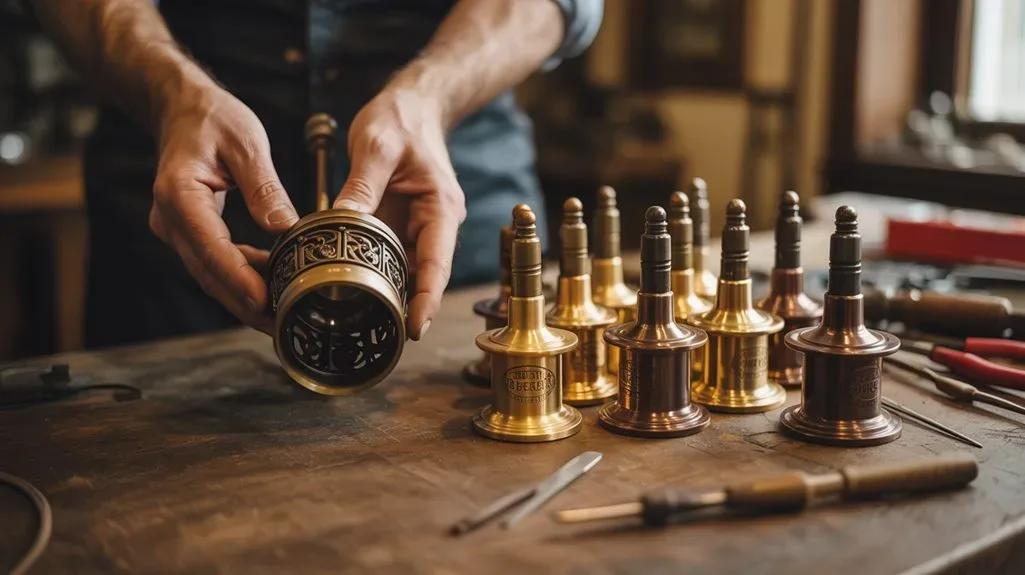

When you explore period accurate restoration sockets, you’re diving into a world where history and modern functionality intersect.
These electrical fixtures replicate the aesthetics and operation of sockets from historical eras, primarily the late 19th and early 20th centuries.
Utilising authentic materials and craftsmanship, they preserve architectural integrity and enhance authenticity.
Curious about how these vintage designs align with modern safety standards while retaining their historical charm? There’s more to uncover.
Key Takeaways
- Period accurate restoration sockets preserve historical integrity in architectural restoration projects by matching original designs.
- These sockets reflect technological innovations and vintage aesthetics from the late 19th and early 20th centuries.
- Common types include Edison base, bayonet cap, Bakelite, and porcelain sockets.
- Authentic restoration sockets feature unique aesthetics, ornate detailing, and finishes reflective of specific time periods.
- Sourcing authentic pieces is challenging due to scarcity and modern safety compliance requirements.
Understanding the Need for Period Accurate Restoration Sockets

When initiating a restoration project, especially one that aims to preserve the historical integrity of a structure, understanding the need for period accurate restoration sockets is vital. These sockets aren’t just functional components; they’re fundamental to maintaining the restoration philosophy that values authenticity and aesthetic integrity. By selecting sockets that match the original design, you guarantee the building’s historical narrative isn’t disrupted by modern intrusions. Research and attention to detail play significant roles here. You must explore archives, study photographs, and consult experts to find sockets that replicate the originals. This level of dedication not only upholds the building’s original charm but also respects the craftsmanship of the past, guaranteeing that your restoration project remains true to its historical context.
Historical Significance of Vintage Electrical Switches and Sockets
To truly appreciate period accurate restoration sockets, one must consider the historical significance of vintage electrical switches and sockets. These components not only illuminate spaces but also encapsulate a transformative era in electrical history. In the late 19th and early 20th centuries, the advent of electricity revolutionised daily life, and the design of switches and sockets reflected the era’s technological innovations and vintage aesthetics. They were crafted to fit seamlessly into the ornate interiors of the time, marrying functionality with design. By understanding these historical nuances, you gain insight into how electricity was integrated into homes, complementing architectural styles. This knowledge emphasises the importance of selecting restoration sockets that honour the original aesthetics and technological advancements of their respective periods.
Common Types of Period Accurate Restoration Sockets

While delving into the domain of period accurate restoration sockets, you’ll encounter a fascinating array of types that mirror the distinctive styles and technological advancements of bygone eras. Common socket types include the Edison base, a classic design originating in the late 19th century, which continues to influence modern sockets. You might also find the bayonet cap, popular in European homes during the early 20th century, known for its secure, twist-lock mechanism. Vintage socket designs such as the Bakelite sockets of the 1920s and 1930s demonstrate the era’s innovation, using a durable, heat-resistant material. Additionally, porcelain sockets were favoured for their insulating properties and elegant appearance. Each socket type reflects the aesthetic and functional considerations of its time, offering a glimpse into history.
Key Features of Authentic Restoration Sockets
Exploring the diverse types of period accurate restoration sockets reveals the intricate craftsmanship and design philosophies of their respective eras. You’ll notice that authentic restoration sockets often exhibit unique socket aesthetics, reflective of the specific time period they aim to replicate. These features include ornate detailing, variances in shape, and the use of particular finishes that were popular in their original eras. Restoration techniques play a vital role in maintaining historical accuracy, demanding a careful study of old manufacturing methods. Each socket’s build and style were influenced by technological advancements and cultural trends of its time. By focusing on these key features, you’ll guarantee that your restorations not only capture the essence of the past but also preserve the integrity of historical design.
Materials and Craftsmanship in Restoration Sockets

When you focus on period accurate restoration sockets, selecting authentic materials is essential, as it guarantees that the socket matches the historical context of the period you’re aiming to replicate. Employing traditional manufacturing techniques allows you to maintain the craftsmanship standards of the time, preserving both aesthetic and functional integrity. By prioritising historical design accuracy, you guarantee that each detail aligns with the era’s original specifications, creating a seamless integration into your restoration project.
Authentic Material Selection
For a truly period-accurate restoration of sockets, selecting authentic materials is essential, as it guarantees historical integrity and craftsmanship excellence. Material sourcing requires meticulous research into the specific era you’re replicating. You need to identify the original materials used, such as brass, copper, or early plastics like Bakelite, to ascertain design authenticity. Historical catalogues, museum archives, and vintage hardware shops are invaluable resources for finding these materials. By doing so, you maintain the socket’s original aesthetic and functional characteristics. Pay attention to details like colour, texture, and weight, which can greatly impact authenticity. Remember, the right materials not only honour historical craftsmanship but also guarantee the restored socket seamlessly integrates into its period setting.
Traditional Manufacturing Techniques
After selecting authentic materials, mastering traditional manufacturing techniques becomes essential in achieving a period-accurate restoration of sockets. You should embrace traditional craftsmanship, which involves replicating vintage techniques used in the socket’s original era. This approach guarantees the restored socket not only looks authentic but functions as originally intended. A meticulous focus on details, like hand-forging and bespoke metalworking, is vital.
For clarity, consider this comparison:
| Aspect | Traditional Craftsmanship |
|---|---|
| Material Handling | Hand-forging |
| Assembly Method | Manual fitting |
| Surface Finishing | Hand-polished |
Historical Design Accuracy
Achieving historical design accuracy in restoration sockets requires a keen understanding of both the materials and craftsmanship that defined the era of the original piece. You’ll need to explore period-specific details, ensuring every element reflects the historical accuracy and design integrity of the artefact. Pay close attention to:
- Materials: Use authentic materials like brass, porcelain, and early plastics to match the era’s preferences.
- Techniques: Employ traditional crafting methods to mirror original socket designs and maintain historical fidelity.
- Design: Study ornamental patterns, proportions, and finishes to ensure the socket seamlessly integrates with period decor.
Challenges in Sourcing Period Accurate Restoration Sockets

When restoring historical properties, the quest for period accurate restoration sockets often presents a unique set of challenges that demand both patience and expertise. Sourcing difficulties arise due to the scarcity of original fixtures, as many have been lost or damaged over time. You’ll find that restoration challenges include differentiating between authentic pieces and reproductions, a task that requires a keen eye and thorough research. Manoeuvring through antique markets or specialised auctions can be intimidating, as items might not be appropriately documented. Additionally, the need for compliance with modern safety standards can complicate your search. Patience is essential, as you might need to wait for the right piece to become available, ensuring the integrity of your historical restoration project.
Importance of Matching Sockets to Architectural Periods
Understanding the importance of matching sockets to architectural periods is essential for any historical restoration project. When you align socket aesthetics with the building’s original timeframe, you preserve its architectural integrity. This attention to detail ensures your work respects the craftsmanship of the era and provides a more authentic experience.
- Authenticity: Using period-appropriate sockets enhances the genuine feel of the space, making it seem as if you’ve stepped back in time.
- Historical Accuracy: It helps maintain the historical narrative of the architecture, reflecting the design choices made during that period.
- Visual Cohesion: Consistent design elements create harmony, preventing modern intrusions from disrupting the historical atmosphere.
Modern Safety Standards for Vintage Socket Restorations

Ensuring that vintage socket restorations meet modern safety standards is vital for both preserving historical integrity and safeguarding occupant safety. You must navigate the balance between vintage compatibility and compliance with modern regulations. Start by understanding the electrical codes applicable to your region. These codes dictate requirements for insulation, earthing, and material safety, which are essential when working with older sockets. Vintage sockets often require rewiring to accommodate today’s electrical loads without compromising their original design. Use high-quality replica components that mimic historical aesthetics but meet current safety benchmarks. Consult with a licensed electrician familiar with both period-specific designs and modern standards to verify your restoration project is safe, functional, and historically respectful. This approach guarantees a seamless blend of past elegance and present-day security.
Customization Options for Period Accurate Sockets
When it comes to customisation options for period accurate sockets, you’ll discover a fascinating intersection of history, craftsmanship, and modern innovation. You have the opportunity to honour the past while ensuring your restoration meets contemporary aesthetic desires. Custom designs pay homage to specific eras, allowing you to replicate intricate patterns and styles. Personalised finishes offer a way to tailor sockets to your unique taste, ensuring they blend seamlessly with your environment.
- Material Selection: Choose from brass, bronze, or nickel to match historical context.
- Authentic Replicas: Opt for socket designs reflecting Georgian, Victorian, or Art Deco periods.
- Finish Choices: Select from polished, aged, or patinated finishes for an authentic look.
Tips for Installing Period Accurate Restoration Sockets

When installing period accurate restoration sockets, start by selecting authentic socket styles that align with the era of your restoration project, paying close attention to materials and design elements used historically. Ascertain you employ correct installation techniques by consulting historical records or guides to replicate the original methods, which helps maintain the integrity of the restoration. By prioritising both authenticity in style and accuracy in installation, you’ll achieve a seamless integration of new sockets into historical settings.
Choosing Authentic Socket Styles
To choose authentic socket styles for your period restoration project, it is crucial to explore the historical context of your home’s era. Explore old catalogues, architectural guides, and online archives to uncover the socket aesthetics that defined that time. Authenticity is key, so focus on designs that complement your home’s original style while maintaining functional authenticity.
Consider these elements:
- Material Authenticity: Investigate whether sockets were originally brass, porcelain, or another material.
- Design Details: Look for intricate patterns or simple lines that match the era’s aesthetic.
- Colour Palette: Verify the socket’s colour aligns with the historical tones of the period.
Correct Socket Installation Techniques
Installing period-accurate restoration sockets necessitates meticulous attention to detail to ensure both functionality and historical integrity. Begin by verifying that the socket alignment matches the original design. Uneven sockets can distort aesthetics and compromise safety. Employ historically-informed wiring techniques, referencing period manuals for guidance. This ensures you replicate authentic connections and maintain electrical safety standards.
Here’s a quick reference table to assist your installation:
| Task | Tip |
|---|---|
| Socket Alignment | Align sockets using a level for precision. |
| Wiring Techniques | Use cloth-covered wires for authenticity. |
| Historical Research | Reference period documents for accuracy. |
| Safety Checks | Verify connections adhere to modern codes. |
| Final Inspection | Verify alignment and secure all connections. |
Frequently Asked Questions
How Do I Identify the Era of a Vintage Socket?
To identify the era of a vintage socket, examine its characteristics closely. Look for materials like ceramic or Bakelite, which hint at early 20th-century origins. Check the shape and design; ornate styles often indicate older eras. Research restoration techniques specific to those periods to understand how sockets evolved. Pay attention to manufacturing marks or patents—these details can provide clues about the socket’s historical context and help pinpoint its era.
Can Restoration Sockets Improve My Home’s Resale Value?
You are considering whether restoration sockets can boost your home’s resale value. They can indeed, especially if your home has historical significance. Home improvements that maintain period authenticity often appeal to buyers interested in architectural history. Research shows that period-accurate restorations can enhance the aesthetic and perceived value of a property. Confirm the sockets match the era of your home for maximum impact, creating a coherent historical narrative that attracts potential buyers.
Are There Specific Brands Known for High-Quality Restoration Sockets?
When you’re searching for high-quality restoration sockets, you’ll find that renowned brands like Leviton and Hubbell often use quality materials that are historically accurate. These companies have reputations for crafting sockets that align with specific historical periods, ensuring authenticity in restoration projects. By choosing these brands, you’re investing in products that not only enhance your home’s aesthetic but also uphold traditional craftsmanship. Research their offerings to find the perfect match for your restoration needs.
How Do I Maintain Restored Vintage Sockets?
To maintain restored vintage sockets, regularly check for frayed wires and corrosion to guarantee vintage wiring safety. Use socket maintenance tips such as cleaning contacts with a soft brush and applying a small amount of dielectric grease. Tighten any loose connections and avoid overloading sockets with modern appliances. Research materials used in the original sockets to understand their limitations, ensuring that your restoration remains both accurate and functional.
Do Restored Sockets Require Special Cleaning Products?
Restored sockets don’t necessarily need specialised cleaners, but using the right ones can help preserve their integrity. You’ll want to choose cleaning products that are gentle and non-abrasive to avoid damaging the finish. Historical research shows that mild soap solutions or vinegar diluted in water work well. For stubborn grime, specific cleaning techniques like using a soft-bristled brush can effectively clean without harming the vintage materials. Always test on a small area first.

Related posts
For anyone renovating a period property, the smallest details often carry the greatest weight. Original fixtures (especially electrical hardware) help preserve the character and authenticity... Continue reading
Did you catch our latest article? We've explored how the light switch has evolved over the years, from candlelight to the very first electric light,... Continue reading
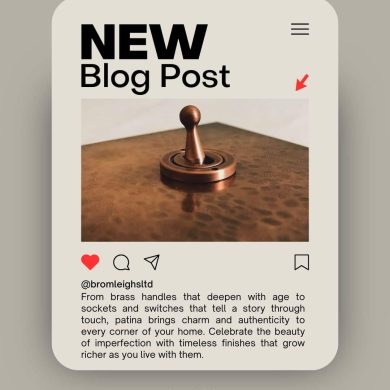
When it comes to designing a home, most people think about the big elements first - flooring, paint colours, cabinets, maybe even statement lighting. But... Continue reading
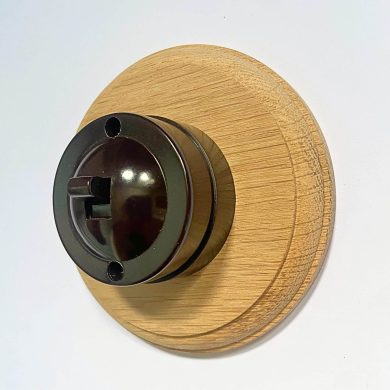
Bakelite switches have long been a favourite in heritage, period and retro-inspired interiors. They bring a timeless elegance, a nod to early 20th-century design and... Continue reading
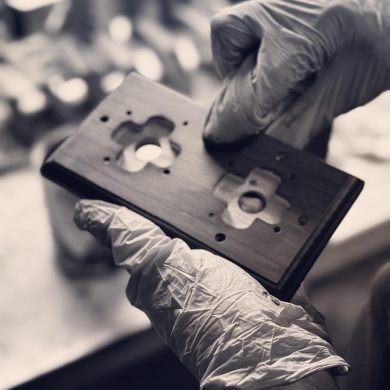
Following launch our new website, we wanted to take a moment to share our story - one that starts with a quirky idea, a family... Continue reading