

No products in the cart.
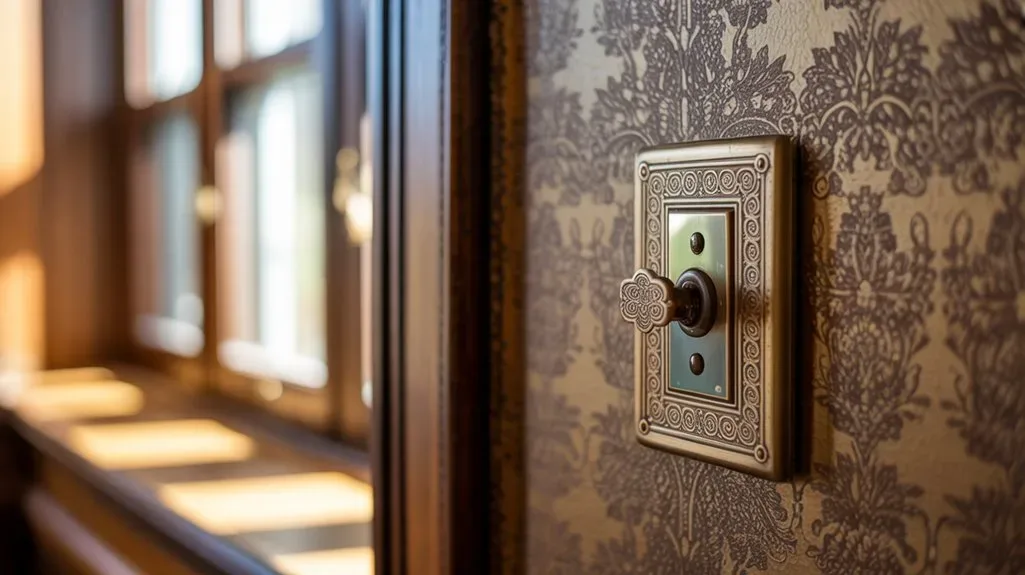

You’ve got a heritage home and wish to preserve its historic charm, but where do you start with something as specific as antique switch plates?
These small details can make a significant difference, adding authenticity and character. By learning about the unique styles and materials of different eras, you’ll not only enhance your interiors but also protect your home’s history.
Curious about where to find these treasures and how to care for them?
Key Takeaways
- Identify distinct styles such as Victorian, Art Deco, and Craftsman to match the home’s historical period.
- Choose materials like brass or porcelain to enhance authenticity and aesthetic appeal.
- Purchase from reputable sources such as antique shops, online marketplaces, or estate sales.
- Verify authenticity through manufacturer marks and recognise common materials of each era.
- Ensure proper installation and maintenance to preserve the switch plates’ condition and longevity.
Understanding the Historical Significance of Antique Switch Plates

When you investigate the world of antique switch plates, you uncover more than just decorative elements; you explore a rich tapestry of history that reflects the evolution of interior design and electrical innovations. These switch plates are not mere functional items; they embody the historical context of their time. As electricity became a fixture in homes, switch plates evolved, showcasing the art and craftsmanship of different eras. You’ll find that each plate tells a story, echoing the cultural significance of its period, from the ornate designs of the Victorian era to the streamlined aesthetics of Art Deco. By understanding their origins, you gain insight into how societal changes influenced design trends, making these artefacts cherished components of heritage homes.
Identifying Authentic Antique Switch Plates and Their Styles
To identify authentic antique switch plates, you must become familiar with the distinct styles and materials that characterise different historical periods. Each era boasts unique design variations, offering clues to a plate’s authenticity. Examine the craftsmanship and subtle details to distinguish genuine pieces.
- Victorian Era: Look for ornate designs with intricate patterns.
- Art Deco: Identify geometric shapes and bold colours.
- Craftsman Style: Seek simple lines and handcrafted quality.
- Mid-Century Modern: Note minimalist aesthetics and clean lines.
- Colonial Revival: Recognise traditional motifs and symmetry.
Understanding these styles helps you differentiate authentic switch plates from reproductions. Additionally, learning restoration techniques can preserve their value and charm. By honing your skills in recognising these elements, you’ll become adept at curating an authentic collection that enhances your heritage home.
Materials and Finishes Commonly Found in Vintage Switch Plates

Vintage switch plates boast a rich variety of materials and finishes, each telling a story of its time. You’ll find that brass finishes often grace these plates, offering a warm, timeless elegance. They were prevalent in early 20th-century homes, providing durability and a classic look. Porcelain designs, on the other hand, bring a delicate charm. Popular in the Victorian era, these plates showcase intricate patterns and glossy surfaces, perfect for adding an authentic touch to your heritage home.
| Material | Characteristics |
|---|---|
| Brass | Warm, durable, classic |
| Porcelain | Delicate, intricate patterns, glossy surfaces |
| Bakelite | Early plastic, smooth, often in brown or black |
Selecting the right material can greatly impact the authenticity and aesthetic appeal of your vintage switch plates.
Tips for Sourcing and Purchasing Antique Switch Plates
Although sourcing antique switch plates can sometimes feel like a treasure hunt, knowing where to look and what to consider makes the process both rewarding and enjoyable. Consider these sourcing strategies and purchasing tips to find the perfect plates for your heritage home:
- Visit local antique shops: Engage with knowledgeable owners who can offer unique finds.
- Explore online marketplaces: Websites like eBay or Etsy often feature rare pieces.
- Attend estate sales and auctions: They can be goldmines for genuine antiques.
- Join collector forums: Network with fellow enthusiasts for leads and advice.
- Verify authenticity: Check for manufacturer marks or historical documentation.
Installation and Maintenance of Antique Switch Plates in Heritage Homes

When it comes to installing and maintaining antique switch plates in heritage homes, understanding the nuances of both tasks assures their longevity and functionality. Begin with proper installation techniques: confirm the switch plate size matches existing electrical fixtures and use compatible screws to avoid damage. Handle the plates gently, as older materials can be fragile. Maintenance tips include regular cleaning with a soft, damp cloth to remove dust and grime. Avoid harsh chemicals that might tarnish or erode the surface. Check for signs of wear, such as cracks or loose fittings, and address them promptly. Protecting these vintage pieces from excessive moisture and direct sunlight will also preserve their beauty. With careful attention, your antique switch plates can remain a charming feature in your home.
Frequently Asked Questions
How Can Antique Switch Plates Affect the Resale Value of a Heritage Home?
When you’re considering how antique switch plates affect your home’s resale value, think about their resale impact and heritage appeal. These unique features can enhance the charm and authenticity of a heritage home, making it more attractive to potential buyers. They reflect attention to detail and preserve the home’s original character. Buyers often seek homes with historical integrity, so these plates can elevate perceived value and set your property apart in the market.
What Are the Most Popular Motifs Found on Antique Switch Plates?
You are exploring the popular motifs on antique switch plates and you will often find Victorian patterns and Art Deco designs leading the list. Victorian patterns charm with intricate floral and scrollwork details, adding a touch of elegance. Art Deco switch plates boast geometric shapes and bold lines, echoing the 1920s and 1930s aesthetic. These styles not only enhance the visual appeal but also reflect the distinct historical periods they represent, making them highly sought after.
How Do I Determine the Age of an Antique Switch Plate?
To determine the age of an antique switch plate, start by examining age indicators such as patina and wear patterns. Use material analysis to identify the metal or ceramic type, as older plates often feature brass or porcelain. Check for manufacturer marks or patent dates, which can hint at its era. Research similar designs from known periods to narrow down the timeframe. Trust your observations; each clue brings you closer to revealing its history.
Are There Any Famous Manufacturers of Antique Switch Plates?
You are wondering about famous manufacturers of antique switch plates, aren’t you? Companies like Bryant Electric, Hart & Hegeman, and Perkins Electric are renowned for their antique styles. They crafted plates that are still admired today. Many manufacturers now create modern adaptations of these classic designs, blending vintage charm with contemporary functionality. By exploring these manufacturers, you will enrich your understanding of both historical and current trends in switch plate design.
How Can I Incorporate Antique Switch Plates Into Modern Home Decor?
You can seamlessly integrate antique switch plates into your modern home by focusing on creating a fascinating modern contrast. Choose switch plates with intricate antique styles, such as filigree or ornate designs, to juxtapose against sleek, minimalist walls. Position them in rooms where they can serve as conversation starters. Ensure they complement other vintage elements in your décor, like furniture or lighting, to maintain harmony between the antique and contemporary aesthetics.


Related posts
For anyone renovating a period property, the smallest details often carry the greatest weight. Original fixtures (especially electrical hardware) help preserve the character and authenticity... Continue reading
Did you catch our latest article? We've explored how the light switch has evolved over the years, from candlelight to the very first electric light,... Continue reading
When it comes to designing a home, most people think about the big elements first - flooring, paint colours, cabinets, maybe even statement lighting. But... Continue reading
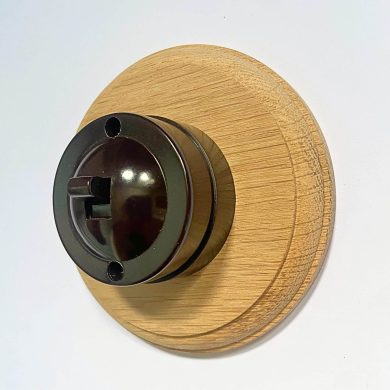
Bakelite switches have long been a favourite in heritage, period and retro-inspired interiors. They bring a timeless elegance, a nod to early 20th-century design and... Continue reading
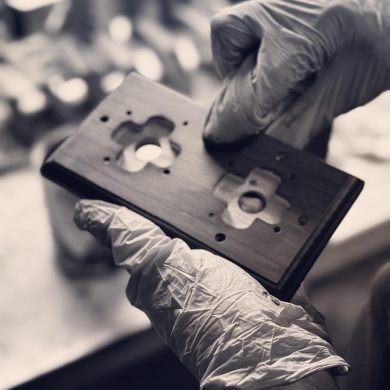
Following launch our new website, we wanted to take a moment to share our story - one that starts with a quirky idea, a family... Continue reading