

No products in the cart.
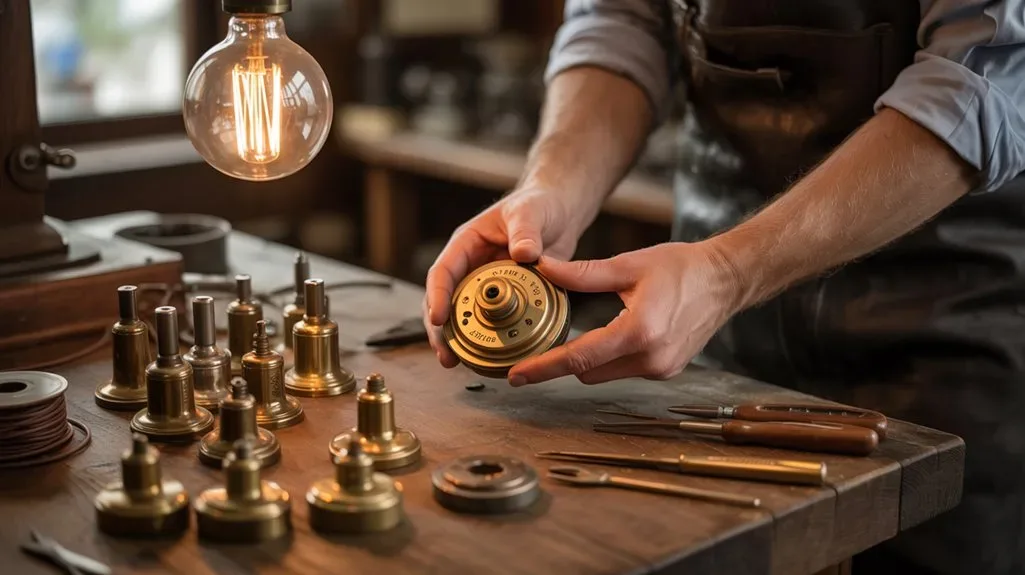

When you decide to upgrade with vintage electrical hardware, you’re merging the past’s charm with today’s safety.
Start by ensuring these pieces work with your current wiring and comply with local codes. Inspect each component meticulously for wear and replace outdated parts.
By choosing fixtures that preserve their classic look while meeting modern safety standards, you enhance ambience without sacrificing integrity.
Curious about integrating these timeless treasures safely into your space?
Key Takeaways
- Verify compatibility of vintage hardware with modern wiring systems to ensure safe integration.
- Perform thorough inspections of electrical components for wear, damage, and secure connections.
- Replace outdated wiring with materials that meet current safety regulations whilst maintaining aesthetic appeal.
- Consult local electrical codes and standards to align vintage installations with modern safety requirements.
- Choose fixtures that preserve the original design but incorporate necessary safety upgrades and energy efficiency.
Understanding the Appeal of Vintage Electrical Hardware

Vintage electrical hardware captivates enthusiasts and professionals alike due to its unique combination of historical significance, craftsmanship, and aesthetic appeal. When you examine these components, you’ll notice their vintage charm, which is evident in their design and materials. This hardware often features robust construction with materials like brass, porcelain, and Bakelite, reflecting an era where durability was paramount.
Understanding the historical significance of these items requires analytical thinking. Each piece tells a story of technological progress and design evolution. You’ll appreciate how these artefacts represent milestones in electrical engineering. By studying them, you gain insight into past innovations that shaped modern systems. Their intricate details and quality craftsmanship make them not just functional components, but also treasured artefacts within any restoration project or collection.
Key Considerations for Safe Vintage Hardware Installation
When upgrading with vintage electrical hardware, ensuring safe installation is paramount to prevent potential hazards. Begin by familiarising yourself with modern safety regulations, as vintage components may not align with today’s standards. Employ precise installation techniques, focusing on compatibility with existing wiring systems. Ensure all connections are secure and inspect for wear or damage.
Here’s a breakdown of key considerations:
| Consideration | Description | Action Required |
|---|---|---|
| Compatibility | Verify vintage hardware fits modern systems | Assess and adjust components as needed |
| Wiring Integrity | Check for frayed or outdated wiring | Replace with up-to-date wiring |
| Safety Compliance | Align with current safety regulations | Consult local codes and standards |
Sourcing Authentic Vintage Switches and Sockets

When sourcing authentic vintage switches and sockets, you’ll want to identify genuine pieces by examining manufacturing marks and historical design features. Assess their condition and functionality by inspecting for wear, corrosion, and ensuring mechanical components operate smoothly. Trusted sources for purchasing include reputable antique dealers and specialised online marketplaces that offer detailed provenance and transparency.
Identifying Genuine Vintage Pieces
Although sourcing genuine vintage switches and sockets might seem challenging, understanding key identifiers can make the process straightforward. Start with authenticity verification by examining the item’s markings and branding. Genuine pieces often feature distinct manufacturer stamps, model numbers, and production dates. These elements are essential in verifying the historical significance of each component. Pay attention to the materials used; genuine vintage hardware typically includes brass or porcelain, whereas modern replicas might use cheaper metals or plastic.
Research historical catalogues and publications to compare your finds with documented designs. This comparison can illuminate discrepancies that suggest reproduction. Additionally, consider the patina and wear patterns; authentic pieces will display consistent ageing, unlike artificially aged reproductions. By focusing on these details, you can confidently identify genuine vintage electrical hardware.
Assessing Condition and Functionality
Before investing in vintage switches and sockets, thoroughly assess their condition and functionality to confirm safety and performance. Begin with a condition assessment, checking for cracks, corrosion, or wear that might compromise integrity. Conduct functionality testing to verify if switches operate smoothly and sockets maintain proper contact. Evaluate for any modifications that could affect electrical safety. Use the table below to guide your evaluation process:
| Aspect | Condition Assessment | Functionality Testing |
|---|---|---|
| Physical Integrity | Cracks, Corrosion | Smooth Operation |
| Electrical Contacts | Wear, Oxidation | Secure Connection |
| Mechanical Parts | Loose, Missing Components | Consistent Performance |
| Insulation Quality | Brittle, Deteriorated | Effective Insulation |
| Modifications | Unauthorised Changes | Compliance with Standards |
Thorough analysis confirms a safe upgrade with vintage components.
Trusted Sources for Purchase
Finding authentic vintage switches and sockets requires diligence and a discerning eye. To guarantee sustainable sourcing, start by exploring reputable online marketplaces dedicated to vintage hardware. Websites like eBay and Etsy offer a wide array of options, but check seller ratings and reviews meticulously. Look for listings that provide detailed photographs and descriptions to verify authenticity and condition. Cross-reference these with other resources to confirm the historical accuracy and compatibility with your needs.
Consider reaching out to specialised forums and communities; they often have knowledgeable members who can recommend trusted sellers. Antique shops and architectural salvage stores also serve as excellent sources, providing a tactile experience that online platforms cannot. Always prioritise sellers who offer clear return policies and warranties to safeguard your investment.
Balancing Aesthetics With Modern Safety Standards

When upgrading your vintage electrical hardware, you must meticulously balance aesthetics with modern safety standards. Embrace the vintage charm without compromising safety. Start with a thorough inspection of existing components. Replace outdated wiring with materials that meet current safety codes, guaranteeing a seamless blend of old-world allure and reliable functionality.
Carefully select fixtures that maintain the original design while incorporating necessary safety upgrades. Look for modern replicas or retrofitted originals that offer the best of both worlds.
Consider the following to maintain authenticity and safety:
- Preserve ambience: Harness the nostalgic glow of Edison bulbs with energy-efficient replicas.
- Prioritise safety: Opt for circuit breakers over fuses to prevent electrical hazards.
- Maintain integrity: Use period-appropriate finishes that provide both protection and charm.
Balancing these elements guarantees your vintage aesthetic remains timeless yet secure.
Integrating Vintage Hardware Into Contemporary Interiors
While seamlessly blending vintage hardware into contemporary interiors may seem challenging, it can be achieved with strategic planning and attention to detail. Begin by identifying key areas where vintage style elements can enhance your modern design. Consider incorporating vintage light switches or outlets, ensuring they complement the existing décor. Focus on materials that bridge both styles, such as brass or porcelain, to establish cohesion. Pay attention to the scale and proportion of vintage pieces to maintain balance within the space. Integrate these elements without overwhelming the overall aesthetic by using them as focal points. Additionally, verify compatibility with current electrical systems to maintain functionality. By thoughtfully selecting and placing vintage hardware, you can create a harmonious blend of past and present in your interiors.
Maintaining and Caring for Vintage Electrical Fixtures

To ensure your vintage electrical fixtures remain safe and functional, prioritise regular maintenance and careful handling. Begin by employing gentle cleaning techniques to avoid damaging delicate components. Use a soft cloth and mild detergent, ensuring no moisture seeps into electrical parts. Preservation tips include inspecting wiring for wear and replacing it with period-appropriate materials if necessary. Ascertain all connections are secure to prevent potential hazards.
Embrace the elegance of your fixtures by:
- Preserving History: Maintain the original finish to keep the piece’s historical integrity intact.
- Ensuring Safety: Regularly check for frayed wires or loose connections, safeguarding your home.
- Protecting Investment: Proper care not only prolongs life but also enhances value over time.
Frequently Asked Questions
What Are the Most Common Vintage Electrical Hardware Materials?
When you’re exploring vintage electrical hardware, you’ll often encounter materials like brass fittings and ceramic insulators. Brass fittings are prized for their durability and corrosion resistance, making them a staple in older electrical systems. Ceramic insulators, on the other hand, excel in heat resistance and electrical insulation. By understanding the properties of these materials, you can better analyse their roles and performance in historical contexts, ensuring any upgrades maintain authenticity and functionality.
How Do I Identify Counterfeit Vintage Electrical Fixtures?
To identify counterfeit vintage electrical fixtures, focus on counterfeit indicators such as poor craftsmanship, incorrect markings, or modern materials. Utilise fixture authentication techniques by researching original manufacturer details and comparing them with your fixture. Check for consistent patina, authentic screws, and wiring styles typical of the era. Verify provenance with documentation if available. Always look for discrepancies in design or labelling that don’t match known historical records. Trust your analytical thinking to spot fakes.
Can Vintage Hardware Increase the Value of My Property?
Absolutely, vintage hardware can boost your property’s value by enhancing its vintage appeal. When you upgrade with authentic pieces, you’re investing in the aesthetic charm that many buyers find irresistible. Analyse your property investment strategy: integrating vintage elements can differentiate your home in the market. Guarantee each piece is genuine and well-maintained to maximise the return. Attention to detail and quality can transform potential buyer interest into substantial offers.
Are There Specific Tools Needed for Vintage Hardware Installation?
When you’re installing vintage electrical hardware, you’ll need specialised tools like voltage testers and non-contact circuit detectors. Incorporate proper installation techniques to guarantee everything fits correctly and functions as intended. Safety precautions are essential; always use insulated tools and wear protective gear. Carefully analyse the wiring compatibility with modern systems to prevent hazards. Remember, thorough planning and precise execution are critical in maintaining both the aesthetic and functional integrity of vintage hardware.
Can I Mix Vintage Hardware With Smart Home Technology?
Yes, you can mix vintage hardware with smart home technology. When you incorporate smart devices into a vintage aesthetic, you need to guarantee compatibility. Check the power requirements of your smart devices and verify that they match those of your vintage hardware. You may need adaptors or converters to bridge old and new technologies. Analyse the layout to maintain functionality while preserving the vintage charm. It’s a detailed process, but it’s doable.


Related posts
For anyone renovating a period property, the smallest details often carry the greatest weight. Original fixtures (especially electrical hardware) help preserve the character and authenticity... Continue reading
Did you catch our latest article? We've explored how the light switch has evolved over the years, from candlelight to the very first electric light,... Continue reading

When it comes to designing a home, most people think about the big elements first - flooring, paint colours, cabinets, maybe even statement lighting. But... Continue reading
Bakelite switches have long been a favourite in heritage, period and retro-inspired interiors. They bring a timeless elegance, a nod to early 20th-century design and... Continue reading
Following launch our new website, we wanted to take a moment to share our story - one that starts with a quirky idea, a family... Continue reading
