

No products in the cart.


Upgrading electrical switches in a heritage home is a meticulous task that demands precision and respect for historical integrity.
You must assess the existing electrical infrastructure to guarantee compatibility with period-appropriate switch designs, such as brass or Bakelite, whilst adhering to modern safety standards.
Balancing smart technology with heritage aesthetics requires skilled professionals.
But how can you achieve this without compromising the charm or safety of your vintage dwelling?
Key Takeaways
- Select switch designs that replicate the home’s historical style while meeting modern safety requirements.
- Ensure all installations comply with current electrical safety standards and codes.
- Hire licensed electricians with experience in historical homes for proper and safe upgrades.
- Integrate smart technology that maintains the heritage aesthetic and offers modern functionality.
- Inspect and upgrade wiring to handle modern loads and prevent potential hazards.
Assessing the Existing Electrical Infrastructure

When upgrading electrical switches in heritage homes, it’s vital to first assess the existing electrical infrastructure to guarantee both safety and compatibility. Begin by evaluating wiring conditions to identify any outdated or damaged components. Pay close attention to the type of wiring used, as older systems might not support modern electrical loads. Inspecting circuitries is significant; confirm all connections are secure and that circuit breakers can handle the intended load efficiently. Look for signs of wear, such as frayed insulation or corrosion, which indicate potential hazards. Use a multimetre to test for continuity and proper earthing. Verify that all electrical panels are up to code and provide adequate protection. Prioritise safety by addressing any deficiencies before proceeding with switch upgrades.
Choosing Period-Appropriate Switch Designs
While upgrading the electrical switches in a heritage home, selecting period-appropriate switch designs is essential to maintaining the architectural integrity and aesthetic value of the property. You should consider vintage styles that align with the era of the home. Start by researching historical references to identify switch designs popular during the home’s construction period. Pay close attention to design materials like brass, Bakelite, or ceramic, which were commonly used in older homes. These materials provide a tactile authenticity and visual consistency, enhancing the heritage appeal. When sourcing switches, ensure they replicate the original style while accommodating modern electrical requirements. Avoid mixing incongruous modern designs that clash with vintage aesthetics, as this may detract from the home’s historic charm and authenticity.
Ensuring Compliance With Modern Safety Standards

Upgrading electrical switches in heritage homes requires adherence to modern safety standards to guarantee the safety and functionality of the electrical system. When dealing with wiring upgrades, you must comply with current safety regulations. Neglecting these can lead to hazardous conditions, such as electrical fires or shocks. Assess your home’s existing wiring to determine if upgrades are necessary.
| Component | Required Action | Compliance Check |
|---|---|---|
| Circuit Breakers | Install modern breakers | Meet current codes |
| Wiring Insulation | Replace outdated materials | Ascertain non-flammable |
| Switches | Use approved designs | Verify certification |
| Grounding Systems | Upgrade for safety | Confirm effectiveness |
| Outlets | Install RCD where needed | Test functionality |
Ascertain each upgrade aligns with safety regulations to protect your home’s integrity and occupants.
Integrating Smart Technology With Heritage Aesthetics
Modernising heritage homes involves more than just ensuring safety compliance; it also offers an opportunity to seamlessly integrate smart technology without sacrificing the home’s historical charm. To achieve aesthetic harmony while embracing a smart home system, consider these strategies:
- Select Compatible Devices: Choose smart switches and outlets that mimic the look of traditional fixtures, ensuring they blend with period-specific styles.
- Concealed Wiring Solutions: Utilise existing conduits and voids to hide modern wiring, preserving the home’s original structure and visual appeal.
- Customisable Smart Features: Opt for programmable systems allowing discreet control of lighting and climate, ensuring functionality meets the home’s aesthetic demands.
Hiring Skilled Professionals for Installation

When upgrading electrical systems in heritage homes, hiring skilled professionals guarantees both safety and the preservation of architectural integrity. You should engage licensed electricians who understand the unique challenges posed by historical structures. They employ advanced installation techniques tailored to heritage homes, ensuring compatibility with existing materials and design. Their expertise minimises risks associated with outdated wiring and components.
Ensure that the professionals you hire are adept in both modern electrical standards and historical preservation guidelines. This dual expertise allows them to effectively integrate new systems without compromising your home’s character. Don’t attempt DIY installations, as they can lead to code violations or damage. Instead, trust experts to maintain safety standards and achieve seamless integration, preserving your home’s charm and functionality.
Frequently Asked Questions
What Are the Potential Costs of Upgrading Electrical Switches in Heritage Homes?
When upgrading electrical switches, consider potential costs such as selecting specific switch types and associated installation fees. Choosing high-quality switches guarantees safety and longevity. Installation fees vary based on complexity and the electrician’s expertise. It’s vital to hire a certified professional to maintain compliance with safety standards and regulations. This approach minimises risks and assures your electrical system remains efficient and secure, ultimately protecting your investment and providing peace of mind.
How Long Does the Switch Upgrade Process Typically Take?
When considering a switch upgrade, you should set realistic timeline expectations. Typically, the installation duration varies based on the switch type and your home’s wiring complexity. For standard installations, it might take a day or two, but heritage homes could extend the timeline due to structural considerations. Always prioritise safety by hiring a licensed electrician to guarantee compliance with electrical codes and standards, minimising potential risks during the upgrade process.
Are There Any Grants Available for Upgrading Electrical Systems in Heritage Homes?
To determine if you qualify for grant eligibility, you’ll need to explore various funding sources focused on heritage preservation and energy efficiency. Check with local government bodies and historical societies, as they often provide financial assistance for such projects. Confirm that your proposed upgrades comply with safety standards and conservation guidelines. It’s essential to submit a detailed project plan, highlighting the necessity and safety measures of the electrical system upgrade.
Can Switch Upgrades Affect the Home’s Historical Value or Status?
Switch upgrades can indeed affect a home’s historical value or status. You must ensure that any changes align with historical preservation guidelines. Pay attention to design considerations that maintain the aesthetic integrity of the original fixtures. Use precise terminology when consulting with experts to avoid miscommunication. Safety is paramount, so modernise without compromising the structural or visual aspects that contribute to the home’s historical significance. Always consult with preservation authorities beforehand.
What Are the Common Challenges Faced During the Switch Upgrade Process?
When upgrading switches, you’ll encounter challenges like ensuring wiring compatibility with modern components. Safety regulations demand precise installation, so you must verify that existing wiring supports the new system without risking circuit overloads. Historical homes often have outdated configurations, making it tricky to meet current safety standards. Use appropriate tools to avoid damaging delicate structures, and consult professionals if you’re uncertain about handling specific electrical tasks.


Related posts
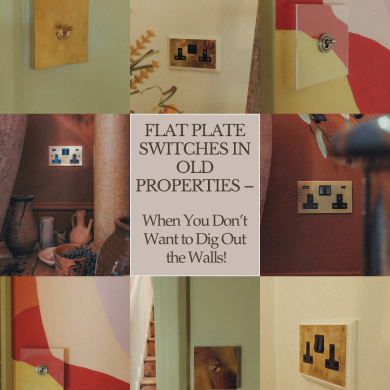
Renovating or upgrading electrics in old properties often comes with a familiar challenge: shallow back boxes hidden behind thick plaster, solid masonry or uneven walls.... Continue reading
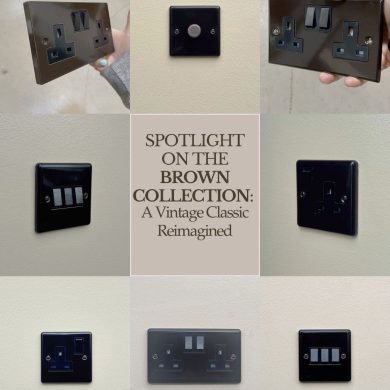
For anyone renovating a period property, the smallest details often carry the greatest weight. Original fixtures (especially electrical hardware) help preserve the character and authenticity... Continue reading

At Bromleighs, every collection tells a story of British craftsmanship and the Forge Collection is one of our most characterful. Inspired by traditional metalworking and... Continue reading

Renovating a period home is about more than modern upgrades - it’s about honouring history while creating a space that feels timeless and personal. In... Continue reading
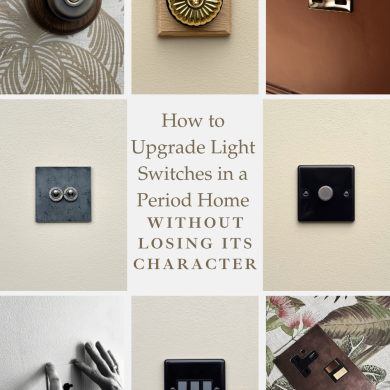
Owning a period property is like holding a piece of living history. Whether it’s a Georgian terrace, a Victorian villa or an Arts & Crafts... Continue reading