

No products in the cart.


When restoring heritage buildings, you must carefully select electrical components that preserve historical charm whilst ensuring modern safety.
Consider period-appropriate switches and outlets like Bakelite and porcelain options for authenticity. Cloth-covered wiring and cast iron conduits enhance vintage aesthetics.
Integrating antique brass fixtures and Edison bulbs adds ambience. Specialised switches, such as reproduction push buttons, blend heritage style with contemporary needs.
How do these choices impact the building’s overall integrity?
Key Takeaways
- Period-appropriate light switches preserve historical integrity whilst ensuring modern functionality in heritage buildings.
- Vintage-style electrical outlets enhance historical context with materials like brass, porcelain, or Bakelite for authenticity.
- Cloth-covered wiring balances aesthetics and safety, complementing vintage-style outlets in heritage settings.
- Antique brass light fixtures and authentic Edison bulbs enhance historical ambience and architectural features.
- Porcelain fuse holders and Bakelite switch plates ensure safety, reliability, and vintage aesthetic in electrical systems.
Period-Appropriate Light Switches

When it comes to preserving the historical integrity of heritage buildings, choosing period-appropriate light switches is vital. You’ll want to ensure that the switches not only reflect the period design but also maintain modern switch functionality without compromising the building’s historical aesthetics. Start by analysing the architectural style and era of your property. Each era has distinct design elements, so it’s important to match switches to these characteristics meticulously. Consider the materials, finishes, and mechanical action typical of the period. Modern reproductions often offer enhanced durability while respecting historical accuracy. Additionally, verify electrical compliance by checking that the internal mechanisms meet current safety standards. Remember, the right choice seamlessly integrates functionality with period design, preserving authenticity.
Vintage-Style Electrical Outlets
Selecting vintage-style electrical outlets for heritage buildings requires a keen eye for detail and a commitment to maintaining historical accuracy. You’ll need to align your choices with vintage design trends that reflect the era of the building. Consider the shape, material, and finish of the outlets to match the historical context. Brass, porcelain, or Bakelite options can evoke the original aesthetic while ensuring modern electrical safety standards. Utilise electrical restoration techniques to integrate these outlets without compromising the building’s structural integrity. Pay attention to the outlet’s configuration and compatibility with existing wiring. Your approach should blend technical proficiency with a respect for the building’s history, ensuring that each outlet not only functions efficiently but also enhances the architectural narrative.
Cloth-Covered Wiring

As you thoughtfully incorporate vintage-style electrical outlets into heritage buildings, it’s equally important to address the wiring that supports them, particularly with cloth-covered wiring. This type of wiring not only complements the cloth aesthetics of your restoration but also requires careful consideration for wiring safety. Modern cloth-covered wiring features updated insulation materials beneath the cloth exterior, guaranteeing compliance with current safety standards while maintaining a period-appropriate appearance.
You’ll want to confirm the wiring is adequately earthed and the cloth covering is free from damage or fraying, which could compromise safety. When installing, pay attention to the compatibility with existing electrical systems. By balancing aesthetics with functionality, you enhance the building’s historic charm without sacrificing electrical performance.
Antique Brass Light Fixtures
When selecting antique brass light fixtures for heritage buildings, you should consider their vintage aesthetic appeal, which can enhance the historical ambience of any space. Confirm that the fixtures maintain authentic material quality to preserve the building’s integrity and comply with preservation standards. Additionally, verify their compatibility with existing wiring systems to prevent potential electrical issues and maintain operational safety.
Vintage Aesthetic Appeal
Although modern design trends often favour sleek and minimalistic elements, antique brass light fixtures offer an unparalleled vintage aesthetic that complements the rich history of heritage buildings. These fixtures infuse spaces with vintage charm, creating aesthetic harmony by bridging past and present. When selecting antique brass fixtures, consider these factors:
| Feature | Benefit | Consideration |
|---|---|---|
| Vintage Finish | Enhances historic feel | Requires regular polishing |
| Design Variability | Customisable looks | May need bespoke options |
| Functional Adaptability | Suits modern wiring | Check for compatibility |
Incorporating these elements guarantees your lighting solutions not only respect the architecture but also add depth and character. By choosing antique brass, you’re investing in a timeless design that resonates with a building’s storied past.
Authentic Material Quality
Antique brass light fittings offer more than just aesthetic allure; they deliver authentic material quality that stands the test of time. When you’re focused on heritage preservation, selecting fittings made from genuine antique brass guarantees you’re maintaining historical accuracy. With meticulous material sourcing, these fittings are crafted to replicate the enduring qualities of original designs. The resistance to corrosion and patina development over decades highlights their durability, making them a prudent choice for long-term investment. You’ll find that antique brass not only enhances the visual integrity of heritage buildings but also upholds structural resilience. By choosing these fittings, you’re actively contributing to the preservation of historical value while enjoying the benefits of reliable, quality craftsmanship that doesn’t compromise on authenticity.
Compatibility With Wiring
Confirming that antique brass light fixtures are compatible with modern wiring systems is vital for both safety and functionality. First, assess the wiring integrity by inspecting the fixture’s internal components. Look for frayed wires or outdated materials that may compromise safety. Use a multimeter to verify electrical continuity and ascertain no breaks in the current pathway. Historical compliance is significant; maintain the fixture’s original aesthetic while updating the wiring to meet present standards. You might need to replace old wiring with new, insulated cables that support current electrical loads. Conduct a thorough comparison between the existing wiring and modern requirements to prevent overloads. By addressing these important aspects, you preserve the fixture’s charm while guaranteeing it functions safely within contemporary systems.
Porcelain Fuse Holders
Porcelain fuse holders are integral to preserving the integrity and safety of electrical systems in heritage buildings. Their superior porcelain durability guarantees that they withstand high temperatures and environmental stress, vital for maintaining the building’s authenticity and safety. When you choose these components, you’re investing in reliable fuse functionality, which is essential for preventing electrical overloads that could damage original structures.
Porcelain’s non-conductive properties make these fuse holders exceptionally safe, reducing the risk of short circuits. They also resist wear and tear over time, providing a long-lasting solution that aligns with the historic aesthetic. By opting for porcelain fuse holders, you ensure that the electrical system performs at its best, preserving both the building’s historical character and electrical safety standards.
Bakelite Switch Plates

When considering Bakelite switch plates for heritage buildings, you’ll appreciate their vintage aesthetic appeal, which seamlessly integrates with period-specific interiors. These switch plates offer not only a timeless look but also remarkable durability, ensuring they withstand the test of time without compromising functionality. Additionally, Bakelite’s insulating properties contribute to enhanced safety, making it a prudent choice for electrical components in historical restorations.
Vintage Aesthetic Appeal
Although modern electrical components offer many advantages, those restoring heritage buildings often prioritise the vintage aesthetic appeal that classic materials like Bakelite switch plates provide. You’ll find that integrating these elements enhances the building’s vintage design, preserving its historical charm. Bakelite, a thermosetting phenolic resin, was widely used in early to mid-20th century electrical applications, giving it an authentic period-specific touch.
Incorporating Bakelite switch plates into your project requires careful aesthetic integration. These plates complement other period-specific details, such as original mouldings and fixtures, ensuring a cohesive look. When selecting Bakelite switch plates, consider their colour and style to match existing decor. This thoughtful integration helps maintain the building’s architectural integrity while offering a glimpse into its historical narrative.
Durability and Safety
While modern materials boast advancements, Bakelite switch plates excel in both durability and safety, making them a reliable choice for heritage buildings. You’ll appreciate that these switch plates resist heat and moisture, ensuring electrical safety. Bakelite, a long-lasting material, maintains its integrity over decades, reducing the need for frequent replacements.
Consider these attributes:
| Feature | Benefit | Why It Matters |
|---|---|---|
| Heat Resistance | Prevents overheating | Enhances electrical safety |
| Moisture Resistance | Withstands damp conditions | Ideal for heritage settings |
| Durability | Long service life | Cost-effective over time |
When you install these plates, you’re not just preserving history but also ensuring a safe electrical environment. Their robust nature allows them to endure the tests of time, making them indispensable for heritage conservation.
Reproduction Push Button Switches
Reproduction push button switches are essential for maintaining the historical integrity of heritage buildings while upgrading their electrical systems. When selecting switches, you need to focus on reproduction designs that accurately reflect the original aesthetics. Modern manufacturers offer a variety of options that mimic the classic styles while incorporating up-to-date electrical specifications. Pay attention to switch materials; they should combine historical accuracy with durability. For example, using materials like brass and porcelain not only emulates the original appearance but also guarantees long-lasting performance. Evaluate the tactile feedback of the switch mechanism, as it should feel authentic and reliable. By choosing high-quality reproduction push button switches, you effectively blend heritage aesthetics with modern functionality, guaranteeing both safety and style in your building.
Cast Iron Conduit and Fittings

Switching focus from push button switches, cast iron conduit and fittings play a significant role in preserving the aesthetic and structural integrity of heritage buildings’ electrical systems. When considering conduit installation, the cast iron’s durability is unmatched, offering resistance to physical damage and environmental degradation. This not only guarantees long-term functionality but also maintains the building’s historic character.
Here’s a quick comparison of cast iron benefits:
| Feature | Benefit |
|---|---|
| Cast Iron Durability | Long-lasting protection |
| Conduit Installation | Seamless integration |
| Aesthetic Preservation | Maintains historic charm |
Authentic Edison Bulbs
Authentic Edison bulbs offer a unique blend of historical charm and functional illumination, making them an ideal choice for heritage buildings. Their historical significance lies in their design, which mirrors the original incandescent bulbs created by Thomas Edison in the late 19th century. These bulbs provide a warm, inviting glow, enhancing the architectural features and period-appropriate aesthetics of heritage sites. When considering design inspiration, you should note that Edison bulbs are often crafted with visible filaments, which add an intricate, vintage touch to any room. They’re available in various shapes and sizes, allowing you to customise your lighting while maintaining authenticity. Their compatibility with modern fixtures guarantees that you can seamlessly integrate them into existing systems without compromising on style or efficiency.
Classic Rotary Dimmer Switches

While preserving the historical integrity of heritage buildings, classic rotary dimmer switches provide a subtle yet effective solution for controlling lighting levels. When considering their design, focus on selecting switches that complement the building’s existing aesthetic. Opt for finishes and materials that reflect the era while guaranteeing modern functionality. Prioritise units with smooth rotation and durable construction to withstand frequent use.
For installation, verify compatibility with existing wiring, which may require adaptors or updated electrical boxes. Carefully assess load capacity to prevent overheating and guarantee seamless operation with the building’s lighting system. Precision in installation is vital; improper setup can lead to flickering or reduced dimming range. Follow these design considerations and installation tips to effectively integrate classic rotary dimmer switches into heritage buildings.
Frequently Asked Questions
How Can We Ensure Electrical Safety in Heritage Buildings?
To guarantee electrical safety, you should conduct thorough wiring inspections regularly. This helps identify any outdated or damaged components that could pose a risk. Ensure your earthing systems are up-to-date and properly installed to prevent electrical shocks and fire hazards. Analyse potential weak points by evaluating the building’s unique structure and materials. It’s essential to integrate modern safety standards while respecting the building’s historical integrity.
Are There Modern Alternatives to Traditional Electrical Components?
When considering modern alternatives to traditional electrical components, you’ll find that LED lighting and wireless controls are excellent options. LED lighting offers energy efficiency and longevity, reducing maintenance needs. Wireless controls provide flexibility, allowing you to manage systems remotely and integrate them with smart technologies. Analysing these components, you’ll see they deliver enhanced safety and improved aesthetics without compromising the architectural integrity, making them ideal for modernising any building’s electrical system.
What Is the Cost of Maintaining Vintage Electrical Systems?
When considering the cost of maintaining vintage electrical systems, you’ll need a detailed cost breakdown. Regular maintenance frequency can greatly impact expenses. You’ll typically face costs for inspections, replacement of worn-out components, and specialised labour due to outdated technologies. It’s essential to analyse each element, from wiring to fixtures, to understand the financial implications. Frequent maintenance guarantees safety and efficiency but requires a proactive approach to manage these potentially high costs effectively.
How Do We Integrate Energy-Efficient Solutions in Historic Properties?
To integrate energy-efficient solutions in historic properties, you’ll need to balance sustainable materials with architectural preservation. Start by conducting a detailed analysis of the building’s existing systems. Replace outdated components with modern, energy-efficient alternatives that mimic the original design. Use LED lighting and smart sensors to reduce energy consumption without compromising aesthetics. Employ non-invasive techniques to maintain the building’s integrity while enhancing efficiency, ensuring historical value remains intact.
Can Heritage Buildings Be Retrofitted With Smart Home Technology?
Yes, you can retrofit heritage buildings with smart home technology by ensuring a balance between smart technology integration and heritage preservation. First, conduct a detailed assessment of the building’s structure to identify suitable areas for installing smart systems. Use wireless technologies to minimise structural changes. Opt for discreet sensors and controls that maintain aesthetic integrity. Implement smart lighting and climate control systems to enhance energy efficiency whilst preserving the building’s historical value.


Related posts
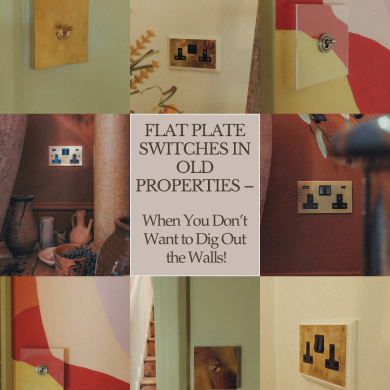
Renovating or upgrading electrics in old properties often comes with a familiar challenge: shallow back boxes hidden behind thick plaster, solid masonry or uneven walls.... Continue reading
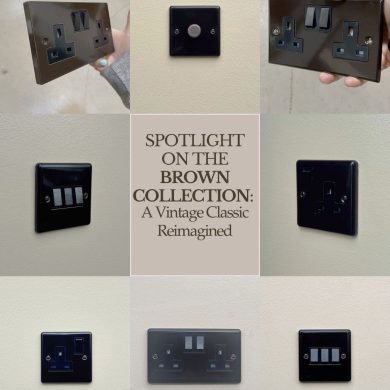
For anyone renovating a period property, the smallest details often carry the greatest weight. Original fixtures (especially electrical hardware) help preserve the character and authenticity... Continue reading

At Bromleighs, every collection tells a story of British craftsmanship and the Forge Collection is one of our most characterful. Inspired by traditional metalworking and... Continue reading

Renovating a period home is about more than modern upgrades - it’s about honouring history while creating a space that feels timeless and personal. In... Continue reading
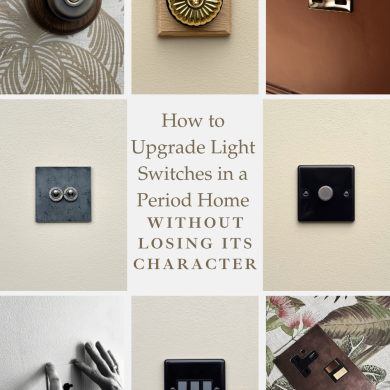
Owning a period property is like holding a piece of living history. Whether it’s a Georgian terrace, a Victorian villa or an Arts & Crafts... Continue reading