

No products in the cart.
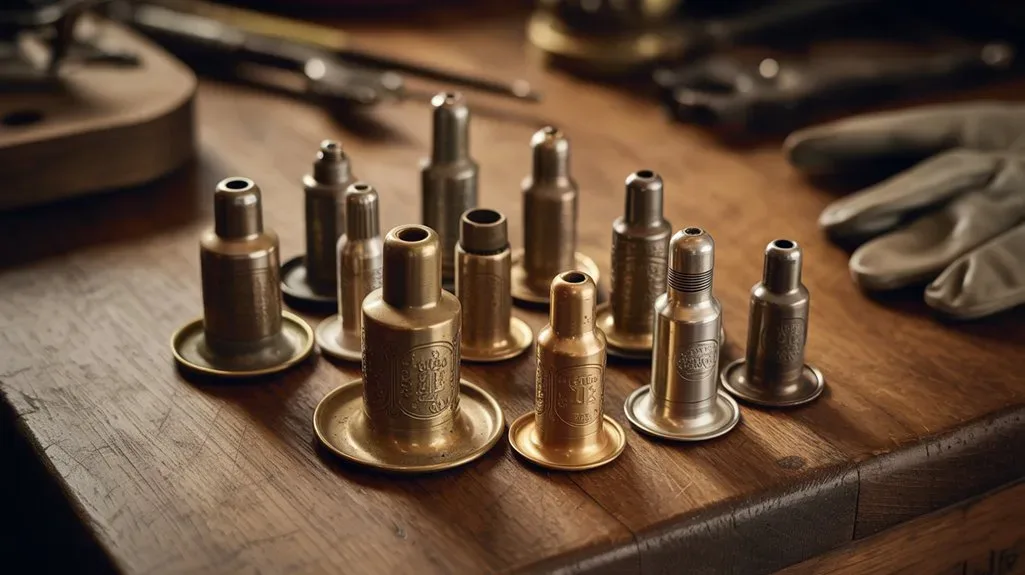

When you’re tackling heritage restorations, selecting vintage sockets isn’t just about aesthetics—it’s about honouring history.
Porcelain rotary and Bakelite flush mount sockets provide durability and authenticity. Brass toggles and Victorian push buttons add tactile charm, while Edwardian plates provide elegance.
Art Deco and mid-century modern styles offer unique design elements. These choices guarantee your project seamlessly blends functionality with period-specific style.
Curious to explore which sockets best suit your restoration needs?
Key Takeaways
- Porcelain rotary sockets offer durability and vintage aesthetics essential for restoring historical interiors with authentic tactile experiences.
- Bakelite flush mount sockets capture early 20th-century authenticity, ensuring seamless integration and historical accuracy in heritage restorations.
- Brass toggle sockets merge functionality with historical charm, enhancing both visual appeal and period-correct operation in heritage projects.
- Victorian era push button sockets provide historical significance and authenticity, though require careful attention to complex wiring for accurate restorations.
- Art Deco style sockets feature geometric patterns and luxurious finishes, perfect for complementing vintage lighting fixtures in heritage restorations.
Porcelain Rotary Sockets

Although often overshadowed by modern electrical innovations, porcelain rotary sockets hold a unique charm and functionality that are essential in heritage restorations. These sockets, with their classic porcelain finishes, seamlessly blend with vintage aesthetics, making them perfect for restoring historical interiors to their former glory. You’ll appreciate the meticulous craftsmanship that goes into each piece, reflecting a bygone era where form and function were in perfect harmony.
The durability of porcelain guarantees longevity, which is vital when maintaining the historical integrity of older buildings. Unlike modern alternatives, these sockets offer a tactile, rotary switch experience that evokes nostalgia while providing reliable operation. Their timeless design not only aligns with historical authenticity but also adds a touch of elegance to any restoration project.
Bakelite Flush Mount Sockets
When you choose Bakelite flush mount sockets for your restoration project, you embrace an authentic period design that was a hallmark of early 20th-century interiors. Known for their durability and longevity, Bakelite sockets provide a reliable solution that withstands the test of time, offering both practicality and historical accuracy. Installation and compatibility are straightforward, as these sockets integrate seamlessly with existing electrical systems, making them a versatile choice for heritage restorations.
Authentic Period Design
To truly capture the essence of a bygone era in heritage restorations, incorporating authentic period design elements such as Bakelite flush mount sockets is indispensable. These sockets provide vintage aesthetics that perfectly complement period lighting, allowing you to recreate the distinctive charm of early 20th-century interiors. Bakelite, a groundbreaking material first introduced in the 1900s, offers a unique combination of functionality and style, making it a popular choice for restorers aiming for historical accuracy.
Consider the emotional resonance of authentic design:
- Nostalgia: Reconnect with a time when craftsmanship was celebrated.
- Elegance: Elevate spaces with the understated beauty of period-appropriate fixtures.
- Authenticity: Honour the original character of historical properties.
Durability and Longevity
While modern materials have made significant advances, Bakelite remains a paragon of durability and longevity, particularly in the sphere of flush mount sockets. Bakelite’s chemical composition offers inherent socket resilience, essential for maintaining electrical safety standards in heritage restorations. Introduced in the early 20th century, Bakelite set the benchmark for heat resistance and dielectric strength, attributes that have kept it relevant even today. Its non-conductive and robust nature guarantees longevity, making it ideal for vintage maintenance. You’ll find that its enduring reliability reduces the need for frequent replacements, preserving the authentic feel of period restorations. With Bakelite flush mount sockets, you’re not just choosing a component; you’re investing in a piece of history that stands the test of time.
Installation and Compatibility
Ensuring proper installation and compatibility is vital for Bakelite flush mount sockets in heritage restorations. As you embark on a restoration journey, understanding the intricacies of socket installation guarantees historical accuracy and modern safety. Bakelite, a hallmark of vintage charm, demands precision. Aligning these sockets with existing wiring systems can pose challenges, but the results are rewarding when executed correctly.
- Authenticity Preservation: Maintaining the original aesthetic is essential for historical integrity.
- Electrical Safety: Ensuring compatibility with contemporary wiring standards prevents potential hazards.
- Aesthetic Harmony: Seamless integration enhances the overall visual appeal of your project.
With careful planning and attention to detail, you can achieve restoration compatibility, marrying the allure of the past with the safety standards of today. Your dedication to craftsmanship will certainly shine through.
Brass Toggle Sockets
Brass toggle sockets are essential components in heritage restorations, seamlessly merging functionality with historical authenticity. You’ll find that their brass finishes evoke the charm of bygone eras, making them ideal for maintaining vintage aesthetics. The toggle mechanism itself is a nod to early 20th-century design, offering both tactile satisfaction and period-correct operation. When selecting these sockets, it’s vital to take into account the quality of brass used, as this affects both durability and appearance over time.
In terms of installation, ensure compatibility with existing electrical systems, as older buildings often have unique wiring requirements. You’ll appreciate how brass toggle sockets not only enhance the visual appeal of your restoration project but also preserve its integrity by staying true to its historical roots.
Art Deco Style Sockets

As you commence integrating Art Deco style sockets into your heritage restoration, it is crucial to understand their distinctive characteristics that set them apart. Art Deco aesthetics, emerging in the 1920s and 1930s, emphasised geometric shapes, symmetry, and bold lines. When choosing these sockets, consider how they complement the vintage lighting fixtures and your overall design vision. Their elegance and sophistication can transform any restoration project.
- Intricate Geometric Patterns: Enchanting designs that evoke the opulence of a bygone era.
- Chrome and Brass Finishes: Authentic materials that highlight the luxurious feel typical of Art Deco interiors.
- Streamlined Silhouettes: Sleek forms that reflect the forward-thinking optimism of the early 20th century.
These elements harmonise to create an atmosphere of timeless elegance in your restoration.
Victorian Era Push Button Sockets
When selecting Victorian Era push button sockets, you must guarantee they align with the authenticity and historical accuracy of your restoration project. These sockets, originally crafted with meticulous attention to material quality, often featured brass and porcelain components, reflecting the era’s emphasis on durability and sophistication. By incorporating these elements, you maintain the integrity of the period’s craftsmanship, offering a seamless blend of function and historical fidelity.
Authenticity and Historical Accuracy
To achieve true authenticity and historical accuracy in heritage restorations, it is crucial to understand the nuanced design and function of Victorian Era push button sockets. These sockets hold historical significance, having been pivotal in domestic electrification during the late 1800s. You’re faced with restoration challenges when replicating these intricate designs. Authenticity demands attention to every detail, from the brass finishes to the tactile button mechanism.
Consider these factors to evoke the era’s essence:
- Historical Significance: Embrace the charm of period-specific aesthetics.
- Restoration Challenges: Navigate complex wiring and compatibility issues.
- Attention to Detail: Preserve the integrity of materials and craftsmanship.
Material and Craftsmanship Quality
While delving into the material and craftsmanship quality of Victorian Era push button sockets, you’ll find a demonstration of the period’s engineering excellence. These sockets, typically crafted from robust brass or copper, exhibit durability and an intricate design reflecting the era’s craftsmanship techniques. The attention to detail is evident in the precise machining and elegant finishes, ensuring both functionality and aesthetic appeal. When restoring these historical pieces, you face restoration challenges such as sourcing authentic materials and replicating original techniques. Understanding the diverse alloy compositions and replication of period-specific details is essential. By mastering these elements, you not only preserve the socket’s integrity but also honour its historical significance, making it a seamless fit for heritage restorations.
Edwardian Period Plate Sockets

Edwardian period plate sockets, characterised by their refined design and practicality, offer a fascinating glimpse into early 20th-century electrical innovations. These sockets embody Edwardian aesthetics with their elegant lines and intricate detailing, seamlessly blending stylish functionality. You’ll appreciate how they reflect a time when technology had to harmonise with the era’s sophisticated interiors rather than overshadow them.
When considering these sockets, think about:
- Elegance: Their polished surfaces and elegant design elements elevate any room’s aesthetic.
- Craftsmanship: Each piece showcases meticulous attention to detail, a demonstration of the era’s dedication to quality.
- Historical Significance: Owning a piece of history that connects you to a transformative period in electrical engineering.
Incorporating Edwardian period plate sockets in your restoration project not only enhances authenticity but also celebrates a pivotal era in design.
Early 20th Century Surface Mount Sockets
Although often overshadowed by their more ornate counterparts, early 20th-century surface mount sockets represent a pivotal shift in electrical design, marrying functionality with the burgeoning need for safety in domestic settings. You’ll appreciate their vintage aesthetics, which highlight a blend of simplicity and practicality. These sockets were designed to be mounted directly onto walls, offering a straightforward installation process that minimised disruption to existing structures.
Their socket functionality was innovative for the time, with early designs incorporating features such as screw terminals and robust insulation. Such features not only guaranteed a safer electrical connection but also catered to the growing electrification of homes. By choosing these sockets for heritage restorations, you honour a period where electrical safety and design began to converge meaningfully.
Mid-Century Modern Sockets

When you explore Mid-Century Modern sockets, focus on their authentic design elements that reflect the sleek, minimalist aesthetic of the post-war era. Pay attention to the material quality standards of the time, as manufacturers often used durable metals and plastics that were innovative for their day. Consider installation compatibility factors, ensuring these sockets can integrate seamlessly with both vintage setups and contemporary electrical systems.
Authentic Design Elements
Mid-Century Modern sockets capture the essence of a design era characterised by simplicity and functionality, making them an essential element in authentic restorations. These sockets embody the vintage aesthetics that defined the mid-20th century, with clean lines and minimal ornamentation. When engaging in restoration techniques, selecting sockets that reflect this era’s design principles guarantees authenticity.
Consider the following design elements that evoke the era’s spirit:
- Geometric Shapes: Emphasise the era’s fascination with form and structure.
- Muted Colour Palettes: Utilise colours that complement the understated elegance of the design.
- Integrated Functionality: Focus on designs that enhance usability without losing aesthetic appeal.
Material Quality Standards
Understanding material quality standards is essential for selecting mid-century modern sockets that not only look authentic but also endure the test of time. You need to take into account both historical accuracy and modern safety regulations. During the mid-century era, manufacturers used materials like Bakelite and ceramic, known for durability and heat resistance. When sourcing vintage pieces, verify they meet today’s safety standards, avoiding sockets with degraded insulation or compromised components. Authentic vintage sourcing involves verifying the provenance of materials, confirming they align with original specifications. This meticulous approach guarantees that the sockets not only serve as genuine historical artefacts but also maintain functionality. Prioritise sockets that balance historical fidelity with material robustness, ensuring they’re both visually and structurally sound.
Installation Compatibility Factors
To guarantee successful integration of mid-century modern sockets into your heritage restoration project, you must carefully consider installation compatibility factors. These sockets were designed during an era rich in innovation, demanding precise attention to installation requirements and socket dimensions. Your restoration should respect the original design while meeting modern standards.
- Respect the Past: Mid-century sockets often have unique dimensions. Confirm your walls accommodate these differences without compromising structural integrity.
- Balance Aesthetics with Functionality: Modern electrical codes must be considered alongside maintaining the socket’s authentic appearance.
- Future-Proofing: Installing sockets that allow for future updates or replacements confirms longevity and adaptability in your project.
Antique Brass and Ceramic Sockets

When embarking on a heritage restoration project, antique brass and ceramic sockets offer not only functional benefits but also historical authenticity. These components, crafted with antique finishes, blend seamlessly into vintage aesthetics, ensuring your restoration maintains its period-correct charm. You will find that brass, with its aged patina, provides a warm, sophisticated look, whilst ceramic adds an element of durability and heat resistance, essential for safety.
Historically, these materials were popular in late 19th and early 20th-century electrical fittings, making them ideal for projects focused on those eras. As you explore the technical aspects, consider the socket’s threading and fit, which are vital for compatibility with period-appropriate lamps. These sockets enhance not just functionality but also the historical narrative of your restoration.
Cast Iron Industrial Sockets
Although often overshadowed by more decorative materials, cast iron industrial sockets play an essential role in heritage restorations that aim to capture the robust spirit of early industrial design. Their unmatched durability and timeless industrial aesthetics make them indispensable. The cast iron benefits include its resistance to wear and corrosion, ensuring longevity in demanding environments. Historically, cast iron was a staple in factories and warehouses, symbolising strength and endurance. When you choose these sockets, you’re embracing a pivotal era of innovation.
- Durability: Cast iron withstands wear and tear, a reflection of the era’s engineering prowess.
- Authenticity: It channels the gritty, unapologetic industrial aesthetics of the past.
- Sustainability: Using these sockets supports eco-friendly restoration practices by repurposing durable materials.
These advantages make cast iron sockets invaluable in your restoration projects.
Frequently Asked Questions
How Do You Safely Install Vintage Sockets in Modern Homes?
To safely install vintage sockets in modern homes, you must understand vintage wiring and ensure socket safety. First, inspect the wiring for compatibility and integrity. Next, integrate modern circuit breakers to prevent overloads. Verify the socket’s earthing is up to current codes to avoid electrical hazards. Do not forget, using a voltage tester can offer extra assurance. Finally, consult a professional electrician familiar with historical electrical systems for a seamless installation.
What Maintenance Is Required for Vintage Sockets?
To maintain vintage sockets, you should prioritise regular socket cleaning to remove dust and debris that can impair their function. Conduct a detailed wiring inspection to guarantee the integrity of the connections and check for any signs of wear or corrosion. Don’t neglect the historical context; use materials and techniques compatible with the era. This approach not only preserves functionality but also maintains the historical authenticity of the sockets.
Are Vintage Sockets Compatible With LED Bulbs?
When considering LED compatibility with vintage sockets, you need to examine the original vintage wiring. Many vintage sockets can handle LED bulbs due to their similar wattage requirements. However, you should verify the condition of the wiring, as outdated or degraded wiring might not support modern LED demands. Ascertain proper earthing and insulation to avoid potential hazards. By addressing these factors, you can safely integrate LED technology into vintage lighting systems.
How Can You Identify Authentic Vintage Sockets?
To identify authentic vintage sockets, closely analyse the socket design. Look for specific materials such as porcelain or Bakelite, which highlight historical significance. Check for unique manufacturing marks or patinas that indicate age. Compare the design with historical catalogues or references to guarantee accuracy. Authentic sockets often feature craftsmanship details that replicas lack. Pay attention to wiring styles and construction techniques, as these elements reveal much about the era and authenticity.
What Materials Are Commonly Used in Vintage Socket Restorations?
You’re tackling socket restorations, focusing on materials used. Often, you’ll find brass finishes are essential due to their historical accuracy and durability. They offer a timeless aesthetic and resist corrosion. Ceramic insulators are another key component; they provide excellent heat resistance and electrical insulation. Historically, these materials were favoured for their functionality and period authenticity, making them indispensable when restoring sockets to their former glory while maintaining safety and integrity.

Related posts
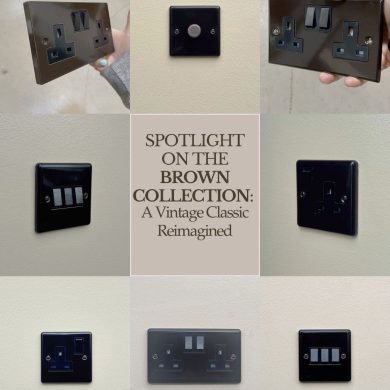
For anyone renovating a period property, the smallest details often carry the greatest weight. Original fixtures (especially electrical hardware) help preserve the character and authenticity... Continue reading
Did you catch our latest article? We've explored how the light switch has evolved over the years, from candlelight to the very first electric light,... Continue reading
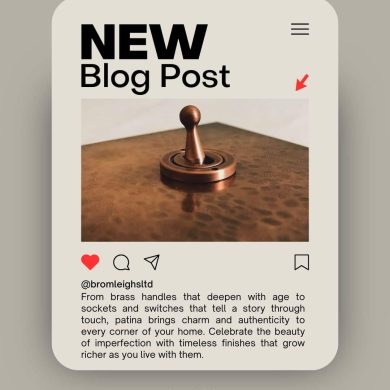
When it comes to designing a home, most people think about the big elements first - flooring, paint colours, cabinets, maybe even statement lighting. But... Continue reading
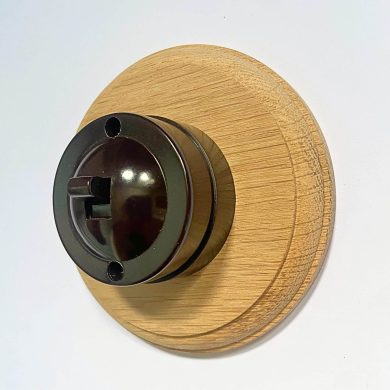
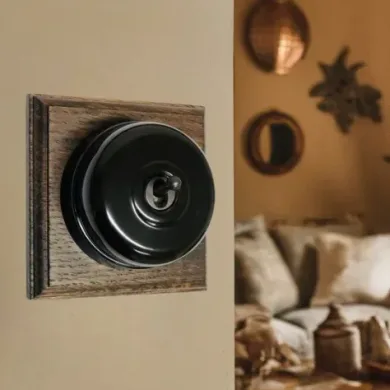
Bakelite switches have long been a favourite in heritage, period and retro-inspired interiors. They bring a timeless elegance, a nod to early 20th-century design and... Continue reading
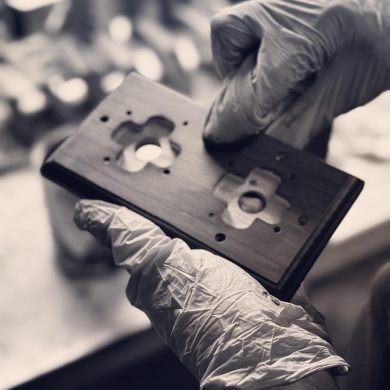
Following launch our new website, we wanted to take a moment to share our story - one that starts with a quirky idea, a family... Continue reading