

No products in the cart.


When selecting antique switch plates for your heritage home, you should explore the architectural nuances of your property, considering its historical context.
It’s essential to align switch plates with your home’s era, using materials like brass or porcelain that echo its original design.
Assess the authenticity and craftsmanship, as genuine pieces hold more value and charm.
But how do you navigate the balance between reproduction and authenticity, and where do you begin your search?
Key Takeaways
- Assess the architectural style of your home to select switch plates that match its historical and aesthetic context.
- Opt for materials and finishes that reflect the era’s authenticity, ensuring durability and maintenance compatibility.
- Evaluate the condition, craftsmanship, and period relevance of switch plates for historical accuracy and potential value appreciation.
- Choose between authentic pieces for unique history or reproductions for cost-effectiveness and easier sourcing.
- Explore local antique shops for expert advice and inspect items personally; use online platforms for broader selections and competitive pricing.
Understanding the Historical Significance

When choosing antique switch plates, it is important to appreciate their historical significance, as these small yet impactful pieces reflect the technological and artistic trends of their time. Each switch plate serves as a tangible link to past eras, encapsulating the historical context in which it was crafted. You’ll notice architectural influences in the design, whether it be the ornate flourishes of the Victorian period or the streamlined simplicity of the Art Deco movement. Recognising these styles not only enhances your appreciation but also aids in accurately valuing the switch plates. Understanding their origins can reveal much about the era’s social and industrial developments. As you explore this world, you’ll gain insight into how these elements influenced the functional art of interior design.
Assessing the Architectural Style of Your Home
As you embark on the journey of selecting antique switch plates, evaluating the architectural style of your home becomes an essential step in ensuring harmony between past and present elements. Begin by identifying key architectural features—such as window shapes, rooflines, and decorative mouldings. These design elements reveal the historical context, guiding your choice of switch plates.
| Architectural Style | Key Features | Suitable Switch Plates |
|---|---|---|
| Victorian | Ornate mouldings | Intricate, decorative |
| Craftsman | Exposed woodwork | Simple, hammered metal |
| Georgian | Symmetrical design | Classic, understated |
Evaluating Material and Finish Options

Selecting the right material and finish for your antique switch plates is essential for achieving a cohesive aesthetic that complements your home’s architecture. To guarantee both beauty and longevity, consider these factors:
- Material Durability: Brass, copper, and bronze offer robust options, standing the test of time with proper care, and they historically align with many heritage styles.
- Finish Maintenance: Antique finishes like patina or aged bronze require regular upkeep to maintain their unique allure, preserving their historical charm.
- Authenticity: Choose materials and finishes that reflect the historical period of your home, adding authenticity and value.
- Cost vs. Value: While solid metals might be pricier, their durability and minimal maintenance often justify the investment, providing long-term value and aesthetic appeal.
Consider these points to enhance your home’s historic allure.
Considering the Era of Your Home
When selecting antique switch plates, consider the historical architectural style of your home to guarantee a seamless aesthetic. You should prioritise authentic period materials and designs that reflect the era in which your home was built, as this can greatly enhance its historical value. By matching switch plates with period-appropriate designs, you not only preserve architectural integrity but also potentially increase the property’s overall worth.
Historical Architectural Styles
While delving into the realm of antique switch plates, understanding historical architectural styles can guide your choices, especially when considering the era of your home. Familiarising yourself with these styles ensures your switch plates enhance, rather than clash with, your home’s design. Here’s a brief analysis:
- Victorian Influences: Characterised by ornate details, these switch plates suit homes from the late 19th century, offering intricate patterns and rich finishes.
- Colonial Aesthetics: With simpler lines and symmetrical designs, these plates work well with 18th-century Colonial homes, emphasising understated elegance.
- Art Deco: Bold geometric shapes and vibrant colours define this 1920s-30s style, perfect for adding a distinctive flair.
- Craftsman: Known for its handcrafted appeal, this early 20th-century style features natural materials and simple, robust designs.
Choose wisely to preserve your home’s historical integrity.
Authentic Period Materials
Understanding the materials used in antique switch plates is essential for preserving the authenticity of your home’s era. Vintage materials such as brass, bronze, porcelain, and even Bakelite reflect the technological advances and aesthetic preferences of different historical periods. When selecting switch plates, you should consider the specific era of your home. For instance, homes from the early 20th century often used brass or bronze due to their durability and decorative appeal.
Restoration techniques are vital in maintaining the integrity of these materials. Gently cleaning with non-abrasive methods will preserve their original finish. In addition, identifying and sourcing genuine vintage materials can enhance your home’s historical value. Accurate valuation requires understanding the rarity and condition of these items, ensuring your choice authentically represents the era’s craftsmanship.
Period-Appropriate Designs
To truly capture the essence of your home’s historical period, you must carefully select period-appropriate switch plate designs that reflect the architectural and aesthetic trends of the time. Evaluating the era of your home is essential.
- Victorian Elegance: If your home dates back to the late 19th century, opt for ornate, intricate patterns featuring floral motifs and brass finishes to embody Victorian elegance.
- Art Deco: For homes from the 1920s to 1930s, seek switch plates with geometric patterns and chrome or nickel materials that echo Art Deco’s streamlined sophistication.
- Craftsmanship Details: Ensure each switch plate mirrors the craftsmanship and materials prevalent during your home’s construction period.
- Historical Accuracy: Prioritise authenticity by researching original designs, enhancing your home’s historical value and aesthetic integrity.
Matching With Existing Hardware
When selecting antique switch plates, ensure style and finish align with your home’s existing hardware to maintain a cohesive aesthetic. Examine the materials used in both your current fixtures and potential switch plates, as material compatibility affects durability and value. Understanding the historical context of your hardware’s style will guide you in choosing switch plates that complement rather than clash with your home’s overall design.
Style and Finish Consistency
When selecting antique switch plates, maintaining style and finish consistency is essential to achieving a cohesive look in your space. Achieving style uniformity involves respecting the historical context of your home, ensuring each piece complements existing design elements. Consider these tips for finish harmony:
- Evaluate Existing Metalwork: Match switch plates with door handles, knobs, and hinges to create a balanced aesthetic.
- Identify Historical Style: Research the architectural era of your home to choose switch plates that reflect its original charm.
- Consider Patina: Opt for finishes that age gracefully over time, enhancing the antique appeal without clashing with other elements.
- Seek Expert Advice: Consult with a valuation expert to guarantee selected pieces are authentic and appropriate for your heritage home.
Material Compatibility Check
Although selecting antique switch plates can enhance the charm of your home, verifying material compatibility with existing hardware is essential for a seamless integration. Begin by evaluating the material durability of your switch plates. Brass, a popular choice in the late 19th and early 20th centuries, offers both robustness and an enduring aesthetic appeal. Compare it with your existing fixtures to determine if they harmonise. Similarly, porcelain switch plates, which exude an elegant feel, should match the quality and finish of your home’s hardware. When appraising wood switch plates, verify they’re treated to withstand wear, paralleling the woodwork’s longevity in your home. Ultimately, matching materials not only preserves historical authenticity but also enhances the overall value and visual harmony of your heritage residence.
Exploring Reproduction vs. Authentic Pieces

Why is it important to distinguish between reproduction and authentic antique switch plates? Understanding the differences helps preserve the historical integrity of your home and ensures you make informed decisions. Reproductions offer several advantages, such as affordability and durability, often mimicking original designs. However, authentic pieces hold intrinsic value, deeply rooted in their historical context and craftsmanship.
Here’s how to weigh your options:
- Reproduction Advantages: Cost-effective, easier to find, and less fragile.
- Authentic Value: Unique history, patina, and potential for appreciation in value.
- Historical Context: Authentic pieces reflect the era’s design trends and craftsmanship techniques.
- Valuation Expertise: Authentic items may require professional appraisal to determine their true worth.
Choosing wisely blends functionality with heritage, enhancing your home’s charm.
Sourcing and Purchasing Guidelines
After discerning the differences between reproduction and authentic antique switch plates, the next step involves effectively sourcing and purchasing these items to align with your goals. Begin by exploring local antique dealers; their knowledge provides historical context and valuation expertise. Don’t overlook sourcing online, where vast selections offer varied styles from different eras.
| Source Type | Pros | Cons |
|---|---|---|
| Local Antique Shops | Personal inspection, expert advice | Limited selection, higher prices |
| Online Platforms | Wide variety, competitive pricing | Risk of misrepresentation, shipping |
| Auctions | Unique finds, potential for bargains | Requires bidding skills, time |
Evaluate condition, craftsmanship, and period relevance to ascertain authenticity and value. Whether you choose to browse local antique shops or explore online platforms, understanding these elements aids in making informed decisions, preserving your heritage home’s charm.
Frequently Asked Questions
How Do I Safely Install Antique Switch Plates Myself?
To safely install antique switch plates yourself, first gather tools needed like a screwdriver and voltage tester. Verify the power’s off at the circuit breaker. Carefully remove the existing plate, noting the historical context of your home’s décor. Align the antique plate, using gentle pressure to avoid damage. Secure it with screws, checking for even placement. Your valuation expertise verifies the plate complements your home’s vintage aesthetic while preserving its historical integrity.
Can Antique Switch Plates Increase the Value of My Home?
Antique switch plates can indeed enhance your home’s value by adding unique charm and historical authenticity. Their intricate designs and craftsmanship reflect a bygone era, appealing to those who appreciate historical aesthetics. By seamlessly blending with your home’s architectural style, these plates elevate its overall appeal. However, the increase in value depends on the condition, rarity, and authenticity of the pieces. Consulting a valuation expert can provide precise insights into their impact.
Are There Specific Brands Known for High-Quality Antique Switch Plates?
When searching for antique switch plates, you’ll find certain vintage manufacturers stand out for their high-quality offerings. Brands like Hubbell and Bryant are renowned for their craftsmanship, providing rich decorative styles that reflect historical design trends. These manufacturers have been creating intricate switch plates for decades, often using materials that guarantee longevity and aesthetic appeal. Investing in these plates not only enhances authenticity but could also potentially increase your home’s historical value.
How Do I Clean and Maintain Antique Switch Plates Properly?
To clean antique switch plates, first, gently dust them with a microfibre cloth. For deeper cleaning, use a mixture of mild soap and water. Avoid harsh chemicals that might damage the patina. Regular maintenance includes inspecting for damage and ensuring screws are tight. These cleaning techniques help preserve the historical essence, enhancing their valuation. Remember, consistent care extends their lifespan and maintains their authentic charm in heritage settings.
What Are Common Signs of Fake or Counterfeit Antique Switch Plates?
When spotting counterfeit antique switch plates, focus on fake materials and craftsmanship details. Authentic plates often show wear consistent with age, while fakes use modern, pristine materials. Examine the craftsmanship; genuine plates display intricate, skilled work typical of their era. Historical knowledge helps you identify inconsistencies in design or materials. Expert valuation often reveals disparities in weight and finish, signalling a reproduction rather than a genuine antique.

Related posts
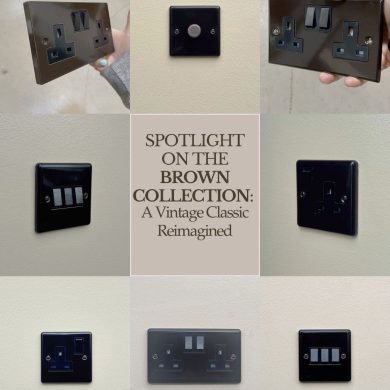
For anyone renovating a period property, the smallest details often carry the greatest weight. Original fixtures (especially electrical hardware) help preserve the character and authenticity... Continue reading
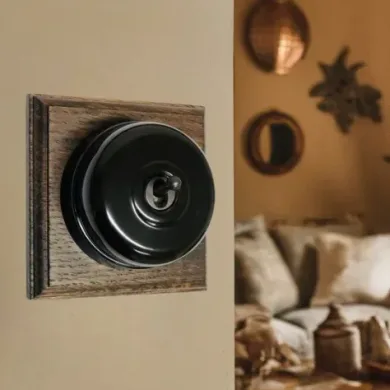
Did you catch our latest article? We've explored how the light switch has evolved over the years, from candlelight to the very first electric light,... Continue reading
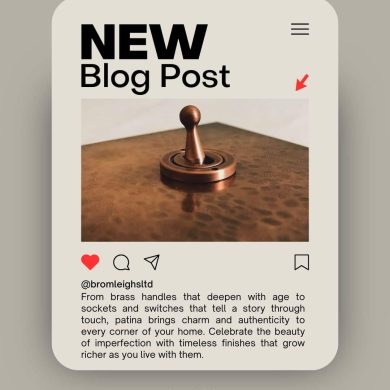
When it comes to designing a home, most people think about the big elements first - flooring, paint colours, cabinets, maybe even statement lighting. But... Continue reading
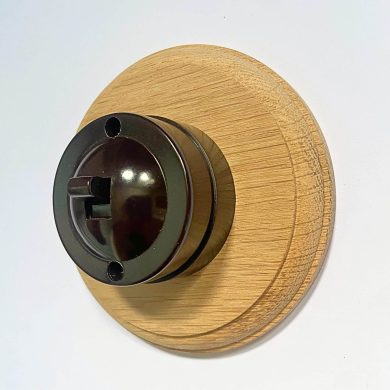
Bakelite switches have long been a favourite in heritage, period and retro-inspired interiors. They bring a timeless elegance, a nod to early 20th-century design and... Continue reading
Following launch our new website, we wanted to take a moment to share our story - one that starts with a quirky idea, a family... Continue reading