

No products in the cart.
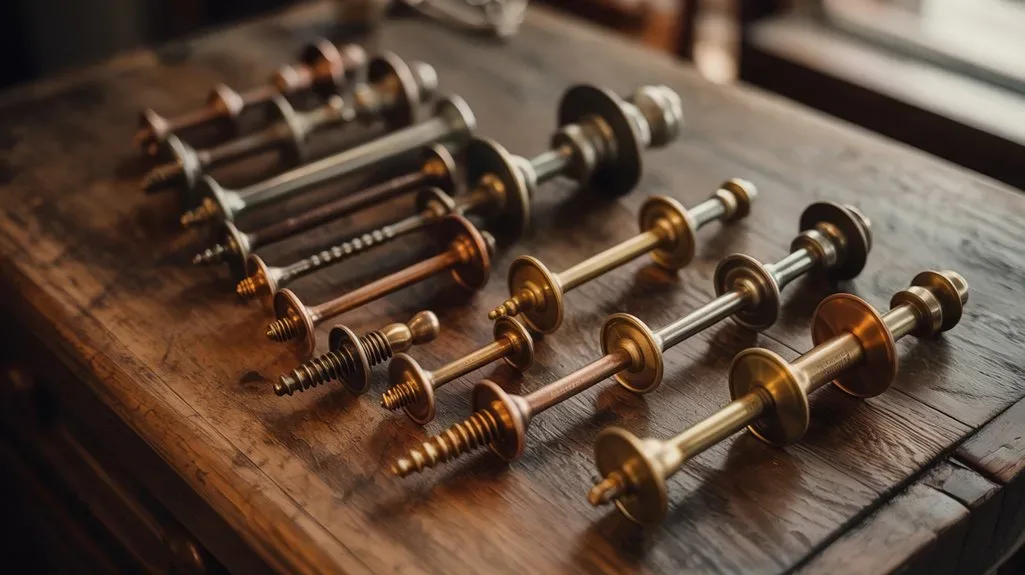

When undertaking a heritage restoration, you’ll find that choosing timeless electrical hardware is essential.
These components not only preserve the aesthetic integrity of historical buildings but also guarantee functionality within modern contexts.
You’ll need to take into account period-specific designs and materials like Bakelite and brass to maintain authenticity.
By carefully selecting and installing these elements, you’ll bridge past and present, creating spaces that speak to their rich histories while serving today’s needs.
What’s your next step?
Key Takeaways
- Use authentic materials like Bakelite, porcelain, and brass to maintain historical integrity and craftsmanship.
- Source components from original manufacturers or reputable salvage yards to ensure historical accuracy.
- Opt for high-quality reproductions that mirror period-specific designs in detail and aesthetic.
- Ensure compatibility with modern safety standards while preserving the vintage look.
- Integrate smart technology discreetly to enhance functionality without compromising historical aesthetics.
Understanding the Importance of Authentic Electrical Hardware

When commencing heritage restoration projects, understanding the importance of authentic electrical hardware becomes essential. You need to guarantee that the vintage craftsmanship of the original installations is preserved. This not only respects the historical significance of the property but also maintains its architectural integrity. The authenticity of electrical components can enhance the historical narrative by highlighting the era’s technological advancements. It’s vital to recognise that each element, from switches to wiring, reflects the design ethos of its time. By choosing genuine hardware, you contribute to a seamless blend of past and present. This attention to detail ensures that every restoration effort aligns with the building’s original character, offering a true homage to its historical roots.
Key Characteristics of Vintage Electrical Switches and Sockets
When you’re selecting vintage electrical switches and sockets for heritage restorations, focus on authentic material choices that reflect the era’s craftsmanship. Consider the design and aesthetic appeal to guarantee these components blend seamlessly with your project’s historical context. It’s also essential to verify their compatibility with modern standards, assuring safety without compromising the vintage charm.
Authentic Material Selection
As you embark on the journey of selecting authentic materials for heritage restorations, understanding the key characteristics of vintage electrical switches and sockets is fundamental. Authentic sourcing is your first step. Seek out suppliers who specialise in vintage hardware and can verify the provenance of their items. This guarantees that the materials you select are not only visually appropriate but also historically accurate. Material authenticity is vital. Look for switches and sockets crafted from materials like Bakelite, porcelain, or brass, which were commonly used in the past. These materials not only provide an authentic look but also assure durability and reliability. By focusing on authentic sourcing and material authenticity, you maintain the historical integrity of your heritage restoration projects.
Design and Aesthetic Appeal
Understanding the authenticity of materials forms the bedrock of heritage restorations, yet design and aesthetic appeal are equally pivotal in replicating the vintage charm of past eras. When selecting electrical hardware, consider the vintage aesthetics that define these timeless pieces. You will notice that the timeless design of vintage switches and sockets often features elegant lines and intricate detailing, evoking a period-specific allure. These elements do not just contribute to functionality; they also enhance the historical narrative of the space. Authentic porcelain, brass, and Bakelite finishes frequently dominate, echoing the craftsmanship of earlier decades. By focusing on these design characteristics, you guarantee your restoration project captures the essence of the era, blending seamlessly with the historical context and elevating the overall ambience.
Compatibility With Modern Standards
While preserving the vintage aesthetics of electrical hardware is essential, guaranteeing compatibility with modern standards is equally important. You need to take into account modern safety and electrical compliance when incorporating vintage switches and sockets into heritage restorations. These components must not only fit aesthetically but also meet today’s rigorous safety requirements. Check that the internal wiring and materials comply with current electrical codes to prevent potential hazards. Modern safety often involves integrating insulated materials and earthing features that vintage designs lack. Additionally, verify that the switches and sockets are tested for electrical compliance by recognised bodies. By doing so, you maintain the nostalgia while ensuring the functionality and safety of the electrical hardware in a contemporary setting.
Material Choices for Heritage Electrical Fittings
When choosing materials for heritage electrical fittings, you need to balance authenticity with durability and aesthetics. Consider using materials like brass and porcelain that not only mirror historical accuracy but also stand the test of time. Additionally, explore eco-friendly options that honour the environment without sacrificing the integrity of your restoration project.
Authentic Material Selections
Selecting authentic materials for heritage electrical fittings requires a keen eye for detail and a deep appreciation of historical context. You need to explore the era you’re replicating to guarantee period materials are accurately chosen. This means studying the types of metals, ceramics, or composites originally used. For instance, if you’re restoring a Victorian-era home, brass or copper might be the go-to choices for fixtures, as these were prevalent during that time. Historical accuracy demands not only the right look but also the correct feel and ageing process of materials. By understanding the original manufacturing techniques and material compositions, you can recreate fittings that not only complement the aesthetic but also honour the past’s craftsmanship.
Durability and Aesthetic Balance
Achieving a perfect balance between durability and aesthetic appeal in heritage electrical fittings involves meticulous consideration of material choices. You need to evaluate durability factors to guarantee that your fittings withstand time and use. Consider materials like brass or bronze, known for their resilience and ability to develop a charming patina, enhancing their historic character. Additionally, you should focus on aesthetic considerations to maintain the integrity of the heritage style. These materials can be crafted to mimic period-specific designs, ensuring that they blend seamlessly with the existing architecture. By prioritising both durability and aesthetics, you’re guaranteeing that your restoration efforts not only preserve the visual allure of the past but also provide lasting functionality in the future.
Eco-friendly Restoration Options
While embracing eco-friendly restoration options, it’s essential to contemplate material choices that not only align with sustainable practices but also respect the historical essence of heritage sites. Using sustainable materials ensures that the environmental impact is minimised, while maintaining the site’s authenticity. Opt for materials that are responsibly sourced and have minimal carbon footprints. Integrate renewable energy sources to power modern electrical fittings without disturbing the aesthetic balance.
- Recycled Metals: Utilise metals like copper and aluminium that are repurposed, reducing the need for new resources.
- Biodegradable Insulation: Consider using natural fibre insulation to enhance energy efficiency without compromising historical integrity.
- Solar-Powered Lighting: Implement solar panels subtly to provide lighting solutions that honour the site’s original design while harnessing renewable energy.
The Role of Design in Restoring Historical Buildings
Understanding the role of design in restoring historical buildings is vital because it bridges the past with the present, ensuring that each structure maintains its original charm while meeting modern standards. You must focus on design principles that honour the building’s historical context. Start by researching the architectural style and period-specific details. This guarantees that any modifications respect the original design while allowing for necessary updates. Pay close attention to materials and colour palettes used in the initial construction, as these elements are vital in preserving authenticity. By integrating modern amenities subtly, you can enhance functionality without overshadowing historical beauty. Balancing the building’s historical essence with contemporary needs is key to a successful restoration that respects both the past and future.
Sourcing Authentic and Reproduction Electrical Components

Preserving the integrity of historical buildings requires careful consideration of both aesthetic elements and functional components, such as electrical hardware. Authentic sourcing is essential to guarantee that the components reflect the era’s style and craftsmanship. You’ll want to explore original manufacturers or salvage yards for genuine pieces. However, when original items aren’t available, reproduction considerations come into play. Look for high-quality reproductions that faithfully mimic the originals in detail and design. Here are some key points to guide your search:
- Authenticity: Verify the age and origin of original components where possible.
- Supplier Reputation: Choose vendors known for their historical accuracy and quality.
- Material Consistency: Confirm the materials used in reproductions match those of the period.
These steps will help maintain the building’s historical essence.
Techniques for Installing Period-Appropriate Electrical Fixtures
To seamlessly integrate period-appropriate electrical fixtures into a heritage building, you must blend historical accuracy with modern safety standards. Start by researching period techniques to understand how fixtures were originally installed. This knowledge helps maintain the building’s authenticity. Carefully examine existing infrastructure to ensure it can support new installations without compromising structural integrity. When executing fixture installation, use historically accurate tools and methods, such as hand-forged nails or period-appropriate mounting brackets, to preserve the building’s charm.
Additionally, document each step of the process to create a reference for future restorations. This guarantees continuity in maintaining the building’s historical essence. Finally, seek advice from specialists familiar with heritage restorations to address complex challenges, ensuring every detail aligns with the building’s original period style.
Balancing Safety Standards With Historical Accuracy

After ensuring that period-appropriate electrical fixtures are correctly installed, the next focus is on maintaining a delicate balance between safety standards and historical accuracy. You must navigate the intricacies of modern safety regulations whilst honouring the integrity of historical preservation. This requires careful planning and an understanding of both fields. First, assess the current safety needs without compromising the building’s historical essence.
- Evaluate material compatibility: Verify that modern materials don’t clash aesthetically or chemically with historical elements.
- Consult safety guidelines: Align updates with current electrical safety standards, keeping historical accuracy in mind.
- Incorporate reversible solutions: Implement changes that can be undone without damaging the original structure.
This approach guarantees that safety and history coexist, preserving heritage whilst protecting occupants.
Case Studies of Successful Heritage Electrical Restorations
When examining successful heritage electrical restorations, the story of the Merton Hall project offers valuable insights. You’ve got a 19th-century building where meticulous heritage preservation is key. The challenge was integrating modern safety standards without compromising historical integrity. Innovative electrical solutions played a pivotal role here. They used period-appropriate materials that blended seamlessly with the original architecture. By employing cutting-edge electrical innovations, like concealed wiring and discreet circuit breakers, they maintained the hall’s vintage charm while ensuring functionality.
Every detail was thoughtfully considered. For instance, they replicated antique switch designs using modern technology, ensuring authenticity in every flip. This project exemplifies how you can honour the past while embracing the future, showing that heritage preservation and modern electrical needs can coexist harmoniously.
Future Trends in Electrical Hardware for Heritage Projects

Building on the insights from successful projects like Merton Hall, you can see a clear trajectory for future trends in electrical hardware for heritage projects. Smart technology and sustainable practices are at the forefront, merging historical integrity with modern efficiency. Consider these emerging trends:
- Integration of Smart Controls: You can use smart technology to manage lighting and climate control discreetly, guaranteeing preservation and energy efficiency.
- Sustainable Material Use: Prioritising materials that are both historically accurate and environmentally friendly will become standard, reducing the carbon footprint of restorations.
- Energy-Efficient Retrofits: Innovative solutions like LED lighting and advanced insulation techniques allow for reduced energy consumption while maintaining historical aesthetics.
These trends guarantee that heritage projects don’t just preserve the past but also embrace the future responsibly.
Frequently Asked Questions
How Do I Find a Qualified Electrician for Heritage Restorations?
Finding a qualified electrician for heritage restorations involves ensuring they meet heritage standards and possess proper electrician qualifications. Start by researching local electricians who specialise in heritage projects. Check online reviews and ask for recommendations from historical societies. Verify their certifications and experience with heritage standards. Don’t hesitate to ask questions about their past projects. A detailed consultation can reveal if they truly understand the nuanced requirements of heritage restorations.
Are There Modern Alternatives for Vintage Electrical Hardware?
You’re considering modern alternatives for vintage electrical hardware, and you’re in luck. Many manufacturers offer modern designs that capture vintage aesthetics, blending today’s technology with yesterday’s charm. These products often include updated safety features and energy efficiency, all while maintaining the nostalgic look you’re aiming for. It’s vital to evaluate the product specifications and guarantee they align with your project’s requirements, confirming both functionality and period-appropriate style in your restoration.
What Are the Maintenance Tips for Vintage Electrical Installations?
When maintaining vintage wiring, prioritise electrical safety by regularly inspecting the insulation for wear and tear. You should check connections for corrosion or loose fittings, ensuring everything is secure. Use a multimeter to test voltage levels and confirm circuits aren’t overloaded. Replace any outdated components with compatible, safe alternatives. Schedule professional assessments periodically to guarantee your system meets current safety standards. This proactive approach helps preserve functionality and prevent potential hazards.
How Can I Identify the Era of Original Electrical Hardware?
To identify the era of original electrical hardware, examine vintage styles and specific hardware features. Look for design elements such as materials, finishes, and shapes. Bakelite and porcelain often suggest early to mid-20th century, whilst brass or copper hints at older styles. Check the manufacturer’s marks or patents on the hardware for clues. Compare these details with known historical catalogues or guides to pinpoint the era, ensuring you’re accurately dating the hardware.
What Permits Are Required for Electrical Work in Heritage Buildings?
When dealing with electrical work in heritage buildings, you’ll need specific permits. First, check local electrical regulations to verify you’re compliant. These regulations often require heritage compliance, meaning the work must preserve the building’s historic value. Contact your local heritage preservation office for guidance on necessary approvals and inspections. It’s crucial to align your plans with both electrical safety standards and the unique requirements of heritage structures before starting any work.


Related posts
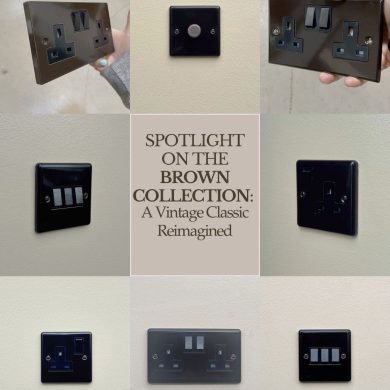
For anyone renovating a period property, the smallest details often carry the greatest weight. Original fixtures (especially electrical hardware) help preserve the character and authenticity... Continue reading
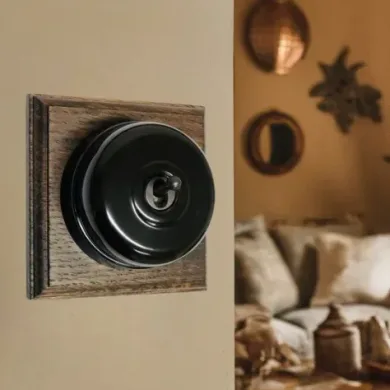
Did you catch our latest article? We've explored how the light switch has evolved over the years, from candlelight to the very first electric light,... Continue reading

When it comes to designing a home, most people think about the big elements first - flooring, paint colours, cabinets, maybe even statement lighting. But... Continue reading
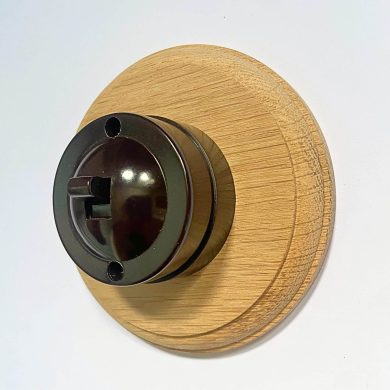
Bakelite switches have long been a favourite in heritage, period and retro-inspired interiors. They bring a timeless elegance, a nod to early 20th-century design and... Continue reading
Following launch our new website, we wanted to take a moment to share our story - one that starts with a quirky idea, a family... Continue reading