

No products in the cart.


When choosing vintage electrical fittings for your heritage home, it’s essential to maintain the delicate balance between historical authenticity and modern safety.
You’ll need to understand the significance of selecting fittings that reflect the original era’s craftsmanship, like Bakelite or porcelain switches.
But how do you guarantee these charming pieces meet today’s safety standards?
By sourcing from reputable suppliers and considering both style and functionality, you can preserve your home’s charm while assuring safety.
Key Takeaways
- Research the home’s construction era to identify appropriate vintage styles and materials for electrical fittings.
- Visit antique shops and architectural salvage yards to find authentic vintage electrical components.
- Ensure vintage fittings are compatible with modern electrical systems for safety and functionality.
- Balance aesthetics and safety by choosing high-quality reproductions or refurbished originals with safety certifications.
- Source from reliable suppliers specialising in historical authenticity and modern safety standards for heritage homes.
Understanding the Importance of Historical Accuracy

When selecting vintage electrical fittings, understanding the importance of historical accuracy cannot be overstated. You are not just choosing a fixture; you are preserving the historical significance of your heritage home. By matching fittings with the era’s style, you maintain the integrity of the original architecture. Consider the preservation techniques used in conservation; they emphasise the need for authenticity in every detail. This means respecting the craftsmanship and materials typical of the period. Historical accuracy is not just about aesthetics; it is about cultural preservation. Your choices should reflect a commitment to the home’s story, echoing the past while ensuring safety and functionality. As you select fittings, think of the broader narrative they contribute to, ensuring each piece enhances the historical tapestry of your home.
Identifying Authentic Vintage Styles and Materials
Appreciating the historical accuracy of your home naturally leads to identifying authentic vintage styles and materials. Start by researching the era when your home was built. Understanding the prevalent vintage design of that time helps you make informed choices. Look for period materials like Bakelite, a popular plastic in early 20th-century electrical fittings, or porcelain, often used in insulators and switches. Brass and copper were also common for their durability and aesthetic appeal. Examine original fixtures, if available, to see details like knob-and-tube wiring or push-button switches. Visit antique shops or architectural salvage yards to find authentic pieces. By focusing on authentic vintage designs and period materials, you guarantee that your home remains true to its historical roots.
Evaluating Functionality and Compatibility With Modern Systems

When embracing vintage charm in your electrical fittings, it’s crucial to evaluate their functionality and compatibility with modern systems. Begin by examining the original wiring and components. Many older fittings weren’t designed for today’s electrical demands or energy efficiency standards. You’ll want to verify your vintage choices accommodate modern upgrades without compromising safety or efficiency. Look for fittings adaptable to new wiring and capable of housing energy-efficient bulbs. Consider if the fitting’s material and design can handle modern electrical loads. Retrofitting might be necessary, blending old-world elegance with contemporary reliability. Balance aesthetics with practicality, and always prioritise safety. Remember, preserving a heritage home means melding the beauty of the past with the convenience and efficiency of the present.
Sourcing Reliable Suppliers for Vintage Electrical Fittings
Where can you find reliable suppliers for vintage electrical fittings that honour both style and safety? Start by finding trusted retailers who specialise in historical authenticity. Their knowledge of period-specific details guarantees you’re not sacrificing design integrity. Here’s how you can begin:
- Local Antique Shops: Visit these to uncover unique fittings and consult with knowledgeable owners about their origins and safety.
- Online Marketplaces: Explore platforms like Etsy and eBay, where sellers often list rare finds. Check reviews and ratings to verify credibility.
- Specialised Restoration Suppliers: Seek out businesses that cater specifically to heritage homes. They offer fittings that blend historical character with modern standards.
Balancing these sources will help you preserve your home’s heritage while guaranteeing electrical safety.
Balancing Aesthetics and Safety in Heritage Homes

When restoring a heritage home, you’re tasked with a delicate balancing act between aesthetics and safety. Preserving character while enhancing ambience requires thoughtful choices. Vintage electrical fittings can imbue your home with period charm, but ensuring modern safety standards is essential. You can achieve this by selecting high-quality reproductions or refurbished originals.
Here’s how to balance these elements effectively:
| Element | Aesthetic Feature | Safety Consideration |
|---|---|---|
| Light Switches | Bakelite or porcelain finish | BS-listed for safety |
| Wiring | Cloth-covered wires | Modern insulation |
| Fixtures | Antique brass chandeliers | Earthed and rewired |
Frequently Asked Questions
How Can I Restore Old Electrical Fittings to Their Original Condition?
Restoring old electrical fittings to their original condition requires careful attention. Start by researching restoration techniques, focusing on historically accurate methods. Clean components gently, avoiding harsh chemicals. Inspect for damage and replace any compromised parts while preserving original materials when possible. Prioritise safety precautions: ensure the power is off and consult a professional if needed, especially when rewiring. Remember, maintaining historical authenticity and guaranteeing safety are both key in this process.
What Are the Common Challenges in Installing Vintage Electrical Fittings?
When you install vintage electrical fittings, you’ll face wiring compatibility issues due to differences in standards between modern and historic systems. Safety concerns are paramount since older fittings might not meet today’s codes. You need to guarantee the existing wiring can handle the load and inspect for any fraying or damage. Additionally, finding suitable replacements or restoration parts can be tricky, requiring a mix of creativity and historical research.
Are There Any Legal Restrictions on Using Vintage Electrical Fittings?
You’re probably wondering if there are legal restrictions on using vintage electrical fittings. Yes, there are. It’s vital to follow legal guidelines and meet safety standards. These regulations guarantee that the fittings aren’t just historically accurate but also safe for modern use. Compliance with local building codes and electrical safety laws is essential to avoid potential hazards. Always consult with a professional familiar with both electrical systems and historical contexts.
How Do I Maintain Vintage Electrical Fittings Once Installed?
To maintain vintage electrical fittings, you’ll need to apply specific cleaning techniques and preservation tips. Regularly dust fixtures with a soft cloth to prevent build-up. For metal parts, use a gentle cleaner to avoid tarnishing. Ensure wiring remains intact; consider professional inspections periodically. Avoid harsh chemicals, as they can damage finishes. By preserving them carefully, you’ll maintain their historical integrity while ensuring they remain functional and safe in your home.
Can Vintage Electrical Fittings Be Customized to Match Specific Decor Themes?
Yes, you can customise vintage electrical fittings to match specific decor themes. Choose custom colour options and matching materials to guarantee cohesion with your design vision. Explore historically-informed choices, selecting finishes and metals that reflect the era you’re emulating. Consider patina options for an authentic look while ensuring the fittings maintain their vintage charm. This allows you to blend historical accuracy with contemporary design needs seamlessly, creating a truly bespoke atmosphere.


Related posts
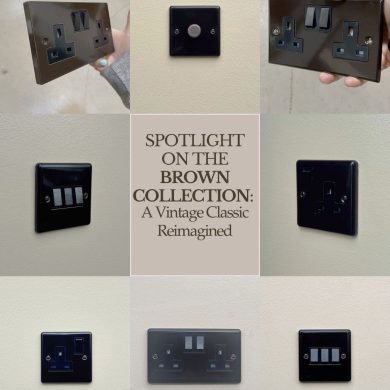
For anyone renovating a period property, the smallest details often carry the greatest weight. Original fixtures (especially electrical hardware) help preserve the character and authenticity... Continue reading
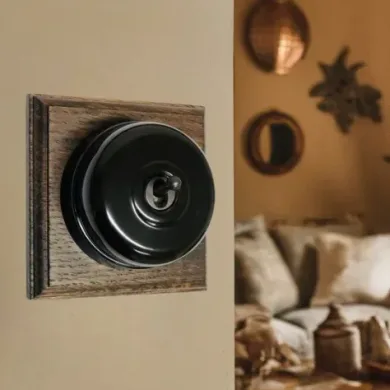
Did you catch our latest article? We've explored how the light switch has evolved over the years, from candlelight to the very first electric light,... Continue reading
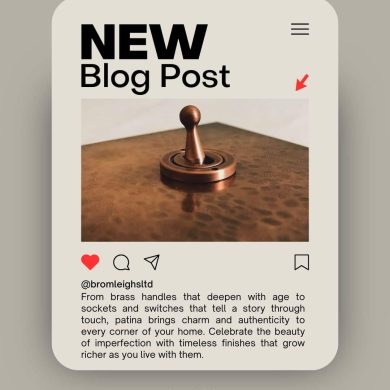
When it comes to designing a home, most people think about the big elements first - flooring, paint colours, cabinets, maybe even statement lighting. But... Continue reading
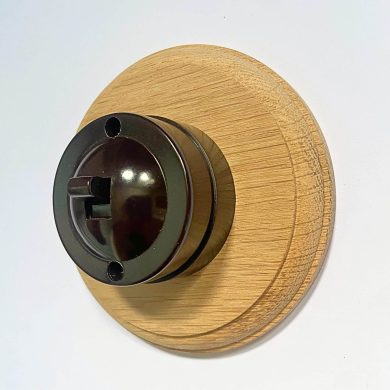
Bakelite switches have long been a favourite in heritage, period and retro-inspired interiors. They bring a timeless elegance, a nod to early 20th-century design and... Continue reading
Following launch our new website, we wanted to take a moment to share our story - one that starts with a quirky idea, a family... Continue reading
